
Last Updated: May 2026 | Author: Zee
If you have ever searched for “quick ways to make extra money,” you have almost certainly stumbled across advertisements for plasma donation. For college students facing mounting tuition bills and individuals looking to offset the rising cost of groceries, sitting in a clinical chair for a few hours a week has become one of the most popular side hustles in the United States.
However, unlike standard charitable acts covered in our importance of blood donation guidelines, the plasma industry operates as a massive, multi-billion-dollar commercial enterprise. Pharmaceutical companies desperately need the proteins in your plasma to manufacture life-saving medications, and they are willing to pay handsomely for your time.
In this 2026 guide, we will cut through the marketing jargon and answer exactly how much do you get for donating plasma, which centers offer the best payouts, the physical toll it takes on your body, and the strict Islamic bioethics regarding the commercialization of human fluids. (To understand how compensated plasma compares to purely altruistic medical giving, review our overarching master guide on medical and health donations.)
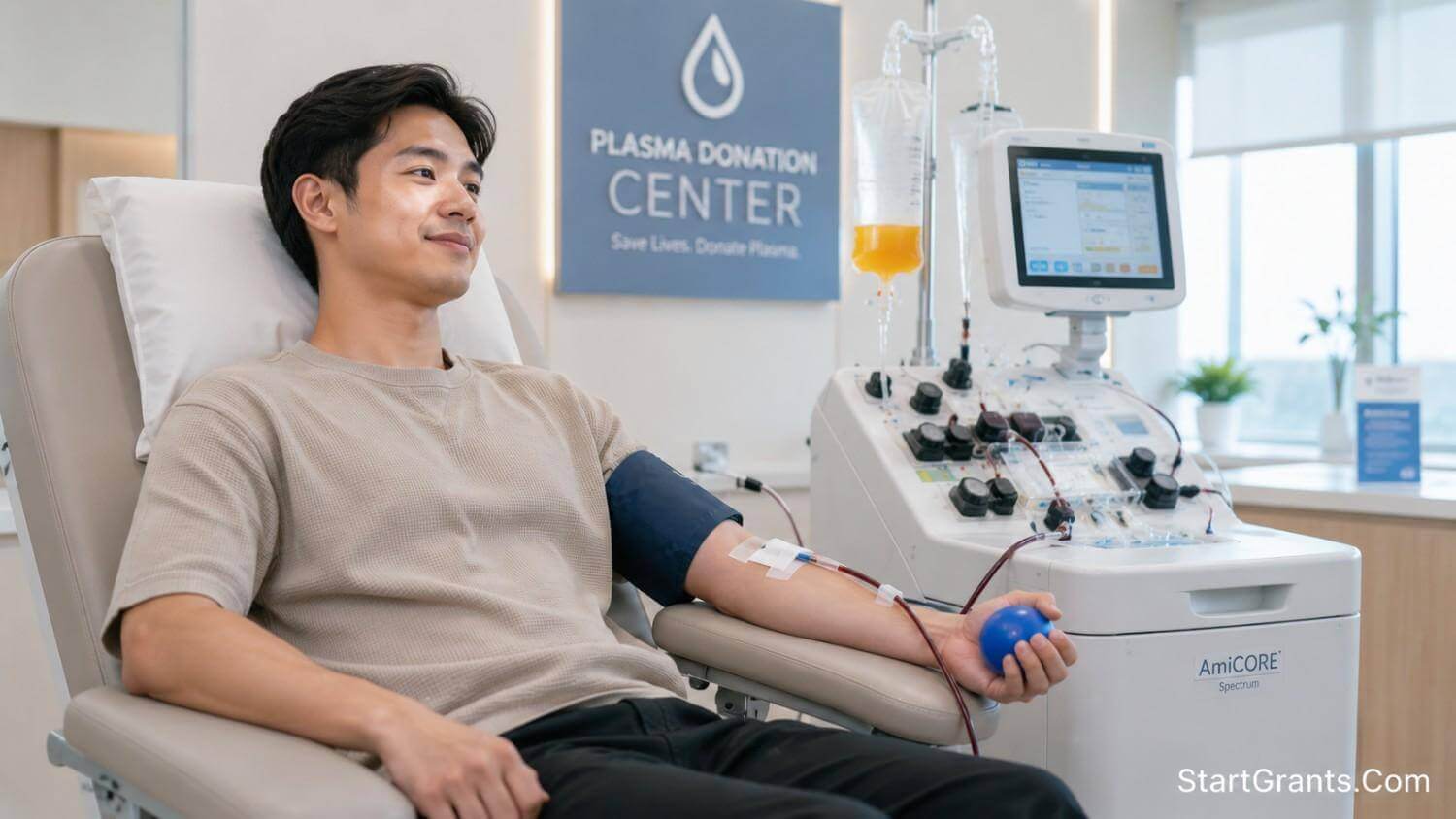
Donating plasma takes significantly longer than standard blood donation because the apheresis machine must return your red blood cells back into your body.
Phase 1: The 2026 Pay Scale (How Much Can You Actually Make?)
Unlike medical compensation models that offer tens of thousands of dollars for highly invasive procedures (which we detail in our guide exploring how much do you get for donating eggs), plasma donation offers smaller, recurring payments. You are legally allowed to donate plasma up to twice a week, with at least 48 hours between donations.
Your compensation is loaded onto a prepaid debit card immediately after your session concludes. The pay structure is divided into two distinct tiers:
1. The “New Donor” Bonus (The Honey Moon Phase)
To incentivize you to walk through the door, commercial plasma centers offer massive sign-on bonuses for your first month. In 2026, a new donor can expect to make between $600 and $900 in their first 30 days. Typically, centers will pay you $100 or more per donation for your first 5 to 8 sessions to ensure you build a habit of coming in.
2. The “Return Donor” Base Pay
Once your new donor bonus expires, you drop down to the standard base pay. Compensation is strictly based on your body weight (heavier donors can safely give more plasma, so they get paid more). For returning donors, the average pay is $40 to $70 per donation. If you donate twice a week consistently, you can expect to make a steady $350 to $500 a month.
Phase 2: Top Plasma Centers in the US (2026)
Not all plasma centers pay the same rates, and promotions fluctuate wildly depending on local supply and demand. To ensure you are walking into a legitimate, FDA-regulated facility, target the “Big Three” commercial operators that dominate the market:
- CSL Plasma: One of the largest networks in the world. They are famous for their aggressive “New Donor” bonuses and their iGive rewards program, which allows you to earn points for fast passes and extra cash.
- BioLife Plasma Services: Known for having some of the cleanest, most modern facilities and highly trained phlebotomists. They frequently run “Lapsed Donor” promotions, offering high bonuses if you return after taking a few months off.
- Octapharma Plasma: A massive global player that often competes directly with CSL on price in urban markets. They frequently offer tiered bonuses (e.g., your second donation of the week pays significantly more than your first).
Pro-Tip: Maximizing Your Payout
Before you commit to a center, you must understand how their specific compensation tiers work so you don’t miss out on hundreds of dollars. Watch this candid breakdown from a seasoned donor on what to expect during your first visit and how to maximize your monthly earnings:
Phase 3: The Medical Reality & Requirements
Donating plasma is much more taxing on your body than a standard whole-blood donation. The process, known as apheresis, draws your blood, spins it in a centrifuge to separate the golden plasma fluid, and pumps your red blood cells and platelets back into your arm along with saline. The entire appointment takes 90 minutes to two hours.
Strict Eligibility Requirements:
- Weight and Age: You must be at least 18 years old and weigh a minimum of 110 pounds.
- The Hydration Mandate: Plasma is 90% water. If you are dehydrated, the machine will struggle to draw your blood, the process will be agonizingly slow, and you may pass out. You must drink massive amounts of water and eat a high-protein meal before your appointment.
- Substance Restrictions: You must pass a strict medical screening. While policies on natural cannabis use mirror standard blood donation rules (which we cover in our guide answering can you donate blood if you smoke weed), intravenous drug use or recent tattoos from unregulated parlors will result in a permanent lifetime ban.
Phase 4: The Muslim Perspective (The Ruling on Selling Plasma)
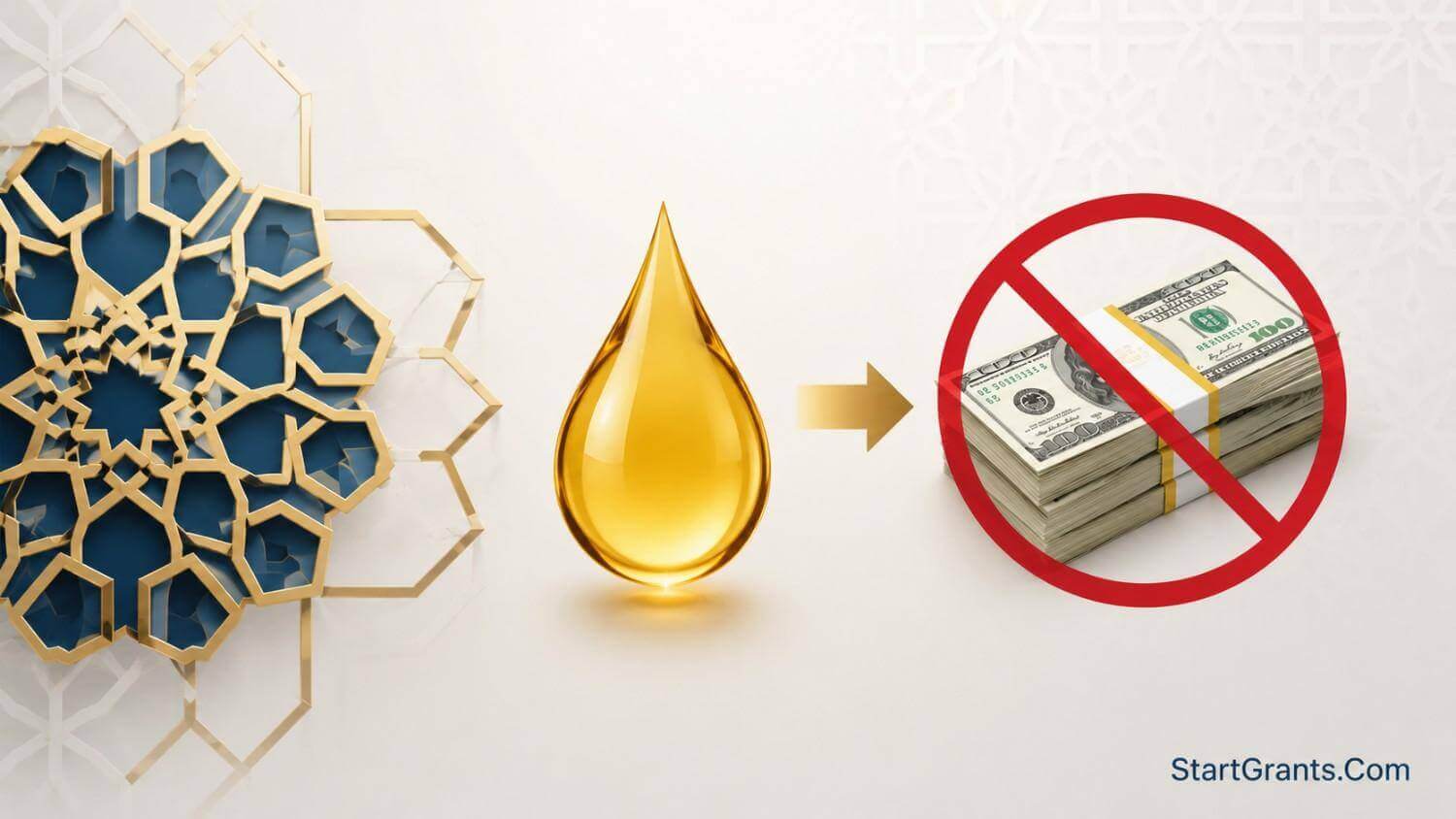
While donating plasma to save a life is a highly rewarded act of charity (Sadaqah), turning the human body into a commercial commodity by selling fluids is strictly prohibited in Islam.
For the Muslim demographic, the explosive popularity of plasma donation as a “side hustle” raises a profound ethical crisis. Can a Muslim sit in a clinical chair twice a week to earn $500 a month?
According to the unanimous consensus of major Islamic Fiqh councils (including the International Islamic Fiqh Academy), selling human blood or plasma is strictly Haram (Forbidden).
The Sanctity of the Human Body
In Islamic jurisprudence, the human body is a sacred trust (Amanah) given by Allah. It is inherently honored and cannot be treated as a commercial commodity to be bought, sold, or traded on an open market. Furthermore, blood and its components are considered Najis (ritually impure) once they leave the body, and Islamic law prohibits profiting from the sale of impure substances.
Donation vs. Selling
The prohibition applies strictly to the commercial transaction, not the medical act itself.
Voluntarily donating your plasma to save a life—without stipulating a price or seeking a financial reward—is an incredibly noble act of Sadaqah (charity) that is highly rewarded in Islam. The sin occurs when the fluid is used as a tool for financial gain.
What if I am desperate for money?
Some contemporary scholars note that if an individual is in extreme, life-threatening poverty and has no other Halal means to feed their family, the principle of Darurah (necessity) may apply to the seller, placing the sin entirely on the buyer. However, using plasma donation casually to “pay for a vacation” or as standard extra income is unequivocally Haram. If a Muslim donates plasma and is forced by the clinic’s policy to accept the prepaid debit card, they are strictly advised to give 100% of that money away to charity and not use it for personal benefit.
Phase 5: The Impact (Where Does the Plasma Go?)
If you choose to donate plasma voluntarily, you are contributing to a vital medical supply chain. Unlike whole blood, which is usually transfused directly into trauma patients, commercial plasma is fractionated into highly specialized pharmaceutical products.
The proteins extracted from your plasma are used to create therapies for individuals with severe immune deficiencies, burn victims, and patients suffering from rare genetic bleeding disorders like hemophilia. Furthermore, plasma-derived immunoglobulins are critical in the oncology sector, supporting the weakened immune systems of patients undergoing harsh chemotherapy. The fluid you provide acts as an invisible shield for these fighters, serving as a powerful, biological complement to the financial networks that funnel donations to cancer survivors.
Conclusion: A Commercial Lifeline
Understanding how much you get for donating plasma requires looking past the aggressive marketing of the “New Donor” bonuses. While you can realistically make around $400 to $500 a month as a consistent donor, it requires a massive commitment of time, intense hydration, and physical resilience.
For secular donors, it is a highly reliable way to generate supplemental income while contributing to the creation of life-saving medicines. For Muslim donors, the commercial nature of the industry demands strict ethical boundaries; the body is a sacred trust, and the fluid that sustains life should be given freely as charity, never sold as a commodity.
Frequently Asked Questions (FAQs)
Q1: Does donating plasma hurt more than donating blood?
A: The initial needle prick feels exactly the same as a blood donation. However, because the apheresis machine pumps your red blood cells back into your arm along with room-temperature saline, many donors report feeling a strange, cold sensation or slight cramping, which makes the 90-minute process more uncomfortable than a rapid 10-minute whole blood donation.
Q2: Can I donate plasma if I recently got a tattoo?
A: It depends on where you live. In states that strictly regulate and license tattoo parlors, the deferral period is usually only 3 months. If you received a tattoo in an unregulated state, in prison, or from an unlicensed artist, you will be deferred for at least 12 months, and potentially permanently, due to the high risk of Hepatitis.
Q3: Why do plasma centers pay you, but the Red Cross does not?
A: The American Red Cross collects whole blood intended for direct human transfusion; federal law prohibits paying donors for transfusable blood to ensure desperate individuals do not lie on health screenings for cash. Commercial plasma centers, however, use your plasma to manufacture pharmaceutical drugs. Because the plasma undergoes intense viral inactivation processes (like heat treatment), the FDA allows these commercial companies to compensate you for your time.
Q4: Will donating plasma twice a week damage my veins?
A: Yes, long-term, high-frequency donation will cause physical changes. Having a large-gauge needle inserted into the exact same vein twice a week for months or years will eventually cause scar tissue to build up, leading to a permanent, visible mark commonly referred to as a “donor scar” or “track mark.”
Q5: Is it Halal to accept the plasma money if I immediately give it to charity?
A: Yes. According to Islamic scholars, if you are donating plasma purely with the intention of saving lives (Sadaqah), but the commercial clinic forces you to accept the compensation card as part of their corporate policy, you can accept it and immediately disburse 100% of those funds to the poor. You cannot use the money for your own personal expenses, as profiting from the sale of human bodily fluids is Haram.
Important Disclaimer: StartGrants.com is an independent information portal. We are not a medical facility or a commercial plasma operator. Pay rates, promotions, and eligibility guidelines fluctuate constantly. Always verify current compensation tiers and medical requirements directly with the plasma center in your local area.