
Last Updated: May 2026 | Author: Zee
Philanthropy does not always require you to open your wallet. In fact, one of the most powerful ways to support military heroes might be sitting in the back of your closet right now. Every year, Americans throw away millions of tons of usable clothing and household goods. By redirecting these items to the right organization, you can turn your clutter into massive financial support for veterans.
When executing a logistics-based donation, it is crucial to understand how physical goods fit into the broader charitable ecosystem. Before you start packing boxes, review our comprehensive guide to donations and fundraising to understand the mechanics of giving. Once you are ready, you can use this specific guide—a vital part of our veteran and military support donations sub-pillar—to execute a flawless physical donation.
In 2026, a Vietnam Veterans of America (VVA) donation is the gold standard for household charity. This guide will break down exactly how your old clothes are converted into advocacy funding, provide a strict checklist of acceptable items, and show you how to schedule a free, curbside pick-up.
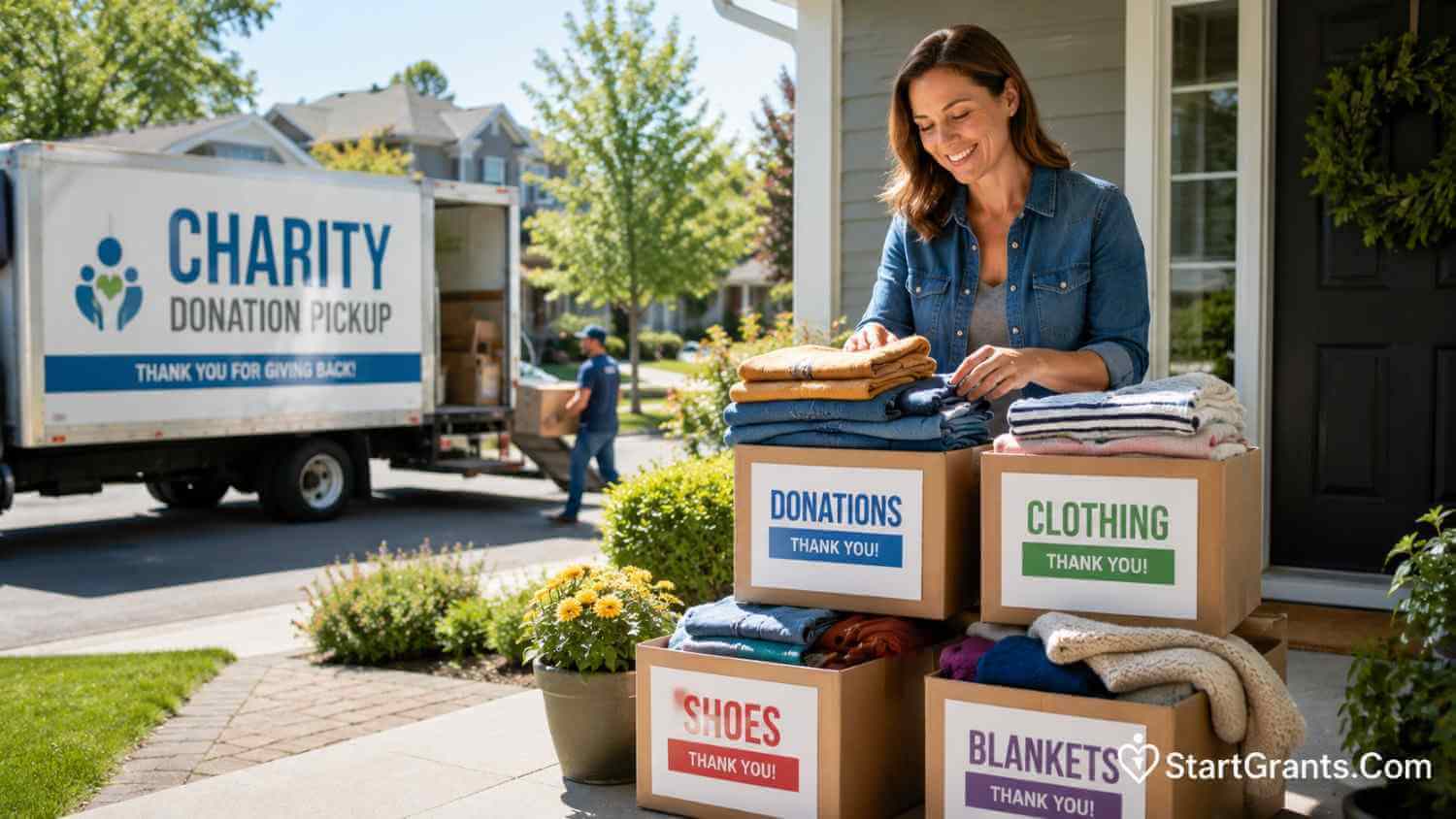
Scheduling a Vietnam Veterans of America donation is the easiest way to declutter your home while funding critical advocacy programs for heroes.
Phase 1: The VVA Mission (Beyond Vietnam)
Despite the name, the Vietnam Veterans of America does not exclusively serve veterans of the Vietnam War. Their foundational motto is: “Never again will one generation of veterans abandon another.” Today, the VVA is a congressionally chartered, 501(c)(19) organization that fiercely advocates for veterans of all generations, including those returning from Iraq and Afghanistan.
The VVA focuses heavily on legislative advocacy. They lobby Congress for better VA healthcare funding, fight for the rights of veterans exposed to toxic substances (like Agent Orange and burn pits), and provide free professional assistance to veterans navigating the complex VA claims process.
Phase 2: The Thrift Store Engine (How Clothes Become Cash)
You might be wondering: “How does my old blender help a veteran get healthcare?” The answer lies in bulk logistics.
The VVA does not give your donated clothes directly to veterans to wear. Instead, the VVA operates a massive collection network. They gather your donated household items and sell them in bulk to private thrift store operators across the country. The revenue generated from these massive bulk sales goes directly into the VVA’s national treasury to fund their advocacy programs and local community initiatives.
Phase 3: What Can You Donate? (The 2026 Checklist)
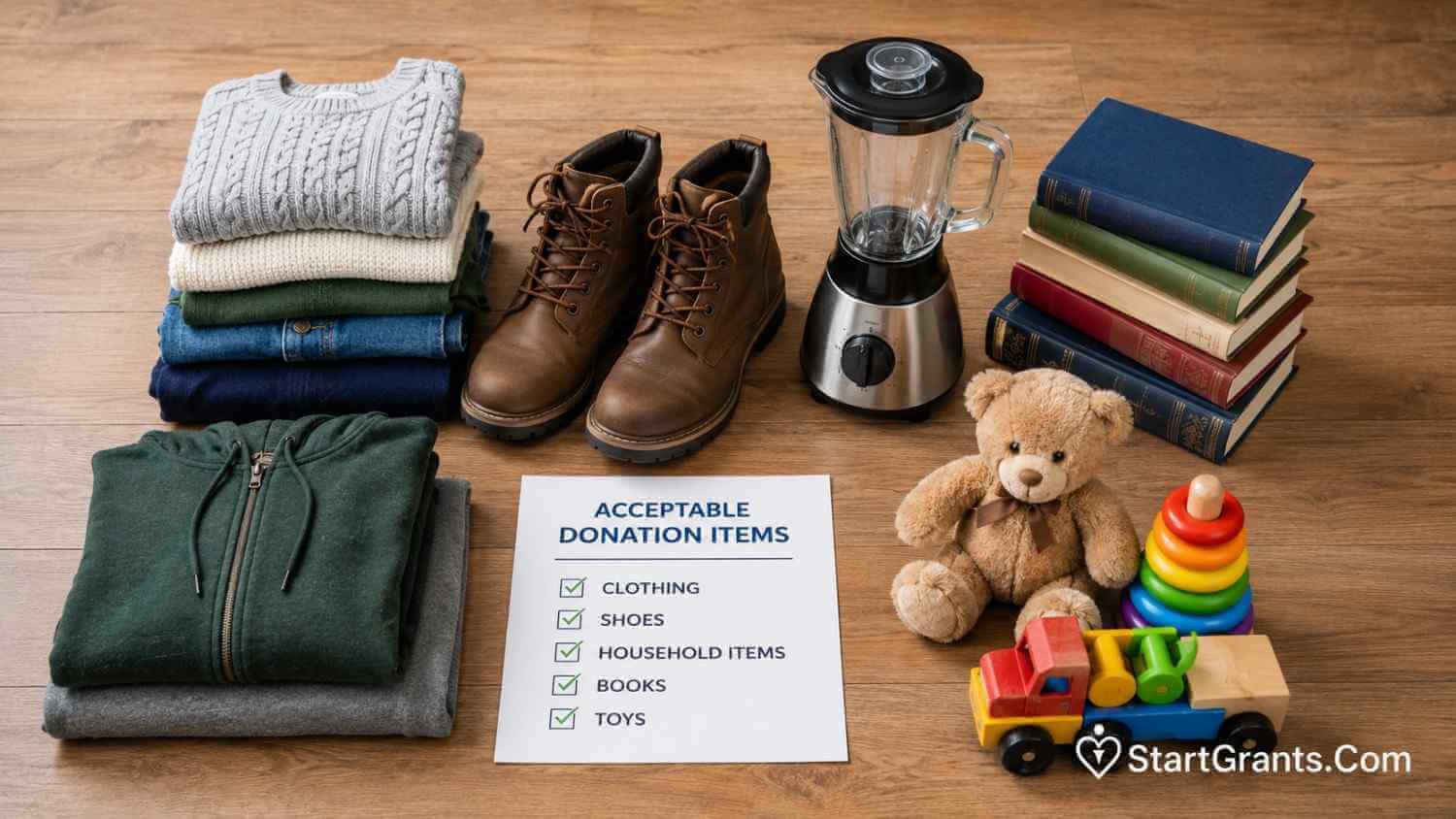
The VVA accepts a wide variety of household goods, provided they are small and light enough for one driver to carry safely.
While the VVA accepts a vast array of items, they are strictly limited by what a single truck driver can safely lift and load into a box truck.
The “Yes” List (Highly Requested Items):
- Clothing and Shoes: All types of men’s, women’s, and children’s clothing, shoes, accessories, and bags.
- Small Household Appliances: Blenders, toasters, coffee makers, and microwaves (must be small and light).
- Electronics: Flat-screen TVs, stereos, computers, and gaming consoles.
- Books and Media: Hardcover/paperback books, records, CDs, and DVDs.
- Toys and Baby Gear: Stuffed animals, board games, and clean baby clothes.
The “No” List (Do Not Donate):
- Large Furniture: Couches, dining tables, dressers, and large recliners. (The driver is alone and cannot lift these).
- Mattresses and Box Springs: Strictly prohibited due to sanitation and bedbug laws.
- Old CRT Televisions: Heavy, tube-style TVs and computer monitors are not accepted due to hazardous waste disposal regulations.
- Major Appliances: Refrigerators, washing machines, and stoves.
Phase 4: How to Schedule a Pick-Up (The “Pick Up Please” Network)
The days of driving heavy trash bags to a local drop-off bin are over. In many states, the VVA utilizes a logistical partner called Pick Up Please to handle their operations.
The 3-Step Curbside Process:
- Schedule Online: Visit the official Pick Up Please or VVA donation website, enter your zip code, and select an available date on the calendar.
- Pack and Label: Place your acceptable items in sturdy boxes or strong plastic bags. You must clearly label at least one box with “VVA” so the driver knows which items to take.
- Leave it Outside: On the morning of your scheduled pick-up, leave the items outside your front door or on your porch. You do not even need to be home. The driver will collect the items and leave a blank tax receipt on your door.
Pro-Tip: The Curbside Pickup Process
The process of donating physical items used to be a hassle, requiring you to haul heavy boxes to a donation center. Now, it’s all done from the comfort of your own home. Watch this short video to see how easy it is to schedule a Pick Up Please truck to collect your items for free:
Phase 5: Claiming Your Tax Deduction
Because the VVA is a recognized 501(c)(19) veterans’ organization, your physical donation is tax-deductible. However, the IRS places the burden of valuation entirely on you.
The driver will leave a receipt, but it will be blank. It is your responsibility to itemize the goods you donated and estimate their “Fair Market Value” (the price a buyer would reasonably pay for the item in a thrift store, not the price you paid when it was new). We highly recommend taking a quick photo of your boxes before the driver arrives to serve as documentation for your tax records.
If you find that you do not have physical goods to donate but still want to support the military community financially—specifically targeting post-9/11 veterans seeking PTSD rehabilitation—read our deep dive into Wounded Warrior Project donations.
Conclusion: The Easiest Way to Give
A Vietnam Veterans of America donation is the ultimate win-win scenario. You get to clear out your garage, organize your closets, and enjoy a tax deduction, all without ever leaving your house. Meanwhile, the VVA transforms your unwanted clutter into vital funding, ensuring that veterans of all generations receive the legislative representation and health benefits they have earned.
Frequently Asked Questions (FAQs)
Q1: Do I have to be home for the VVA to pick up my donation?
A: No. You do not need to be home. As long as your boxes or bags are clearly labeled “VVA” and placed outside your front door or in a highly visible location near your driveway, the driver will collect them and leave a tax receipt on your door.
Q2: Does the VVA accept large furniture like couches or mattresses?
A: No. Because the VVA uses single drivers for their routes, they cannot safely lift large, heavy furniture like couches or dining tables. Furthermore, mattresses and box springs are strictly prohibited due to sanitation and disposal laws.
Q3: How does donating clothes help veterans?
A: The VVA collects donated clothing and household items and sells them in bulk to private thrift store companies. The funds generated from these bulk sales are used directly to finance the VVA’s national advocacy programs and local community veteran support initiatives.
Q4: Are VVA donations tax-deductible?
A: Yes. The Vietnam Veterans of America is a congressionally chartered 501(c)(19) organization, making your donations tax-deductible. The driver will leave a blank receipt, and it is your responsibility to list the items and estimate their fair market value for the IRS.
Q5: Can I donate a car to the Vietnam Veterans of America?
A: Yes! The VVA operates a highly successful vehicle donation program. They accept cars, trucks, motorcycles, and RVs, regardless of whether the vehicle is currently running. They will arrange for a free tow and provide you with the necessary tax documentation once the vehicle is sold.
Important Disclaimer: StartGrants.com is an independent information portal. We are not a government agency, military organization, or charity. Pick-up availability varies by state and zip code. Always verify the current accepted items list with the providing organization before scheduling a pick-up.