Last Updated: June 2026 | Author: Zee
Childhood obesity is no longer just a public health concern; it is a national epidemic that drastically alters the trajectory of a child’s life. The rise of “food deserts” and the aggressive marketing of ultra-processed foods have created an environment where staying healthy is incredibly difficult, especially in low-income communities. Reversing this trend requires systemic change, and systemic change requires massive funding.
Before launching a community health initiative, ensure your organizational funding strategy is fully integrated. Review our Tier 2 master directory on maternity and pediatric financial help to understand the broader ecosystem of pediatric funding.
Schools, 501(c)(3) non-profits, and local municipalities are the frontline defenders in this crisis. Whether you want to build a community garden, overhaul a school cafeteria, or launch an after-school sports league, here is your 2026 tactical guide to securing grants for childhood obesity programs.
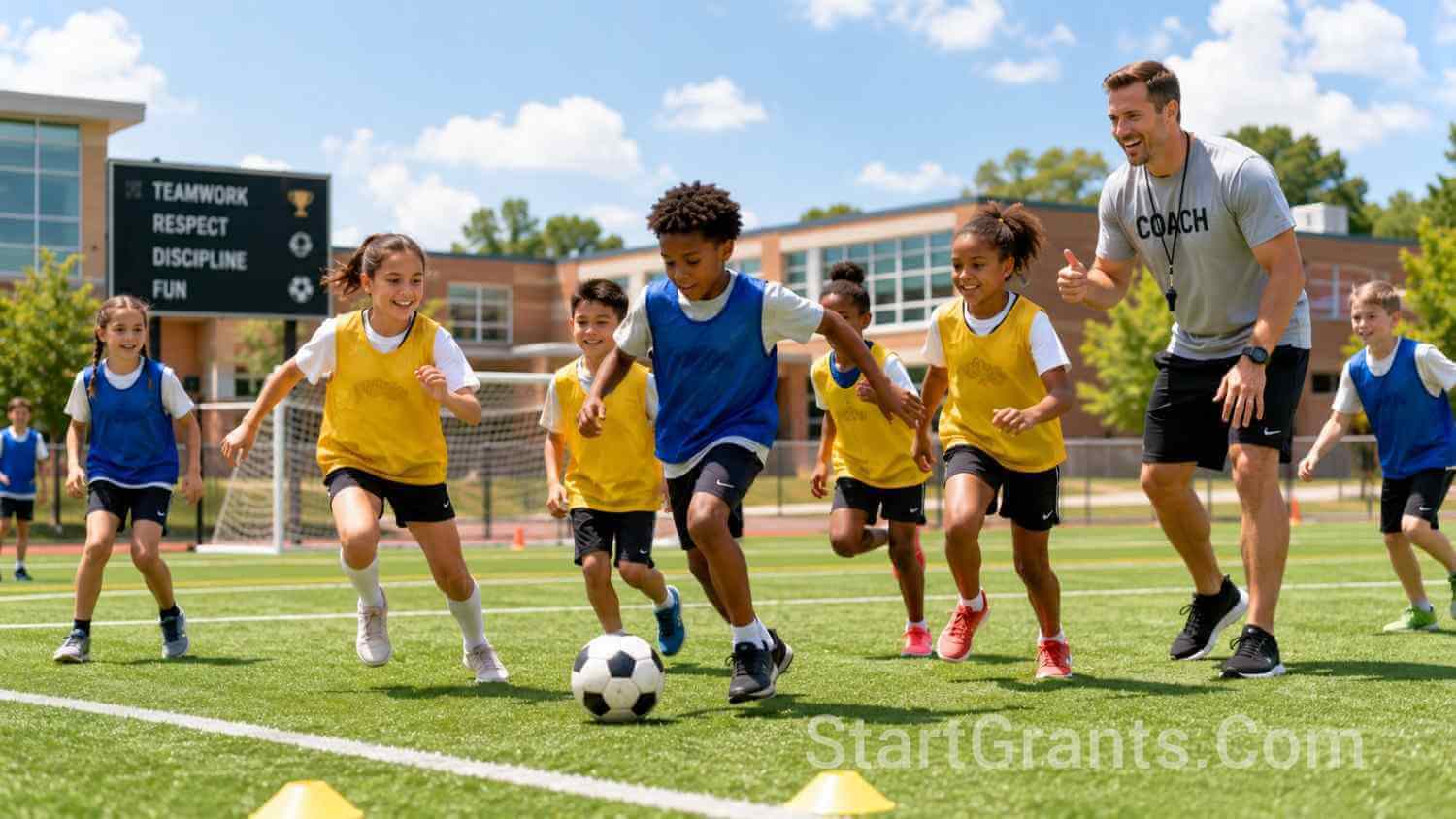
Combating the childhood obesity epidemic requires more than just advice; it requires funded action. Federal grants and private foundations provide massive capital to schools and non-profits to build sports facilities and improve community nutrition.
Phase 1: Federal & Foundation Grant Targets
Funding for pediatric health is abundant, but it is highly competitive. Your organization must target the specific foundations and federal departments that prioritize physical education and nutritional overhauls.
1. Action for Healthy Kids (AFHK) Grants
AFHK is one of the premier organizations offering direct grants to schools. Their funding focuses specifically on “Game On” grants (for physical activity equipment and play spaces) and “School Breakfast” grants (to ensure vulnerable children receive nutritious morning meals instead of sugary, processed snacks).
2. The Carol M. White Physical Education Program (PEP)
Historically administered by the Department of Education, PEP grants (and similar federal block grants under the Every Student Succeeds Act – ESSA) provide massive funding to local educational agencies and community-based organizations. These funds are used to initiate, expand, and improve physical education programs for students from kindergarten through 12th grade.
3. The Robert Wood Johnson Foundation (RWJF)
As the largest philanthropy focused solely on health in the United States, RWJF frequently issues “Call for Proposals” (CFPs) aimed at combating childhood obesity. They heavily fund organizations that work to eliminate food deserts and advocate for policy changes regarding school nutrition.
Horizontal Strategy: Building healthy communities often goes hand-in-hand with creating safe environments. If your organization is also developing programs to protect youth from domestic trauma, cross-reference our guide on securing child abuse prevention grants.
Pro-Tip: Starting Your Grant Application
Before you can submit a proposal to overhaul your school’s nutrition program, you must complete the required administrative registration. Watch this quick 1-minute walkthrough explaining exactly how to set up a new account for Healthy Meals Incentives grants so your school or organization can officially begin the funding process:
Phase 2: The Muslim Perspective (Thayyib, Gharar & Riba)
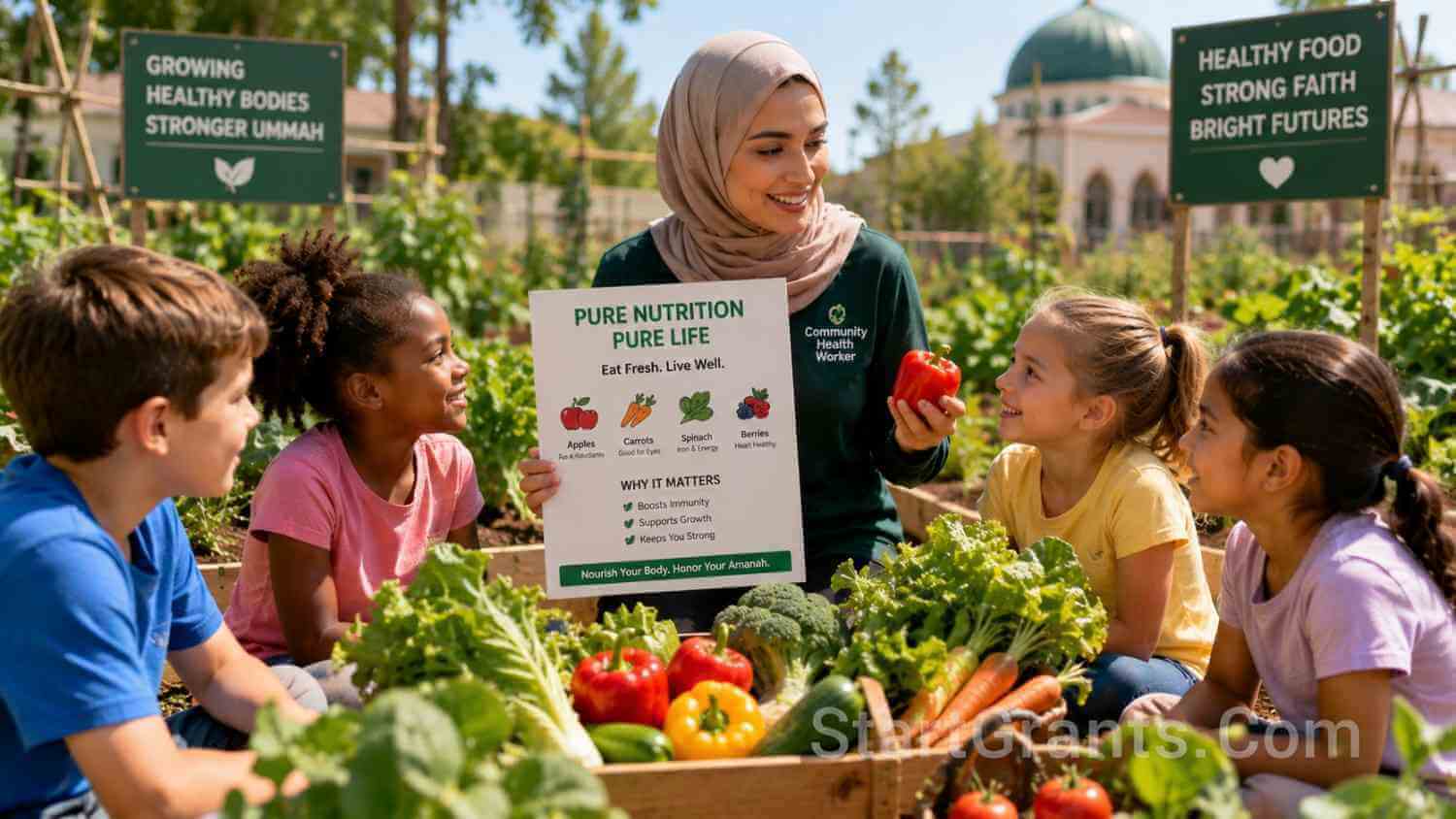
Eating Halal is only half the commandment; food must also be Thayyib (wholesome). Funding community health initiatives helps protect children from ultra-processed foods and saves families from the Riba-laden medical debt of treating chronic diseases.
For the Muslim community, maintaining physical health is a religious obligation. The human body is an Amanah (a sacred trust) from Allah. However, the modern American food and medical systems present significant Fiqh (jurisprudential) challenges when dealing with childhood obesity.
1. The Forgotten Commandment of “Thayyib”
Many Muslim families rigorously check ingredients to ensure a product is Halal (free from pork or alcohol). However, Islam strictly pairs Halal with Thayyib (pure, wholesome, and beneficial). An ultra-processed, sugar-loaded snack may technically be Halal, but it is not Thayyib. Feeding children food that actively causes metabolic disease violates the principle of protecting the body. Islamic community centers must seek grants to build community gardens and sports programs to restore the concept of Thayyib nutrition.
2. The Medical Gharar of Obesity
Childhood obesity inevitably leads to severe chronic conditions, such as Type 2 diabetes and cardiovascular disease. Treating these conditions plunges a family into the American medical billing system, which is riddled with Gharar (uncertainty). Commercial health insurance often denies coverage for preventative care, dietitians, or specific insulin brands, leaving families with unpredictable, exorbitant out-of-pocket costs.
3. Preventing the Riba Debt Cycle
When insurance fails, families are forced to put chronic pediatric medical bills on credit cards. This introduces Riba (interest/usury) into the household, which is strictly Haram. The most effective way to avoid the sin of medical Riba is absolute prevention.
Islamic organizations and community centers are encouraged to apply for state health grants (which act as Halal Hibah) to fund local sports leagues and nutritional education. For overarching advocacy regarding Muslim community health and preventative care, organizations like the American Muslim Health Professionals (AMHP) work to improve health equity and can be a vital resource for communities looking to establish healthy, Fiqh-compliant environments for their youth.
Conclusion: Investing in Future Generations
Childhood obesity is a systemic failure, but it can be corrected with localized, well-funded action. The financial resources to overhaul school nutrition and build youth sports programs are readily available for organizations willing to do the administrative work.
Schools and non-profits must actively pursue federal ESSA funding and private foundation grants like RWJF to build healthy infrastructure. For the Muslim community, securing these Halal grants to promote Thayyib nutrition is not just a health initiative; it is a spiritual defense mechanism that protects our children’s bodies and shields families from the catastrophic, Riba-driven medical debt of chronic diseases.
Frequently Asked Questions (FAQs)
Q1: Can individual parents apply for childhood obesity grants?
A: No. Almost all major childhood obesity prevention grants are designed for institutions, such as 501(c)(3) non-profit organizations, school districts, municipal parks and recreation departments, or registered religious organizations.
Q2: What can Action for Healthy Kids (AFHK) grant money be used for?
A: AFHK grants are highly specific. Depending on the exact grant you win, the funds must be strictly used for things like purchasing physical education equipment, upgrading school cafeteria appliances to serve fresh food, or funding a school garden.
Q3: Can Islamic centers or Mosques receive federal health grants?
A: Yes. Faith-based organizations are eligible to apply for and receive federal health grants, provided the funds are used strictly for community health initiatives (such as hosting a neighborhood sports camp or nutrition seminar) and not for religious proselytizing.
Q4: How do we prove our grant program is working?
A: Grantors require strict data reporting. If you win a grant to fund an obesity prevention program, you will likely need to track metrics such as the number of children participating, BMI improvements (if medically monitored), or surveys showing an increase in nutritional knowledge among the youth.
Important Disclaimer: StartGrants.com is an informational directory. Grant availability, application cycles, and federal funding guidelines change frequently. We are not affiliated with any specific grant foundation. Always review the exact Request for Proposal (RFP) guidelines on the official foundation or federal website before applying.