
Last Updated: | Author: Munir Ardi
Returning to school while raising children can feel financially impossible. Tuition is only one part of the bill; books, transportation, internet access, childcare, and reduced work hours can matter just as much. The encouraging news is that a student-parent may be able to combine federal grants, state aid, school grants, private scholarships, employer benefits, and childcare support.
There is no federal grant automatically reserved for every single mother. Most federal and state aid is based on financial need, enrollment, program eligibility, immigration status, and other rules. Private organizations may target mothers or primary family earners, but their awards are competitive. For help outside education, begin with legitimate grants and assistance programs for single mothers.

Start With the 2026–27 FAFSA
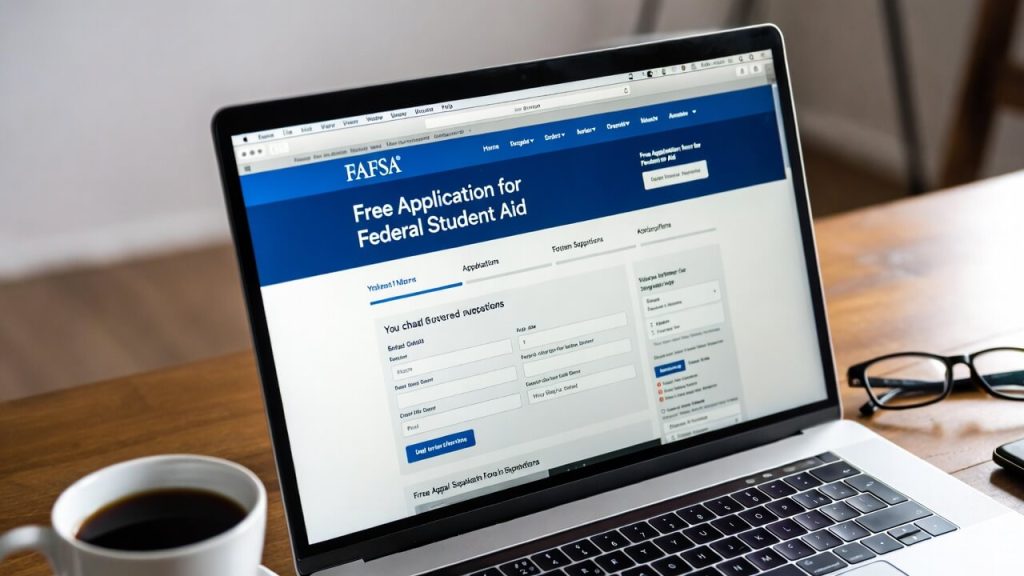
The Free Application for Federal Student Aid (FAFSA) is the application for federal grants, Federal Work-Study, and federal student loans. States, colleges, and some scholarship providers also use FAFSA information, although a state or school may require an additional application.
Important dates
The federal deadline for the 2026–27 FAFSA is 11:59 p.m. Central time on June 30, 2027. Corrections and updates have a later federal deadline, but many state and college deadlines are much earlier and limited funds can be exhausted. Check the official FAFSA deadline page and every school’s financial-aid calendar.
Does being a single mother make you an independent student?
Not automatically. FAFSA dependency status is determined by questions set in federal law. Having a child can qualify a student as independent when the applicable support test is met, but the label “single mother” by itself is not enough. Age, marital status, graduate enrollment, military service, foster-care history, homelessness determinations, and other circumstances may also matter. Use the official FAFSA dependency-status guidance and answer every question accurately.
An independent student normally reports her own information and, if married and not separated, may also need spouse information. A dependent student usually needs parent contributor information. Being listed as a contributor does not make that person responsible for paying the student’s college costs.
Before submitting
- Create a separate StudentAid.gov account for each required contributor.
- Use the student’s legal name and identifiers exactly as shown in official records.
- List every school seriously being considered; the online form can send information to as many as 20 schools at one time.
- Provide the required consent and signatures so the form can be processed.
- After processing, review the FAFSA Submission Summary and correct errors promptly.
Federal Grants Available to Eligible Student-Parents
Federal Pell Grant
The Federal Pell Grant is generally for undergraduate students with exceptional financial need who have not earned a bachelor’s, graduate, or professional degree, with limited exceptions. For the 2026–27 award year, the maximum is $7,395.
The maximum is not automatic for single parents. The school calculates the award using FAFSA information, enrollment intensity, cost of attendance, and the student’s remaining lifetime Pell eligibility. Some eligible students can receive year-round Pell for an additional term, but annual and lifetime limits still apply.
Federal Supplemental Educational Opportunity Grant
The Federal Supplemental Educational Opportunity Grant (FSEOG) is campus-based aid for undergraduate students with exceptional financial need. Awards can range from $100 to $4,000 per year, depending on need, other aid, when the student applies, and the school’s remaining allocation. Not every school participates, and eligible applicants are not guaranteed an award.
TEACH Grant: read the service obligation first
A TEACH Grant may help eligible students preparing to teach in a high-need field, but it carries a service obligation. If the recipient does not complete the required qualifying service and certification, the grant can be converted to a Direct Unsubsidized Loan that must be repaid with interest. Confirm the current disbursement amount and obligations before accepting it.
How Pell Grant Refunds and Education Expenses Work
The school normally applies aid to authorized institutional charges first. If eligible aid exceeds those charges, the resulting Title IV credit balance is paid to the student under federal timing rules. It should not be described as a guaranteed “free check” of a particular amount.
Federal student aid is intended for authorized education expenses included in the cost of attendance, which can include tuition, fees, books, supplies, transportation, food and housing, and—when applicable—dependent-care expenses. Keep receipts and ask the financial-aid office how the school defines the student budget. Withdrawing, dropping classes, receiving overlapping assistance, or failing to maintain eligibility can cause an aid adjustment or repayment obligation.
Private Scholarships and Education Awards for Mothers
Private awards can fill gaps, but they are competitive and deadlines change. Verify the current cycle on the provider’s own website before preparing an application.
| Program | Verified 2026 details | Current status or next step |
|---|---|---|
| Jeannette Rankin National Scholar Grant | Up to $2,500 annually, paid directly to recipients and potentially renewable. The national program is for qualifying women and nonbinary students age 35 or older with financial need who are pursuing eligible technical, vocational, associate, or first bachelor’s programs. | The 2025–26 cycle is closed. The foundation says the next application period opens in November 2026; recheck dates before applying. |
| Patsy Takemoto Mink Education Support Award | For 2026, the foundation offered five awards of up to $5,000 to qualifying low-income women with minor children enrolled full time in eligible progressive programs. The provider publishes detailed household-income limits. | The 2026–27 cycle closed August 1, 2026. The provider says information for 2027–28 will be posted in May 2027. |
| Soroptimist Live Your Dream Awards | For women who provide the primary financial support for themselves and dependents, demonstrate financial need, and are enrolled in or accepted to vocational training or an undergraduate program. Recipients can potentially receive $1,000–$16,000 through award levels. | Award amounts, judging, and notification dates vary by club and region. Use the official application system. |
Do not rely on an old list of law-firm scholarships or recycled deadlines. Confirm that the sponsor, application portal, privacy policy, and current cycle are real. A legitimate scholarship should not require an application fee, gift cards, or bank-login credentials.
State Grants, School Aid, and Professional Judgment
After submitting the FAFSA, check the state higher-education agency and each school’s aid page. Some states use FAFSA information automatically; others require a separate application. Residency, eligible institution, credit load, academic progress, and deadlines vary.
Compare the net price rather than the advertised grant total. A $10,000 grant at a high-cost school may leave a larger gap than a $4,000 grant at a community college. The Department of Education’s College Scorecard lets families compare typical cost, completion, debt, and earnings information.
Ask for a professional-judgment review when circumstances changed
FAFSA tax information may not reflect a recent divorce, death in the family, job loss, reduction in earnings, or unusually high uncovered medical costs. Submit the FAFSA as instructed, then ask the school for a “special circumstances” or “professional judgment” review. The school can request documentation and decides the adjustment case by case; an adjustment or larger grant is not guaranteed.
For related support during a family transition, see financial assistance after divorce or assistance for widowed mothers.
Childcare Help for Student-Parents

The federal Child Care Access Means Parents in School (CCAMPIS) program makes competitive grants to colleges, not directly to parents. Participating institutions use funding to support campus-based childcare and related services for qualifying low-income student-parents. Federal guidance identifies Pell-eligible low-income parents as the participant population.
Ask the campus financial-aid office, student-parent office, or childcare center whether the school currently has CCAMPIS-supported services, what fees apply, whether there is a waitlist, and which enrollment rules apply. A campus may not participate even if the student is Pell-eligible.
If the campus option is unavailable, explore childcare assistance and daycare subsidies for single mothers. State childcare subsidies have their own work, education, income, provider, and waiting-list rules.
Muslim Perspective: Building a Riba-Conscious Education Plan
Grants and scholarships generally do not create a repayment debt, so they are the clearest place to begin for Muslim students seeking to minimize interest-bearing borrowing. FAFSA itself is only an application: completing it does not obligate a student to accept any loan listed in the school’s financial-aid offer.
Muslim-focused opportunities to verify
- Islamic Scholarship Fund: The ISF scholarship program supports qualifying Muslim students in specific policy, law, media, and film-related fields. Its awards and eligibility are specialized rather than open to every major. The organization’s field-specific pages show the 2026 cycle as closed, so check the official timeline for the next application period.
- A Continuous Charity: A Continuous Charity describes its program as community-funded, interest-free educational loans for Muslim students. This is a loan that must be repaid—not a grant—and the 2026 general application is closed. Confirm eligibility, cosigner requirements, contract terms, state availability, and the next cycle directly with ACC.
- Local zakat and scholarship funds: Mosques and Muslim community foundations may help with tuition, books, emergency living costs, or application fees. Funding and religious eligibility differ, and there is no national guarantee. Ask whether the award is zakat, sadaqah, a scholarship, or a repayable qard before accepting it.
For any financing product, read the complete contract and total repayment terms. Religious conclusions can differ with the facts and agreement, so seek guidance from a qualified scholar or Islamic-finance adviser rather than treating a marketing label as a fatwa. A practical order is: grants and scholarships first, then employer benefits and affordable payment plans, followed by carefully reviewed financing only if a gap remains.
Employer Tuition Benefits Can Reduce the Gap

- Starbucks College Achievement Plan: Starbucks states that benefits-eligible U.S. partners working an average of at least 20 hours per week can receive 100% upfront tuition coverage for a first bachelor’s degree through eligible Arizona State University online programs. Confirm current employment and benefits rules through the official Starbucks education page.
- Walmart Live Better U: Walmart says eligible full- and part-time associates can participate from day one and that eligible programs receive 100% coverage of tuition and required books. The old “$1 a day” description is outdated; Walmart removed that fee. Review eligible programs through the official Live Better U page.
Also ask a current employer about tuition assistance, reimbursement timing, grade requirements, annual caps, approved majors, and any repayment requirement after leaving the job. “100% tuition” does not necessarily cover childcare, transportation, equipment, or every fee.
Choose a School With Verifiable Outcomes
Online study can work well for parents, but flexibility does not make every program a good investment. The old advice to accept only a “regionally accredited” school is too simplistic. Instead, verify that the institution and, when relevant, the specific program have recognized accreditation and are eligible for the type of aid or professional license you need.
- Search the Department of Education’s Database of Accredited Postsecondary Institutions and Programs.
- Check College Scorecard for net price, graduation, debt, and earnings data.
- For nursing, teaching, counseling, law, and other licensed fields, ask the state licensing board whether the exact program qualifies graduates.
- Request a written transfer-credit evaluation before enrolling if you plan to move from community college to a four-year institution.
- Be cautious if a recruiter pressures you to enroll immediately, avoids discussing total cost, or promises a job or license without written support.
Education Tax Credits Are Not Upfront Grants
The IRS education-credit comparison lists two major credits:
- American Opportunity Tax Credit: Up to $2,500 per eligible student, generally for the first four years of eligible postsecondary education. Forty percent of the allowable credit may be refundable, up to $1,000.
- Lifetime Learning Credit: Up to $2,000 per tax return and nonrefundable. It can apply to undergraduate, graduate, professional, or qualifying job-skill courses.
A tax credit is claimed on an eligible tax return after qualified expenses are paid; it is not money delivered by the financial-aid office at enrollment. The same expenses cannot be used improperly for multiple tax benefits, and scholarships can affect which expenses remain eligible. Use IRS Form 8863 guidance or consult a qualified tax professional.
Frequently Asked Questions
Do single mothers automatically receive more federal student aid?
No. Federal aid is not increased simply because an applicant uses the label single mother. FAFSA information, dependency status, family size, tax filing status, financial need, enrollment, cost of attendance, and program eligibility determine the result.
What is the maximum Pell Grant for 2026–27?
The maximum Federal Pell Grant is $7,395 for the 2026–27 award year. A student’s actual amount depends on eligibility, enrollment intensity, cost of attendance, and remaining lifetime Pell eligibility.
When is the 2026–27 FAFSA deadline?
The federal deadline is 11:59 p.m. Central time on June 30, 2027, but state and school deadlines can be much earlier. Apply as early as practical and complete any separate state or institutional forms.
Does bad credit prevent Pell Grants or most federal student aid?
Most federal student aid, including Pell Grants and Direct Subsidized or Unsubsidized Loans, does not use a conventional credit score. Direct PLUS Loans have an adverse-credit review, and private lenders may use credit underwriting.
Can someone with a defaulted federal student loan receive new federal aid?
A federal loan default can block eligibility for additional federal student aid until the borrower resolves the default through an available method such as rehabilitation or qualifying consolidation. Log in to StudentAid.gov and contact the listed loan holder before enrolling based on expected aid.
Can financial aid help with childcare?
Dependent-care expenses may be included in a school’s cost of attendance, but increasing the student budget does not guarantee additional grant money and may only increase room for loans. A participating school may also offer CCAMPIS-supported childcare, while state childcare subsidies have separate rules.
Can DACA or undocumented students receive federal student aid?
DACA and undocumented status do not provide eligibility for federal student aid. Depending on the state and school, the student may qualify for state, institutional, or private aid through a separate application. Verify current rules with the state higher-education agency and school.
Can a grant or financial-aid credit balance pay for a laptop?
A computer can be an authorized education expense when it is part of the student’s cost of attendance or required for the program. Ask the financial-aid office about the school’s budget and keep documentation; a credit balance is not permission to spend aid without regard to education-expense rules.
A Practical Application Plan
- Complete the FAFSA. Use StudentAid.gov, include all realistic schools, and submit required contributor sections.
- Finish state and school applications. Do not assume FAFSA alone completes every application.
- Ask about campus aid. Request information about FSEOG, institutional grants, emergency aid, work-study, CCAMPIS, and student-parent services.
- Request professional judgment when justified. Submit evidence of divorce, death, job loss, income reduction, or other qualifying special circumstances.
- Apply for targeted private awards. Track eligibility, deadline, recommendation, transcript, and essay requirements in one calendar.
- Compare net prices. Subtract grants and scholarships from the full cost, then include childcare, transportation, books, and lost work hours.
- Stabilize essential expenses. If school creates a short-term cash gap, review cash assistance for single mothers. If housing is already at risk, address it first through rental assistance for single mothers.

These programs are not limited to mothers. Eligible fathers and other caregivers can pursue many of the same FAFSA-based and need-based resources; see assistance programs for single fathers.
Important disclaimer: StartGrants.com is an independent information portal. It is not the U.S. Department of Education, Federal Student Aid, the IRS, a college, a scholarship provider, a financial-aid office, or a religious or tax adviser. StartGrants.com does not award grants or process applications. Program amounts, deadlines, funding, eligibility, tax rules, and application status can change. Verify current details with the official provider before making enrollment or financial decisions.