Last Updated: May 2026 | Author: Robert
Despite centuries of medical advancements, the creation of synthetic organs, and groundbreaking robotic surgeries, human blood remains entirely irreplaceable. It cannot be manufactured in a laboratory, and it cannot be harvested from synthetic materials. When a trauma victim arrives at the emergency room, or a cancer patient requires a platelet transfusion to survive chemotherapy, doctors rely 100% on the voluntary generosity of human donors.
Biological gifts are the purest form of philanthropy. While writing a check to a charity is vital, donating a piece of yourself offers immediate, undeniable clinical intervention. Before you roll up your sleeve, we recommend understanding where biological gifts fit into the wider spectrum of giving by reviewing our core guide on medical and health donations.
This comprehensive guide explores the undeniable importance of blood donation in 2026. We will break down the shocking statistical facts, reveal the hidden health benefits for the donor, outline the current FDA eligibility requirements, and provide expert tips for a seamless donation experience.
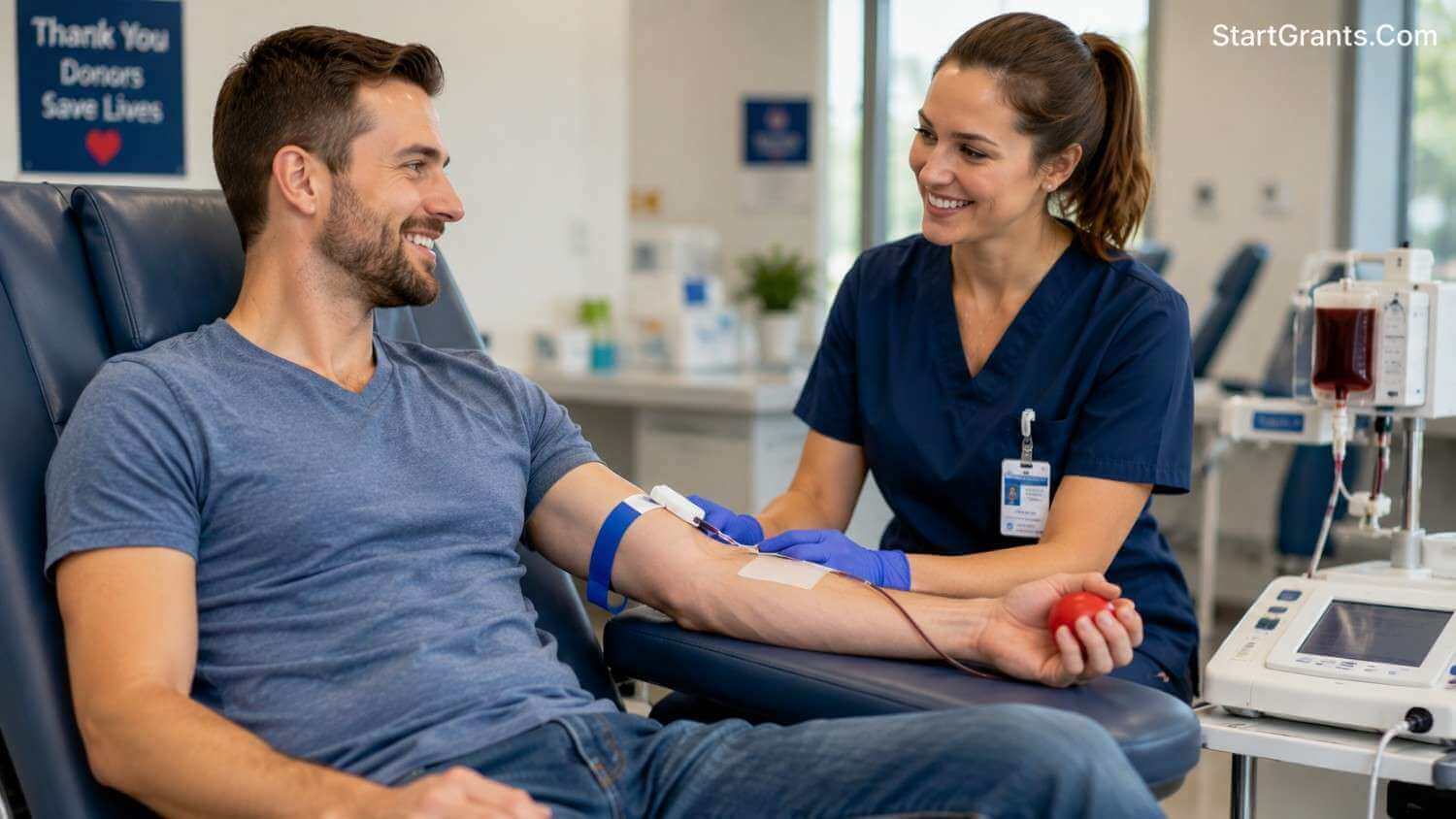
The importance of blood donation cannot be overstated; a single biological donation takes less than an hour but can save up to three lives in a medical emergency.
Phase 1: The Urgent Need and Facts
The logistics of the national blood supply are staggering. Because red blood cells have a shelf life of only 42 days, and platelets expire in just 5 days, the supply must be constantly and aggressively replenished. According to the American Red Cross, the need is perpetual.
Critical Blood Donation Facts:
- The 2-Second Rule: Every two seconds, someone in the United States needs blood or platelets.
- The Multiplier Effect: A single whole blood donation (roughly one pint) can be separated into its clinical components—red cells, plasma, and platelets—meaning one donation can save up to three different lives.
- The Cancer Connection: While we often associate blood drives with car accidents and trauma, a significant percentage of the blood supply goes to patients battling diseases. Children and adults undergoing intense chemotherapy often require massive blood transfusions to survive their treatments.
Pro-Tip: The Journey of Your Blood
Have you ever wondered where your blood goes after you leave the clinic? Understanding the rigorous medical process can give you a deeper appreciation for this biological donation. Watch this short video from the Red Cross to see the extraordinary journey from your arm to a patient in need:
Phase 2: The Hidden Health Benefits for the Donor
Philanthropy is generally a one-way street, but biological donations are unique. Donating blood triggers several physiological responses that directly benefit the donor’s own physical and mental health.
- The Free “Mini-Physical”: Before you are allowed to donate, a medical professional checks your pulse, blood pressure, body temperature, and hemoglobin levels. If you have an underlying issue, such as high blood pressure or anemia, you will often find out during this screening.
- Iron Regulation: Hemochromatosis is a condition where the body stores too much iron, which can increase the risk of heart attacks and liver damage. Regular blood donation helps safely regulate and deplete excess iron stores in the body.
- Psychological Well-being: The mental health benefits of altruism are clinically documented. Knowing that you have directly contributed to saving a life reduces stress, combats depression, and provides a profound sense of civic duty and belonging.
Phase 3: The 2026 Eligibility Requirements
To protect both the donor and the recipient, the U.S. Food and Drug Administration (FDA) heavily regulates blood donation. In recent years, the FDA has updated several outdated policies to become more inclusive while maintaining strict clinical safety.
Basic Requirements for Whole Blood Donation:
- Age and Weight: You must be at least 17 years old in most states (or 16 with written parental consent) and weigh a minimum of 110 pounds (50 kg).
- General Health: You must feel healthy and well on the day of donation. A simple cold or active allergy flare-up will temporarily disqualify you.
- Tattoos and Piercings: Historically, a tattoo meant a 12-month deferral. In 2026, if your tattoo or piercing was performed in a state-regulated, licensed facility using sterile needles and non-reused ink, the deferral period is often waived entirely.
- Travel Restrictions: Traveling to regions with a high risk of malaria or Zika virus may result in a temporary deferral period (usually 3 months to 1 year upon returning).
Phase 4: Expert Tips for a Seamless Donation
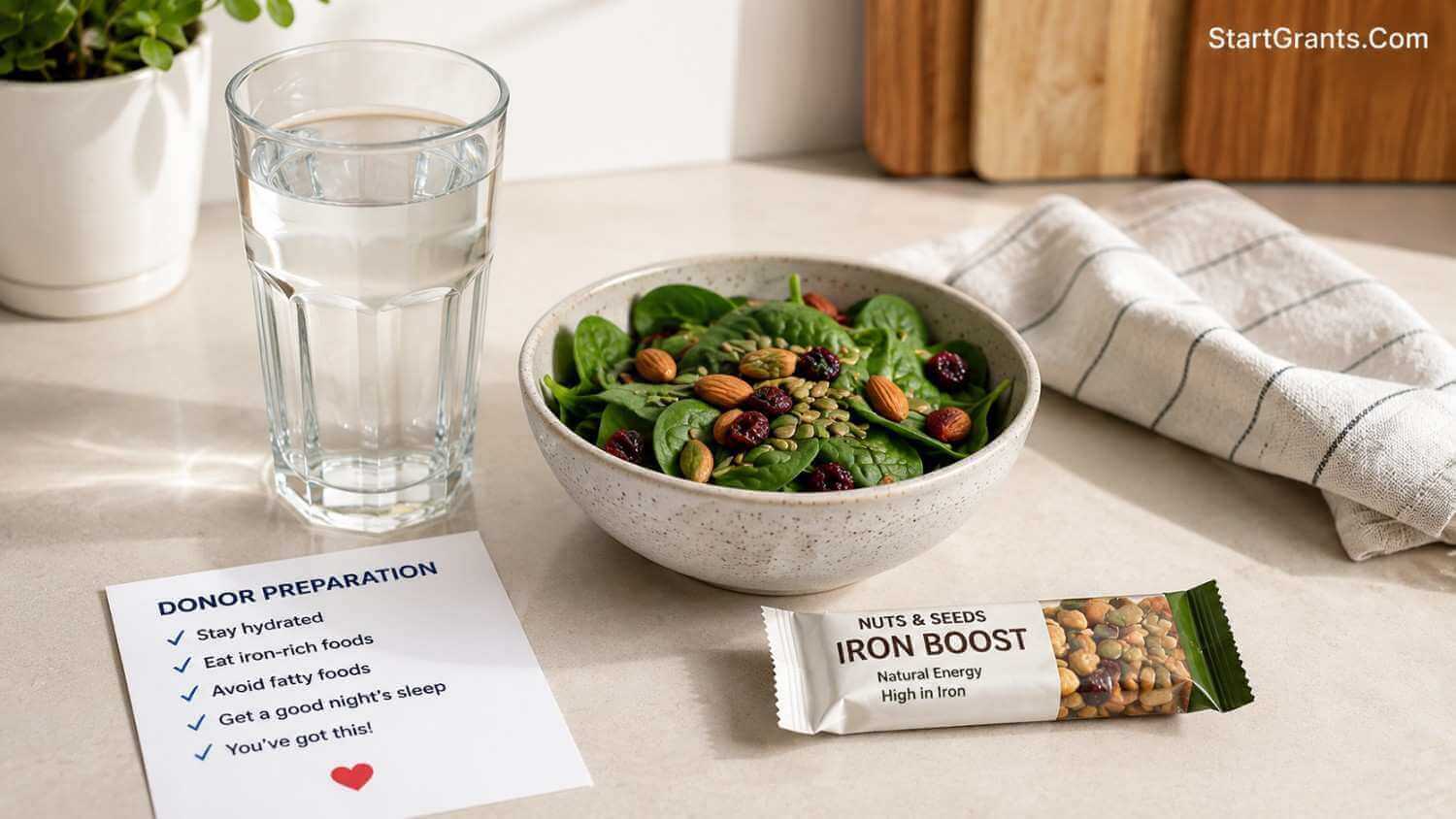
Proper preparation, including heavy hydration and consuming iron-rich foods, ensures a seamless donation process and prevents post-donation dizziness.
Donating blood is extremely safe, but the sudden loss of fluid can make some people feel lightheaded. By treating your body like an athlete preparing for an event, you can ensure a flawless experience.
- Hydrate Aggressively: Your blood volume drops when you donate. Drink an extra 16 ounces (two full glasses) of water before your appointment to keep your veins plump and prevent dizzy spells.
- Eat Iron-Rich Foods: In the weeks leading up to your donation, increase your intake of iron. Spinach, red meat, beans, and iron-fortified cereals ensure your hemoglobin levels are high enough to pass the initial finger-prick test.
- Avoid Fatty Meals: Do not eat a fast-food hamburger right before donating. High levels of fat in your blood can interfere with the mandatory infectious disease testing performed on your blood at the laboratory, rendering your donation unusable.
- Rest Post-Donation: Do not skip the snack table. Drink the provided juice to restore your blood sugar, and avoid heavy lifting or vigorous exercise for the next 24 hours.
Phase 5: Expanding Your Biological Impact
If you discover that you are medically ineligible to donate blood (due to weight, travel, or medication), you do not have to abandon your biological philanthropy. There are other ways your body can save lives.
For lactating mothers, excess breast milk is desperately needed in neonatal intensive care units (NICUs) across the country to protect premature infants from fatal diseases. Discover how to navigate the rigorous, FDA-approved screening process in our complete guide to breast milk donation.
Conclusion: Roll Up Your Sleeve
The importance of blood donation lies in its undeniable, urgent impact. For every pint of blood you give, up to three families get to keep their loved ones. It is a biological gift that costs you nothing but an hour of your time, yet pays the ultimate dividend in human life.
Check your eligibility, hydrate thoroughly, and schedule an appointment with your local blood center today to join the frontline of medical philanthropy.
Frequently Asked Questions (FAQs)
Q1: How long does a whole blood donation take?
A: The entire process—including registration, the mini-physical, the donation itself, and the post-donation snack time—usually takes about one hour. The actual physical blood draw only takes about 8 to 10 minutes.
Q2: How often can I donate whole blood?
A: The FDA requires a waiting period of exactly 56 days (8 weeks) between whole blood donations. This ensures your body has adequate time to safely replenish its red blood cell supply.
Q3: Does donating blood hurt?
A: You will feel a brief, mild pinch when the sterile needle is inserted, similar to a standard vaccination or blood test. During the actual donation, you should not feel any sharp pain, just a slight pressure.
Q4: Can I donate blood if I have high blood pressure?
A: Yes, as long as your blood pressure is under control and below the maximum clinical threshold (usually 180/100) at the time of donation. Taking blood pressure medication generally does not disqualify you from donating.
Q5: Are there age limits for donating blood?
A: The minimum age is typically 17 years old (or 16 with written parental consent, depending on state laws). There is generally no upper age limit for blood donation, provided the donor is in good health and passes the pre-donation medical screening.
Important Disclaimer: StartGrants.com is an independent information portal. We are not a medical facility. The information provided is for educational purposes only. Always consult your primary care physician or official blood bank guidelines regarding your eligibility to donate biological materials.