
Last Updated: | Author: Munir Ardi
Quick answer: If you cannot afford hospital bills after childbirth, first confirm that every insurance claim was processed, request itemized bills, and apply for the hospital’s financial assistance program. Depending on your circumstances, you may also have an insurance appeal, retroactive Medicaid, No Surprises Act protections, an uninsured discount, or an affordable payment-plan option.
Do not ignore a bill, but do not rush to transfer it to a credit card. Contact the hospital before the due date, explain that you are reviewing the charges and applying for assistance, and keep every bill, Explanation of Benefits (EOB), application, decision, and message. For nonmedical newborn expenses, use our broader guide to free baby stuff for low-income families.
A Five-Step Plan for Childbirth Medical Bills
| Step | What to do | Why it matters |
|---|---|---|
| 1. Organize every account | Separate bills from the hospital, obstetrician, anesthesia group, laboratory, radiology group, pediatrician, and newborn providers. | Childbirth can generate claims from several billing entities. |
| 2. Check insurance | Match each bill to an EOB and investigate claims marked pending, denied, out of network, or not covered. | The provider’s first bill may not show the plan’s final allowed amount or payment. |
| 3. Request itemized bills | Ask each billing entity for dates, descriptions, codes, payments, adjustments, and the remaining balance. | Details help identify duplicate, missing, misdirected, or inconsistent charges. |
| 4. Apply for assistance | Request the hospital’s Financial Assistance Policy, plain-language summary, application, and covered-provider list. | The policy determines eligibility, covered care, discounts, and excluded clinicians. |
| 5. Resolve the remainder | After insurance, appeals, Medicaid, and financial assistance are complete, request discounts or a manageable written payment plan. | You need the correct balance before agreeing to financing. |
Important: Deadlines and protections vary by insurance plan, hospital, state, and type of debt. Begin promptly and rely on written decisions.
Apply for Hospital Financial Assistance
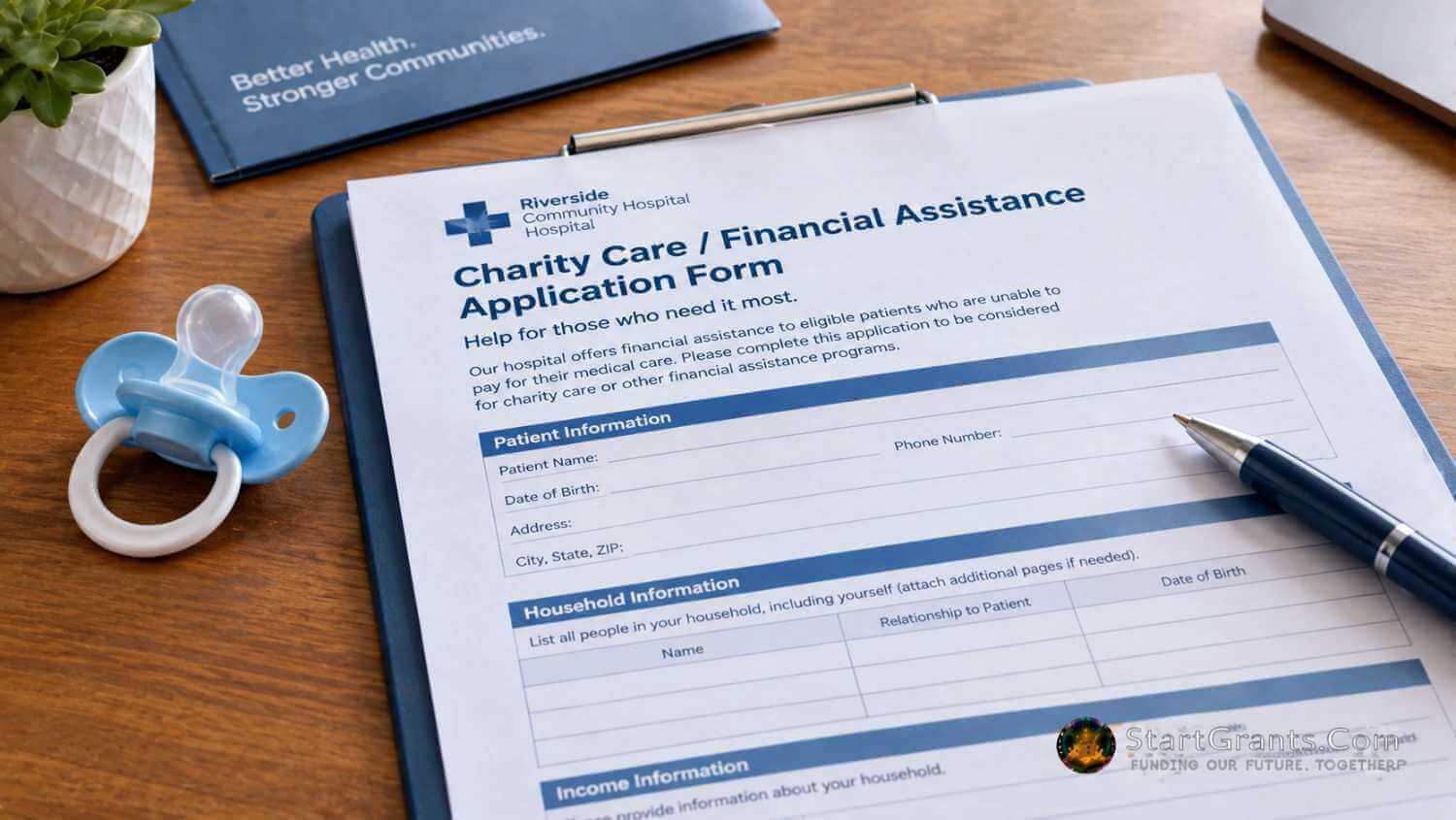
Hospital financial assistance is often called charity care or a Financial Assistance Program (FAP). Section 501(r) of the Internal Revenue Code requires tax-exempt hospital organizations operating hospital facilities to maintain written financial assistance policies. The policy must explain eligibility, the basis for calculating charges, how to apply, and the measures used to publicize the program. See the IRS overview of hospital Financial Assistance Policies.
There is no single national income cutoff or guaranteed discount percentage. Each eligible hospital establishes criteria, and state law may add stronger protections. The Consumer Financial Protection Bureau’s charity-care guidance also notes that assistance may help uninsured and underinsured patients. Some for-profit hospitals and physician groups offer voluntary hardship programs even though the federal 501(r) requirements do not apply to them.
How to apply
- Search the hospital website for “financial assistance,” “charity care,” or “FAP.”
- Ask for the full policy, plain-language summary, application, and list identifying which providers are covered.
- Complete the application and provide the documents the policy requests. Examples may include pay stubs, tax returns, benefit letters, unemployment records, bank statements, or an explanation of unavailable documents.
- Include both the mother’s and newborn’s hospital account numbers and identify other bills from the same episode of care.
- Submit through a trackable channel and save proof of receipt.
- Ask in writing what billing or collection activity will be paused during review and when a decision is expected.
- If denied, request the reason and any reconsideration or appeal procedure.
Having insurance does not automatically make a patient ineligible. A policy may help an underinsured patient with eligible deductibles, coinsurance, or other balances. However, an independent anesthesiologist, pediatrician, radiologist, or laboratory may not participate in the hospital’s FAP. Contact every separate billing entity about its own hardship policy.
Understand the 240-day federal application period
For a tax-exempt hospital, the federal application period generally ends no earlier than the 240th day after the hospital provides the first post-discharge billing statement. It may run longer because of required notices, hospital policy, or state law. This period does not mean all bills, calls, or ordinary collection activity must automatically stop for 240 days.
The hospital must make reasonable efforts to determine FAP eligibility before taking specified extraordinary collection actions. A complete application submitted during the application period triggers additional duties, including suspension of those actions while the hospital decides eligibility. Read notices, meet document deadlines, and obtain the decision in writing. The IRS billing-and-collections guidance explains these requirements.
Ask About Retroactive Medicaid
If you were uninsured or had limited coverage when you gave birth, apply for Medicaid promptly. Federal Medicaid policy permits coverage retroactively for up to three months before the application month when the person would have met the applicable eligibility requirements during each relevant month. However, state policies and approved demonstrations can affect retroactive coverage for particular eligibility groups.
Only the state Medicaid agency can decide eligibility and the coverage effective date. Use the official Medicaid and CHIP contact directory, ask specifically about retroactive coverage, and give the hospital your application or case number. Approval does not guarantee payment of every charge: the date, service, provider enrollment, billing deadline, and other program rules still matter.
If Medicaid covered the mother on the date of birth, the baby may qualify as a deemed newborn through the first birthday without a separate eligibility determination. Families should still complete the state’s administrative steps, obtain the baby’s member information, and make sure each newborn claim is billed correctly.
Use No Surprises Act Protections
The federal No Surprises Act protects many people with group or individual private health coverage from certain unexpected out-of-network bills. It generally covers emergency services and certain non-emergency services furnished by out-of-network providers at an in-network facility. Anesthesiology and neonatology are among the ancillary services for which an out-of-network provider generally cannot obtain a patient’s consent to waive the federal balance-billing protection.
This law does not make childbirth free. Patients may still owe applicable in-network deductibles, copayments, or coinsurance. When federal protection applies, cost sharing must generally be calculated at the in-network level and count toward applicable in-network limits.
If an out-of-network anesthesiologist, neonatologist, or other provider sends a balance bill that appears prohibited, contact the plan and provider. Review the CMS Medical Bill Rights portal or call the No Surprises Help Desk at 1-800-985-3059. State law may provide additional protection.
Request Itemized Bills and Appeal Denials
Request a detailed statement from each billing entity. Depending on the provider, it may show CPT, HCPCS, revenue, diagnosis-related group, or other billing codes. An itemized bill may still group some supplies or services.
Compare every statement with the corresponding EOB and, where necessary, relevant medical records. Look for:
- an incorrect patient, date, provider, or insurance plan;
- duplicate lines or services billed more than once;
- a claim that was never submitted or was sent to the wrong payer;
- an out-of-network balance that may be protected under federal or state law;
- a denial involving authorization, coding, eligibility, or medical-necessity information; and
- a missing insurer payment or contractual adjustment.
Identify the specific disputed line and explain why it appears wrong. A hospital billing dispute and an insurance appeal are separate processes, so both may be necessary. If a health plan denies payment, the denial notice should explain the reason and appeal rights. CMS explains the right to request an internal appeal of a denied health-plan claim; an external review may be available if the internal appeal is unsuccessful.
Do not assume take-home postpartum or newborn items are automatically free. Ask staff which supplies you may take and whether any are billed. Our related guide explains which baby and postpartum supplies hospitals may provide.

Good Faith Estimates for Uninsured or Self-Pay Patients
When a person is uninsured or chooses not to use insurance, a provider generally must supply a written Good Faith Estimate after care is scheduled or when one is requested, subject to timing and other federal rules. Emergency care is excluded. A childbirth estimate also may not predict unscheduled labor, complications, or charges from every separate provider.
Save each estimate. If a bill from an individual provider or facility is at least $400 above that provider’s expected charge in the Good Faith Estimate, the patient may qualify for the federal patient-provider dispute process. The dispute generally must be initiated within 120 calendar days of the initial bill. Confirm the current process through CMS guidance for people not using insurance.
Negotiate Only the Correct Remaining Balance
Wait until insurance processing, appeals, Medicaid, and financial assistance are resolved before financing the remainder. Then ask:
- Is an uninsured or self-pay discount available?
- Can the balance be reconsidered because of current hardship?
- Would a lump-sum settlement close the account in full?
- Is there a direct interest-free hospital payment plan?
- Are there setup fees, late fees, interest, or deferred interest?
- Will the account remain out of collections while agreed payments are current?
- What happens if income drops or a payment is missed?
Do not assume every hospital offers zero-interest financing or that a small payment automatically prevents collections. Obtain the balance, interest rate, fees, monthly payment, due dates, default terms, and any collection commitment in writing.
Be Careful With Medical Credit Cards
A medical credit card can convert a provider balance into credit-card debt and may complicate later efforts to obtain hospital assistance or negotiate directly. Some products advertise a promotional no-interest period but impose deferred interest from the original transaction date if the promotional balance is not paid as required.
Apply for financial assistance first and compare any financing offer with a direct hospital plan. Read the annual percentage rate, promotional expiration date, minimum-payment schedule, late-payment rules, and deferred-interest terms. The CFPB’s medical credit and payment-plan guidance explains the risks.
Handle NICU and Complication Bills Separately
NICU care may produce separate facility and professional claims under the baby’s name. Confirm that the newborn was enrolled in the correct health plan, give every provider the baby’s member information, and ask the hospital financial counselor to screen both mother and child for assistance.
A NICU stay does not automatically qualify every baby for Supplemental Security Income or Medicaid through disability. SSI has medical and financial rules, although specific birth-weight and gestational-age criteria can apply to some infants. Ask a hospital social worker whether an application is appropriate and consult the official Social Security guide for children with disabilities.
For travel, lodging, leave, insurance, and nonprofit resources related specifically to intensive care, read our guide to financial assistance for NICU parents. For broader recovery expenses, see postpartum financial and care assistance.
Medical Debt, Credit Reports, and Collection Lawsuits
Medical debt is not automatically erased. Under voluntary policies announced by Equifax, Experian, and TransUnion, paid medical collections, medical collections less than one year old, and medical collections with an initial reported balance below $500 generally should not appear on their consumer credit reports. These are credit-bureau policies rather than a universal cancellation of the debt. Larger unpaid collections may still be reported, subject to applicable law.
The CFPB’s broader 2025 rule addressing medical debt on credit reports was vacated by a federal court on July 11, 2025, and did not take effect. The agency records that outcome on its medical-information rule page. Medical charges moved onto a credit card are treated as credit-card debt, so the special voluntary medical-collection exclusions do not apply to that card balance.
Review all three credit reports and dispute inaccurate information. Credit-reporting policies do not prevent a valid creditor or collector from seeking payment. A hospital or collector may sue, and garnishment generally requires a court judgment and is controlled by federal and state law. If you receive court papers, respond by the stated deadline and seek legal-aid or consumer-law assistance.
Add the Baby to Health Coverage Promptly
The mother and newborn are separate patients, so separate claims and account numbers are common. Notify the health plan promptly even if the hospital copied an insurance card.
- Employer plans: Federal special-enrollment rules generally require a request within 30 days of birth. Confirm the plan’s process immediately.
- Marketplace plans: Birth generally creates a 60-day Special Enrollment Period, and coverage can generally begin on the birth date.
- Medicaid: A baby whose mother had qualifying Medicaid coverage on the birth date may receive deemed-newborn coverage through the first birthday, but administrative follow-up is still important.
The Department of Labor’s newborn special-enrollment guidance explains the 30-day employer-plan rule, while HealthCare.gov explains Marketplace enrollment after birth.
Save This Childbirth Medical Bill Checklist
[ ] Separate the mother’s, newborn’s, hospital, and professional accounts.
[ ] Match every provider bill to an EOB.
[ ] Request itemized statements from each billing entity.
[ ] Correct insurance, patient, coding, and payment discrepancies.
[ ] Request the FAP, application, plain-language summary, and covered-provider list.
[ ] Ask the state about Medicaid and possible retroactive coverage.
[ ] Appeal eligible insurance denials before the plan deadline.
[ ] Check No Surprises Act or state balance-billing protections.
[ ] Enroll the baby in coverage within the applicable deadline.
[ ] Resolve assistance and appeals before accepting financing.
[ ] Keep written proof of submissions, decisions, agreements, and payments.
A Muslim Perspective
Muslim families seeking to avoid riba may first pursue insurance corrections, hospital financial assistance, Medicaid eligibility, charitable support, and a genuinely interest-free provider payment plan. A hospital discount or charitable payment is not the same as borrowing money, but the actual terms should always be reviewed.
Do not assume that an offer labeled “0%” is automatically free from interest. Check for deferred interest, financing charges, late-payment interest, fees tied to time, or conversion to a high-interest balance. If a provider plan is unclear, request the full written agreement before signing.
A household facing genuine hardship may ask a mosque, Islamic family-service organization, or zakat committee about zakat, sadaqah, or emergency assistance. Eligibility is not automatic and may depend on the organization’s recipient categories, documentation, geography, and available funds. For guidance about zakat eligibility, debt contracts, necessity, or riba, consult a qualified scholar who can review the actual arrangement. A legal-aid attorney or financial counselor can separately help evaluate collection or contract terms.
Frequently Asked Questions
Can insured patients qualify for hospital financial assistance?
Yes, sometimes. A hospital policy may assist eligible underinsured patients with deductibles, coinsurance, or other balances. Eligibility, covered services, income rules, and documents vary. Independent physicians may not participate in the hospital’s policy.
Does a financial assistance application stop collections?
Not necessarily. Federal rules limit specified extraordinary collection actions by tax-exempt hospitals until reasonable efforts have been made to determine eligibility. Ask the hospital in writing what billing or collection activity it will suspend while reviewing a complete application.
Can I apply after paying the hospital bill?
You may still be able to apply if you are within the hospital’s application period. If a tax-exempt hospital determines that you were eligible, federal rules can require correction of the amount owed and refund of qualifying excess payments, subject to applicable rules and small-payment exceptions. Request the policy promptly.
Can retroactive Medicaid pay a childbirth bill?
Possibly. Medicaid may cover eligible services from a retroactive period when the applicant met the requirements during the relevant month, but state policies and approved demonstrations differ. Apply promptly and ask the state Medicaid agency to confirm the effective date.
Do I have to pay a separate bill for the baby?
The newborn is a separate patient, and families commonly receive separate hospital and professional claims for the baby. The number of bills depends on the providers involved. Add the baby to coverage promptly and give the member information to every billing entity.
Will unpaid childbirth bills affect my credit?
They can. The three nationwide credit bureaus generally exclude paid medical collections, collections less than one year old, and collections with an initial reported balance below $500 under their voluntary policies. Larger unpaid medical collections may appear after the waiting period. State law may offer more protection, and charges transferred to a credit card become credit-card debt.
Can a hospital sue over an unpaid childbirth bill?
A hospital or collector may file a lawsuit over a valid unpaid debt, subject to applicable law. Garnishment generally requires a court judgment. Do not ignore court papers; respond by the deadline and contact legal aid or a qualified consumer attorney.
Does TANF pay hospital bills?
TANF is state-administered cash assistance, not health insurance or a dedicated medical-debt program. If eligible, benefits may help with household expenses under state rules, but Medicaid, hospital financial assistance, and insurance appeals are usually more directly relevant to a hospital balance. See our guide to TANF benefits for pregnant women.
What if the hospital is for-profit?
The federal 501(r) financial-assistance requirements apply to tax-exempt hospital organizations, not every for-profit hospital. A for-profit hospital may voluntarily offer hardship assistance, and state law may impose additional requirements. Ask for its financial-hardship policy, uninsured discount, and patient-advocate contact.
Bottom Line
Work in sequence: confirm insurance processing, request itemized bills, correct errors, appeal eligible denials, apply for hospital assistance and Medicaid, use surprise-billing protections when applicable, enroll the baby, and negotiate only the verified remaining balance. Keep everything in writing and act before hospital, insurance, enrollment, assistance, collection, or court deadlines expire.
Important Disclaimer: StartGrants.com is an independent information portal. It is not a hospital, insurer, government agency, lender, law firm, debt-relief provider, healthcare provider, or religious authority. Financial-assistance policies, insurance coverage, Medicaid eligibility, credit-reporting practices, collection rules, and state laws can change. Confirm current requirements with the hospital, health plan, state agency, or other responsible organization. Consult a qualified legal, financial, healthcare, or religious professional when appropriate to your situation.