
Last Updated: | Author: Munir Ardi
If infant formula is part of your baby’s feeding plan, running short can feel frightening. Help may be available through WIC, SNAP, food banks, manufacturer programs, a health plan, or local charities—but no single program guarantees a complete monthly supply for every family.
This guide explains which programs are legitimate, what they actually provide, and what to do when you need formula urgently. For assistance with diapers, safe sleep, clothing, and other essentials, begin with our free baby stuff for low-income families guide.

Start With WIC Formula Benefits
The Special Supplemental Nutrition Program for Women, Infants, and Children (WIC) serves eligible pregnant and postpartum participants, infants, and children younger than five who meet residency, income, category, and nutrition-risk requirements. The federal income standard is a maximum—not an automatic nationwide approval—and state agencies determine eligibility under current rules.
Use the USDA WIC application guidance to find your state agency and apply locally. An online prescreening tool, where available, does not make the final decision. Medicaid, SNAP, or TANF participation may support income eligibility in many cases, but an applicant must still complete the WIC process.
How WIC Formula Benefits Work
WIC is a supplemental nutrition program, not unrestricted cash. A participant’s eWIC account lists the exact brand, product, form, package size, and quantity authorized for that benefit period. State agencies generally use competitively bid rebate contracts for standard infant formula, which is why the contract brand varies by location.
There is no accurate national promise of “seven to nine cans” or a fixed percentage of every baby’s needs. Amounts depend on the baby’s age, breastfeeding or formula-feeding category, product form, container size, state implementation, and the package prescribed by WIC. The Food and Nutrition Service’s WIC food-package page explains that benefits are assigned according to life stage and nutritional needs.
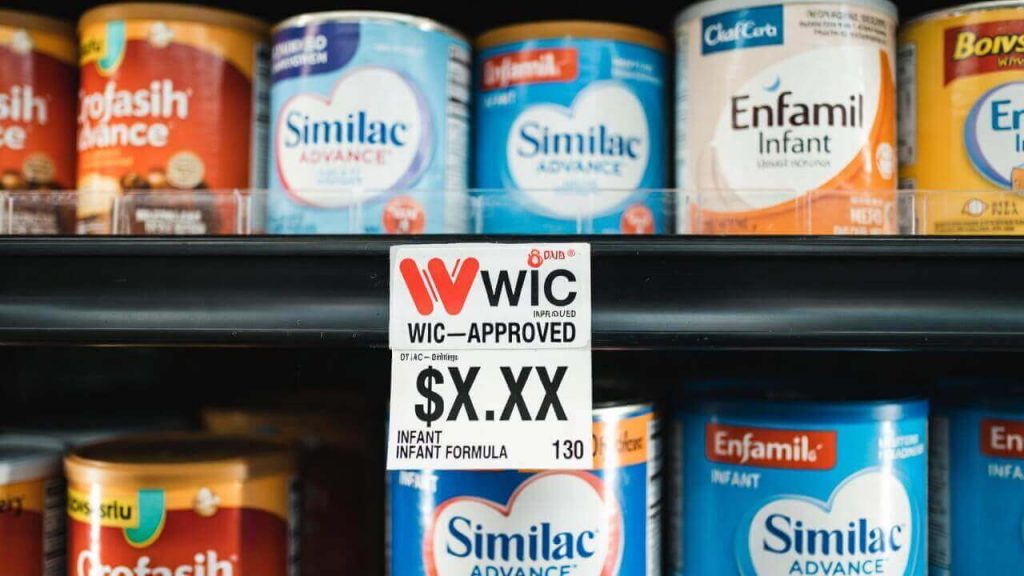
Before checkout, compare the product’s name, size, form, and barcode with your benefit list or WIC app. Authorized retailers differ by state, so do not assume every national chain, warehouse club, pharmacy, or online store accepts your benefits. Our detailed guide to what WIC covers for newborns explains these limitations.
Special or Therapeutic Formula Through WIC
A baby who needs an exempt, hypoallergenic, amino-acid-based, premature-infant, or other specialized product may require medical documentation from an authorized healthcare professional. A prescription or form does not guarantee that WIC will approve every requested brand. The state agency applies its formulary, documentation rules, duration limits, and clinical criteria.
Ask the clinic for its current medical-documentation form before the appointment. The clinician should provide the diagnosis or qualifying condition, requested product and form, daily amount, and duration required by that state’s form. If WIC cannot provide the requested product, ask what written information your health plan needs to review possible medical coverage.
Do Not Sell or Give Away WIC Formula
Formula purchased with WIC benefits is for the named participant. Do not sell, trade, post, or casually donate it. If the baby’s formula changes or sealed containers remain unused, contact the local WIC clinic for its return instructions. State agencies have procedures for returned formula, replacement benefits, donation, or disposal; the participant should not invent a separate exchange.
Use SNAP and Cash Assistance for the Remaining Cost
SNAP can be used to buy infant formula at SNAP-authorized retailers because formula is an eligible food. Unlike WIC, SNAP usually does not limit the household to a state contract brand, but purchases must still follow SNAP rules and the family’s available balance. Check current eligible-item guidance on the official SNAP page.
TANF cash assistance may also help an eligible family pay for basic needs, although benefit amounts, pregnancy eligibility, sanctions, and permitted payment methods vary by state. See our guide to TANF benefits for pregnant women and families.
You may participate in more than one program if eligible, but benefits cannot be duplicated or misused. Tell each agency about household changes and follow its reporting rules.
Compare Ways to Get Formula Help
| Option | What it may provide | What to check first |
|---|---|---|
| WIC | Specific monthly food benefits | Eligibility, authorized product, size, and balance |
| SNAP | Eligible formula purchases using household benefits | Retailer authorization and available balance |
| Insurance or Medicaid | Possible specialty formula coverage | Diagnosis, prior authorization, supplier, and appeals |
| Local aid and promotions | Possible sealed formula, vouchers, samples, or coupons | Current inventory and offer terms |
Availability and benefit amounts change by location, plan, and household; confirm details before relying on a particular source.
Manufacturer Coupons, Samples, and Assistance
Manufacturer programs can lower costs, but they are marketing and support programs—not public benefits. Samples, coupons, shipping, product types, and eligibility can change. Registration may involve consent to receive promotional communications, so read the privacy and program terms.
Enfamil Family Beginnings
The official Enfamil Family Beginnings page currently advertises coupons, rewards, possible samples, and other offers. Free full-size cans are not guaranteed to every registrant. Enfamil also describes Helping Hands sample assistance, through which a baby’s doctor may request a one-time product shipment for an eligible family; additional assistance may be available in some multiples or long-term-need cases.
MySimilac Rewards
MySimilac Rewards offers digital coupons and a points-based rewards program. Abbott’s terms say offers vary and restrictions may apply. Treat the advertised maximum value as a collection of possible benefits—not cash, guaranteed formula, or savings every family will receive.
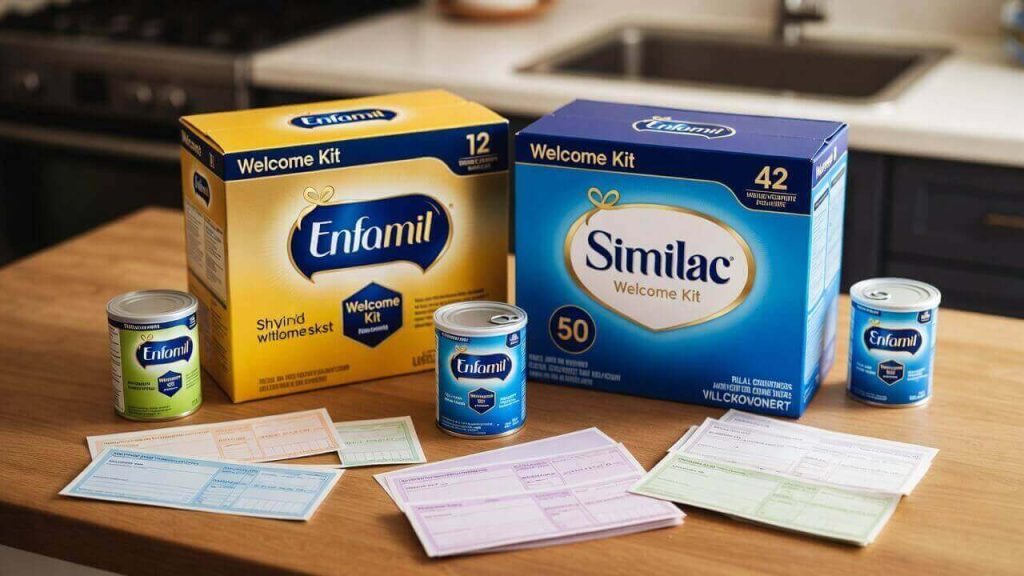
Never create a fake due date, duplicate identity, or false household information to obtain a registry or manufacturer promotion. Coupon-like “formula checks” are not legal tender; they are promotional instruments accepted only under the issuer’s and retailer’s terms.
Can Medicaid or Insurance Cover Medical Formula?
Coverage for medical formula is highly state- and plan-specific. A product may be reviewed under a pharmacy, enteral nutrition, medical food, durable medical equipment, or another benefit. Some plans cover only certain diagnoses, tube feeding, metabolic disorders, or products that meet medical-necessity criteria. State insurance mandates may not apply to every plan, particularly some self-funded employer plans.
Do not assume that a doctor’s prescription turns ordinary formula into covered DME or that Medicaid must approve it after WIC issues a denial. Medicaid is administered by states within federal requirements, and benefit design varies. Call the number on the member card and ask:
- Is this exact formula covered for the baby’s diagnosis and route of feeding?
- Which benefit handles it, and is prior authorization required?
- Which clinical notes, growth records, failed-formula history, laboratory results, or WIC documentation are needed?
- Must it come from a pharmacy, specialty pharmacy, DME supplier, home-infusion company, or another contracted provider?
- What quantity, duration, refill schedule, and member cost apply?
- How can the family appeal a denial?
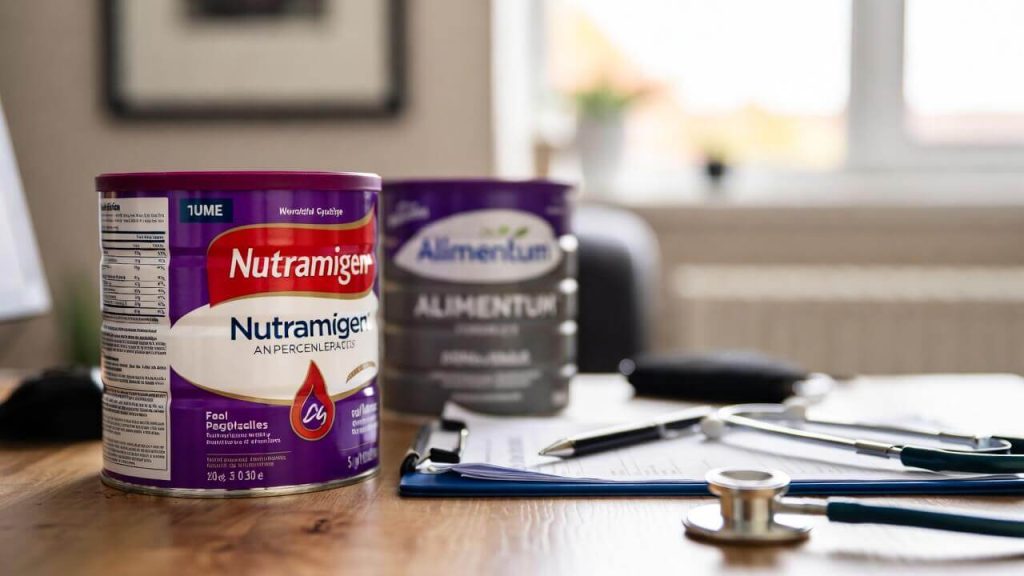
Request a written decision. If denied, read the reason, correct missing information, ask whether an alternative product is covered, and follow the appeal deadline. Families of premature or medically complex infants can also review financial assistance for NICU parents.
Emergency and Community Formula Resources
Call 211 and the National Hunger Hotline
United Way 211 connects families with local food programs. Its food-benefits page also lists the USDA National Hunger Hotline at 1-866-348-6479 for English and 1-877-842-6273 for Spanish, Monday through Friday, 7 a.m.–10 p.m. Eastern Time. Verify current hours before relying on the hotline outside normal business days.
Ask a Food Bank About Current Stock
Feeding America says many network food banks help with baby food, formula, or diapers. Formula is not stocked by every location and may run out, so call before traveling. Ask about sealed product, use-by dates, eligibility, pickup hours, and whether the pantry can accommodate a medical formula.
Contact the Pediatrician, Hospital, or Health Center
A clinic or hospital may have samples, a social worker, or a community referral, but supply is not guaranteed. Ask the pediatrician before changing a specialty product. A hospital should not be described as a guaranteed source of several days of free formula.
Ask Faith-Based and Community Organizations
Local mosques, churches, community health centers, diaper banks, pregnancy programs, and family-service agencies may provide a store voucher, sealed formula, or referral. Services vary locally. Families considering a Catholic agency can review Catholic Charities baby assistance without assuming that every office stocks formula.
Save Money Without Compromising Safety
Store Brand Can Be an Option, but It Is Not “Identical”
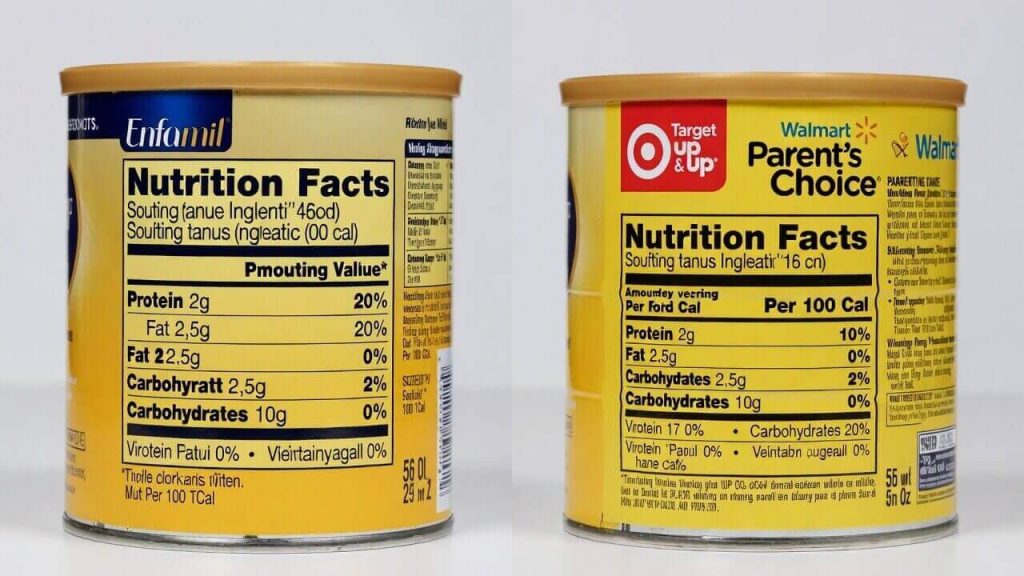
The FDA does not pre-approve infant formulas before marketing. However, manufacturers of formula legally marketed in the United States must meet federal nutrient and safety requirements and notify the FDA before marketing a new formula. Store-brand and name-brand products can differ in protein source, carbohydrates, fats, prebiotics, preparation instructions, and tolerance.
For a healthy infant using standard formula, ask the pediatrician whether a less expensive formula of the same general type is appropriate. Do not switch a premature infant, medically fragile baby, or child using therapeutic formula without clinical guidance. Compare cost per prepared fluid ounce rather than container price alone.
Use Only Formula Marketed Legally in the United States
Imported formula is not automatically unsafe, and some imported products are legally marketed here. The risk comes from products ordered through unofficial third-party sellers that may not meet U.S. requirements or may have unclear storage, labeling, or preparation instructions. Check the FDA list of infant formulas marketed in the United States and current safety alerts.
Do Not Mix Powders by Guesswork
Never use one brand’s scoop for another product or assume two labels use the same water-to-powder ratio. If a clinician recommends transitioning between standard formulas, prepare each product exactly as its own label directs. Do not use a social-media “75/25” recipe that combines dry powders or changes the water ratio.
A Muslim Perspective
Muslim families may have questions about breastfeeding, halal ingredients, zakat, Ramadan, and donor milk. These points are practical guidance, not an individualized fatwa.
Breastfeeding Is Valued, but Parents Should Not Be Harmed
Qur’an 2:233 discusses nursing for parents who wish to complete the period, financial support for the mother, mutual consultation, and the principle that no parent should be made to suffer because of the child. It also recognizes alternative nursing arrangements. The verse should not be used to shame a mother who cannot breastfeed, chooses combination feeding, or follows medical advice to use formula.
If breastfeeding remains part of the family’s plan, WIC and health plans may offer lactation support. Our guide explains how to check Medicaid breast-pump coverage.
“Kosher” or “Vegetarian” Does Not Automatically Mean Halal-Certified
Formula ingredients and processing aids can change by product, country, and formulation. If halal certification matters to your family, look for certification on the exact package and verify it with the certifying body. A kosher symbol may answer some ingredient questions but is not identical to halal certification.
If no certified product meets a baby’s medical needs, do not delay feeding or replace prescribed formula based only on an online ingredient list. Ask the manufacturer about ingredient sources, discuss safe alternatives with the pediatrician, and consult a qualified scholar about necessity and available choices.
Zakat Eligibility Is Based on the Family’s Circumstances
A mosque or Muslim social-service organization may use zakat or sadaqah to help an eligible family buy formula. Formula is not automatically a valid zakat payment merely because it is essential; the local committee must determine whether the recipient and payment method satisfy its rules. Explain the need honestly and ask whether the organization pays the retailer, provides a gift card, or offers general emergency assistance.
Do not assume ICNA Relief, Islamic Relief USA, or every mosque keeps infant formula. Local inventory and programs must be confirmed directly. Receiving neutral food assistance from a secular or non-Muslim organization does not create a debt or interest-bearing transaction, although families may ask about any program-specific conditions.
Donor Milk Can Raise Milk-Kinship Questions
Families with a premature or medically fragile baby may be offered screened donor human milk in the hospital. Muslim scholars and institutions differ on how milk-bank practices affect rada’ah or milk kinship. The International Islamic Fiqh Academy issued updated guidance in 2025, while other authorities have reached different conclusions for particular milk-bank systems.
Ask whether milk comes from one or multiple donors, what identifying and traceability records are kept, and whether an alternative is medically appropriate. In an urgent NICU situation, speak promptly with both the treating team and a scholar familiar with neonatal care rather than delaying necessary nutrition.
Ramadan Fasting Must Not Reduce the Baby’s Required Feeding
A breastfeeding parent’s ability and religious obligation to fast can depend on health, milk supply, and individual circumstances. Discuss medical risk with a clinician and religious responsibility with a qualified scholar. Never dilute, ration, or skip the baby’s formula to match an adult fasting schedule.
Prepare and Store Infant Formula Safely
Follow the exact instructions on the container and any additional directions from the baby’s clinician. The CDC formula preparation guidance gives these core rules:
- Wash hands and use clean feeding equipment and safe water.
- Measure water first, then add the exact amount of powder using the scoop supplied with that formula.
- Use prepared formula within two hours of preparation and within one hour after feeding begins.
- If feeding has not begun, refrigerate the prepared bottle within two hours and use it within 24 hours.
- Discard formula left in a bottle after feeding; do not refrigerate it for later.
Powdered formula is not sterile. CDC advises considering sterile ready-to-feed liquid formula when possible for infants at higher risk of serious infection, including some babies younger than two months, born prematurely, or with weakened immune systems. Ask the baby’s clinician which form and preparation method are appropriate.
Never Use These Cost-Cutting Methods
- Extra water: Dilution reduces calories and nutrients and can cause dangerous electrolyte problems.
- Too little water: Over-concentrated formula can stress the kidneys and contribute to dehydration.
- Homemade recipes: The FDA warns against homemade infant formula because contamination and nutrient imbalance can be life-threatening.
- Opened, damaged, recalled, or expired containers: Use only sealed products within the use-by date and check current recalls.
- Toddler drinks, cow’s milk, plant drinks, or foreign recipes as substitutes: Do not replace infant formula without direction from the baby’s clinician.
Your 24-Hour Formula Assistance Plan
- Verify safety: Check the use-by date, seal, container condition, preparation label, and FDA recall notices.
- Call WIC: Apply, request an appointment, or report a medically necessary formula change.
- Check SNAP: If enrolled, confirm the store is authorized and the formula is an eligible food.
- Ask about medical coverage: For a specialty formula, contact the clinician and health plan before paying for a large supply.
- Find immediate local stock: Call 211, the food bank, pediatric clinic, hospital social worker, and trusted community organizations.
- Use promotions only as a supplement: Manufacturer coupons and samples can help, but should not replace a reliable feeding plan.
Frequently Asked Questions
How much formula does WIC provide each month?
There is no single number of cans for every infant. The amount depends on age, feeding category, product form, container size, state implementation, and the baby’s assigned WIC food package.
Can I choose any formula brand with WIC?
Usually not. The eWIC benefit specifies an authorized product, form, and size. A medically supported alternative may require the state’s documentation form and approval.
Does a prescription guarantee specialty formula from WIC?
No. Medical documentation supports the request, but the state agency applies its approved products, clinical criteria, quantity rules, and duration limits.
Can SNAP pay for infant formula?
Yes. Infant formula is an eligible SNAP food when purchased from an authorized retailer, subject to the household’s available benefits and program rules.
Must Medicaid cover medically necessary formula?
Not under one identical national policy. Coverage depends on the state, plan, diagnosis, feeding route, benefit category, medical-necessity criteria, prior authorization, and contracted supplier.
Is store-brand infant formula safe?
Formula legally marketed in the United States must meet federal nutrient and safety requirements. Products are not necessarily identical, so compare the type and instructions and ask a clinician before changing a specialty or medically directed formula.
Can I donate unused formula purchased with WIC?
Do not sell, trade, give away, or independently donate it. Contact the local WIC agency for its return instructions; the agency determines whether returned sealed formula can be donated or must be disposed of.
How long is prepared formula safe?
Use it within two hours of preparation and within one hour after feeding begins. If feeding has not started, refrigerate it within two hours and use it within 24 hours. Discard leftovers from a feeding bottle.
Can I use imported European formula?
Use only products legally marketed in the United States and follow their U.S. labeling. Avoid unofficial third-party imports with uncertain regulatory status, storage history, or mixing instructions.
How can a Muslim family check whether formula is halal?
Check the exact package for recognized halal certification and verify it with the certifier or manufacturer. If no certified product meets a medical need, consult the pediatrician and a qualified scholar before delaying or changing necessary feeding.