
Last Updated: June 2026 | Author: Zee
The moment you see a positive pregnancy test, your life changes—and so does your financial reality. In the United States, the average cost of prenatal care, labor, and delivery can easily exceed $15,000. If you are uninsured, underinsured, or struggling to make ends meet, the thought of paying for childbirth out-of-pocket can cause severe anxiety.
Before executing specific applications, you must ensure your overall administrative strategy is aligned. Report back to our Tier 2 master directory on maternity and pediatric financial help to understand the broader landscape of healthcare funding for families.
You do not have to assume this financial burden alone. The state and federal governments view maternal health as a top priority. From free nutritional assistance to fully covered hospital stays, here is your 2026 tactical guide to securing government grants for pregnant women.
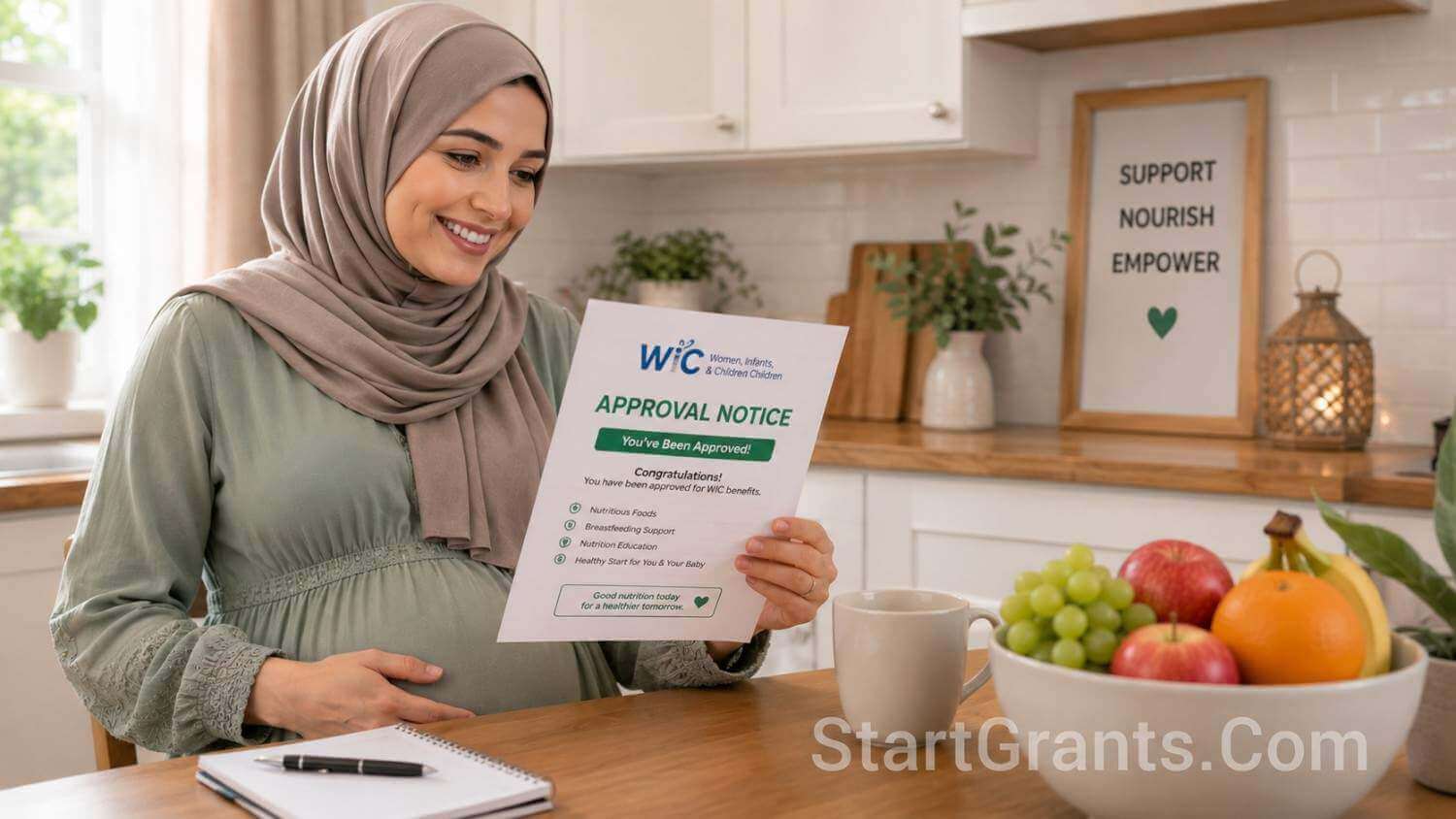
The financial burden of childbirth should not overshadow the joy of pregnancy. Federal and state governments allocate billions of dollars in grants to ensure expecting mothers receive free, comprehensive prenatal care and nutrition.
Phase 1: Securing Federal & State Grants
Government grants for pregnant women are not typically handed out as cash checks. Instead, they are distributed as specialized coverage programs that directly pay for your food, housing, and medical bills. You must apply for these top three federal lifelines immediately.
Horizontal Strategy: If you suspect you are pregnant but cannot afford a doctor’s visit to confirm it, secure your medical proof first by reviewing our guide on trusted sources where can I get a free pregnancy test.
1. WIC (Women, Infants, and Children)
WIC is the most accessible government grant for expecting mothers. It is a federally funded nutrition program designed to ensure pregnant women get the essential vitamins and healthy food required for fetal development. If approved, you will receive a monthly allowance (often loaded onto an EBT card) specifically restricted to buying healthy foods like milk, eggs, fresh produce, and whole grains.
Pro-Tip: The WIC Application Process
Watch this essential step-by-step breakdown explaining exactly how to apply for WIC if you are pregnant, including the specific income requirements and the full process you must complete to secure your nutritional benefits before your due date:
2. Medicaid for Pregnant Women
Do not panic over hospital bills. Medicaid provides comprehensive health coverage for low-income pregnant women. Under federal law, if you qualify for Medicaid during your pregnancy, it will cover 100% of your prenatal visits, ultrasounds, labor, delivery, and a minimum of 60 days of postpartum care (with many states extending this to a full year).
3. TANF (Temporary Assistance for Needy Families)
If you need actual cash assistance to pay for rent, utilities, or maternity clothing, TANF is the program to target. Commonly known as “welfare,” TANF provides temporary financial grants to low-income families. Pregnant women in their third trimester often qualify for priority cash assistance to help prepare for the baby’s arrival.
Phase 2: The Muslim Perspective (Gharar, Riba, & Hibah)
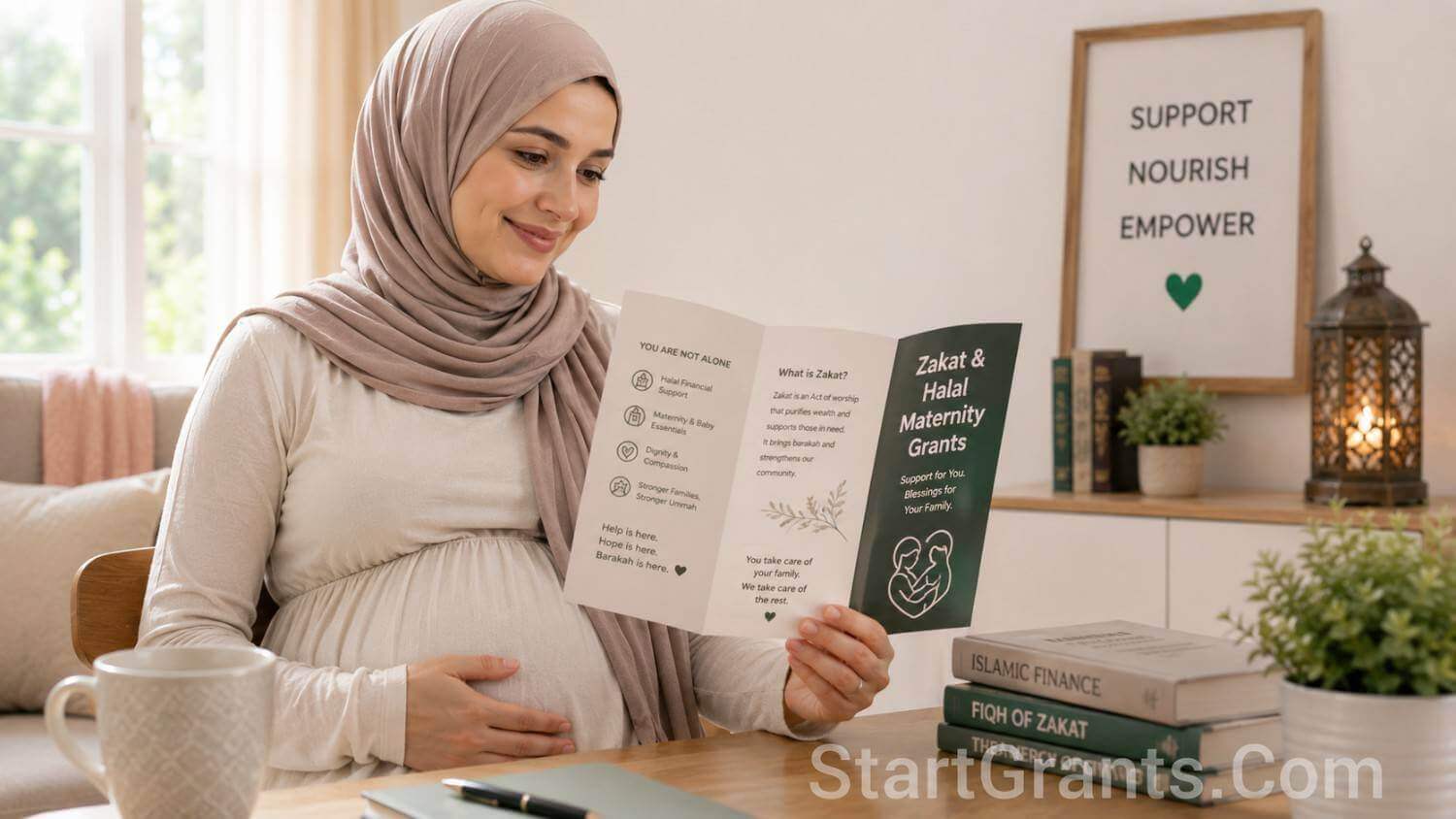
Protecting your unborn child also means protecting your family’s spiritual purity. Utilizing government grants (Hibah) and Zakat ensures your maternity care is fully funded without engaging in interest-bearing debt (Riba).
For expecting Muslim mothers, protecting the health of the baby must be balanced with protecting the spiritual and financial purity of the household. The American medical billing system is fraught with Islamic jurisprudential (Fiqh) landmines, particularly during childbirth.
1. The Gharar of Maternity Insurance
Many families assume their private employer insurance will smoothly cover the birth. However, commercial insurance is often riddled with Gharar (uncertainty). You may suddenly be hit with “out-of-network” anesthesiologist bills or hidden deductibles after delivery. Depending solely on unpredictable insurance contracts leaves your family exposed to sudden financial shocks.
2. Avoiding the Riba Trap
When a surprise $5,000 hospital bill arrives post-delivery, the immediate instinct is to put it on a credit card or accept a hospital payment plan that charges interest. This is Riba (usury), which is strictly Haram. Beginning a child’s life by plunging the family into Riba removes the Barakah (blessings) from your wealth.
3. The Halal Route: Hibah and Zakat
Government programs like Medicaid and WIC are the ultimate Halal financial shields. Because these are state-funded welfare programs distributed from the public treasury without requiring interest or repayment, they fall under the Islamic concept of Hibah (a grant or gift). Claiming these benefits is fully permissible and highly encouraged to protect your family’s resources.
If government assistance is insufficient and you are facing medical debt, you qualify as Al-Gharimin (those burdened by debt). You are entitled to seek Halal Zakat funds. National organizations like ICNA Relief offer dedicated programs for mothers and families in crisis, providing Zakat to cover essential medical and living expenses without the sin of Riba.
Conclusion: Activating Your Benefits
Do not let the fear of medical bills ruin your pregnancy. Government grants for pregnant women are legally mandated safety nets designed to protect you and your baby.
Your strategy is to act immediately. Apply for WIC the moment your pregnancy is confirmed to secure nutritional funding. Submit your Medicaid application to guarantee your hospital and delivery costs are completely covered. For Muslim families, aggressively utilizing these government grants (Hibah) is the most effective way to ensure your child’s arrival remains completely free from the spiritual contamination of Riba.
Frequently Asked Questions (FAQs)
Q1: Can I get WIC if I already have a job?
A: Yes. WIC is specifically designed for low-to-moderate-income families. You can be employed and still qualify for WIC benefits as long as your household income falls below their specific state thresholds (typically 185% of the Federal Poverty Level).
Q2: Will applying for pregnancy Medicaid affect my husband’s immigration status?
A: No. Applying for Medicaid for pregnant women or WIC is exempt from the “Public Charge” rule. Receiving these specific maternity and child health benefits will not negatively impact your or your spouse’s green card application or immigration status.
Q3: What if I don’t qualify for Medicaid but still can’t afford the delivery?
A: If your income is slightly too high for Medicaid, you should apply for CHIP (Children’s Health Insurance Program), which covers pregnant women in many states. If you still don’t qualify, you must ask the hospital for their Charity Care application to significantly discount the birth costs.
Q4: Does the government provide grants for baby cribs or car seats?
A: Direct federal grants usually don’t buy physical baby gear, but state-level Medicaid programs and local WIC offices often partner with non-profits to distribute free car seats and cribs to enrolled mothers who attend prenatal safety classes.
Important Disclaimer: StartGrants.com is an informational directory. Grant availability, income thresholds, and state-specific Medicaid rules change frequently. Always consult directly with your local WIC office, Department of Social Services, or a certified Islamic scholar for specific guidance.