
Last Updated: June 2026 | Author: Munir Ardi
Pregnancy is meant to be a time of joyful preparation, but when combined with the threat of homelessness, it becomes a period of terrifying vulnerability. The physical stress of sleeping in a car or a crowded shelter can cause severe complications for both the mother and the unborn child, including premature birth and low birth weight. If you are expecting a child and staring at an eviction notice or actively fleeing a dangerous situation, securing safe shelter is your absolute highest priority.
The system recognizes this urgency. In the eyes of government agencies and charitable organizations, pregnant women are classified as a top-tier vulnerable population. Because of this status, you have access to specialized grants, expedited vouchers, and dedicated maternity homes that bypass the traditional, years-long housing waitlists.
Before we explore specific maternity programs, it is vital to understand the broader safety nets available if you lose your current residence tonight. Please bookmark our master guide on emergency housing for the homeless for a comprehensive view of immediate shelter options.
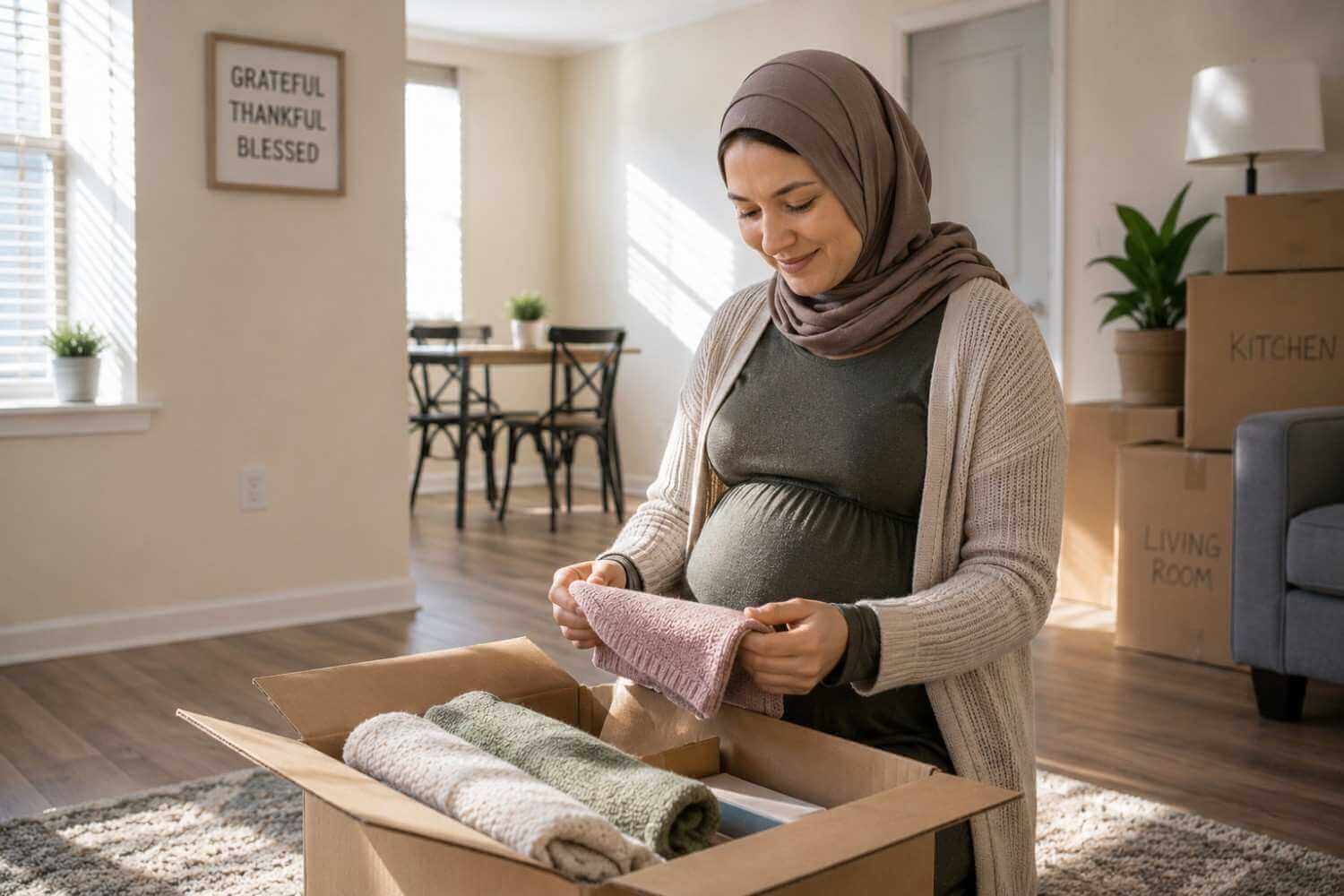
Expectant mothers facing homelessness are considered a top priority for emergency housing vouchers and transitional maternity homes.
Phase 1: Maternity Homes and Transitional Housing
Your fastest route to a safe bed is often through specialized non-profit “Maternity Homes.” These are not standard homeless shelters. They are dedicated, secure facilities designed exclusively for pregnant women (and sometimes their existing young children). They offer a calm environment, proper nutrition, and onsite medical checkups.
1. Catholic Charities and The Salvation Army
Both of these massive organizations operate dedicated maternity housing programs across the country. They offer private or semi-private rooms for expectant mothers. Beyond just a place to sleep, these programs provide parenting classes, financial literacy training, and direct pathways to permanent housing after the baby is born. You do not need to be of their faith to be accepted.
2. The National Maternity Housing Coalition
There is a vast network of independent maternity homes across the United States. Organizations like Mary’s Shelter or Colette’s Children’s Home focus on taking women off the streets, providing them with a safe, apartment-style living situation during their third trimester, and allowing them to stay for several months postpartum.
Pro-Tip: Inside a Maternity Home
Before applying, it can be incredibly comforting to see exactly what a maternity home looks like from the inside. Watch this inspiring feature, Mary’s Home provides safe place for homeless pregnant women, to witness how these dedicated shelters offer a warm, supportive, and secure apartment-style environment for expectant mothers to heal and prepare for birth:
Phase 2: Government Grants and HUD Priority
While maternity homes are excellent for immediate, transitional relief, you will eventually need your own permanent apartment. The federal government, through the U.S. Department of Housing and Urban Development (HUD), offers grants and vouchers.
The Section 8 “Pregnancy” Advantage
Normally, the Section 8 Housing Choice Voucher waitlist can take years. However, pregnancy drastically changes your application status. Once you have medical proof of pregnancy, the housing authority immediately counts the unborn child as a family member. This bumps your “household size” up, which can qualify you for a larger apartment and higher priority on the emergency public housing waitlist.
Official Government Housing Resources
To apply for federal housing assistance or locate a HUD-approved counselor who can expedite your application, use only these official portals:
- HUD Local Office Directory: Find Your Local Public Housing Agency (PHA)
- HUD Approved Counseling: Free Housing Counseling Agencies
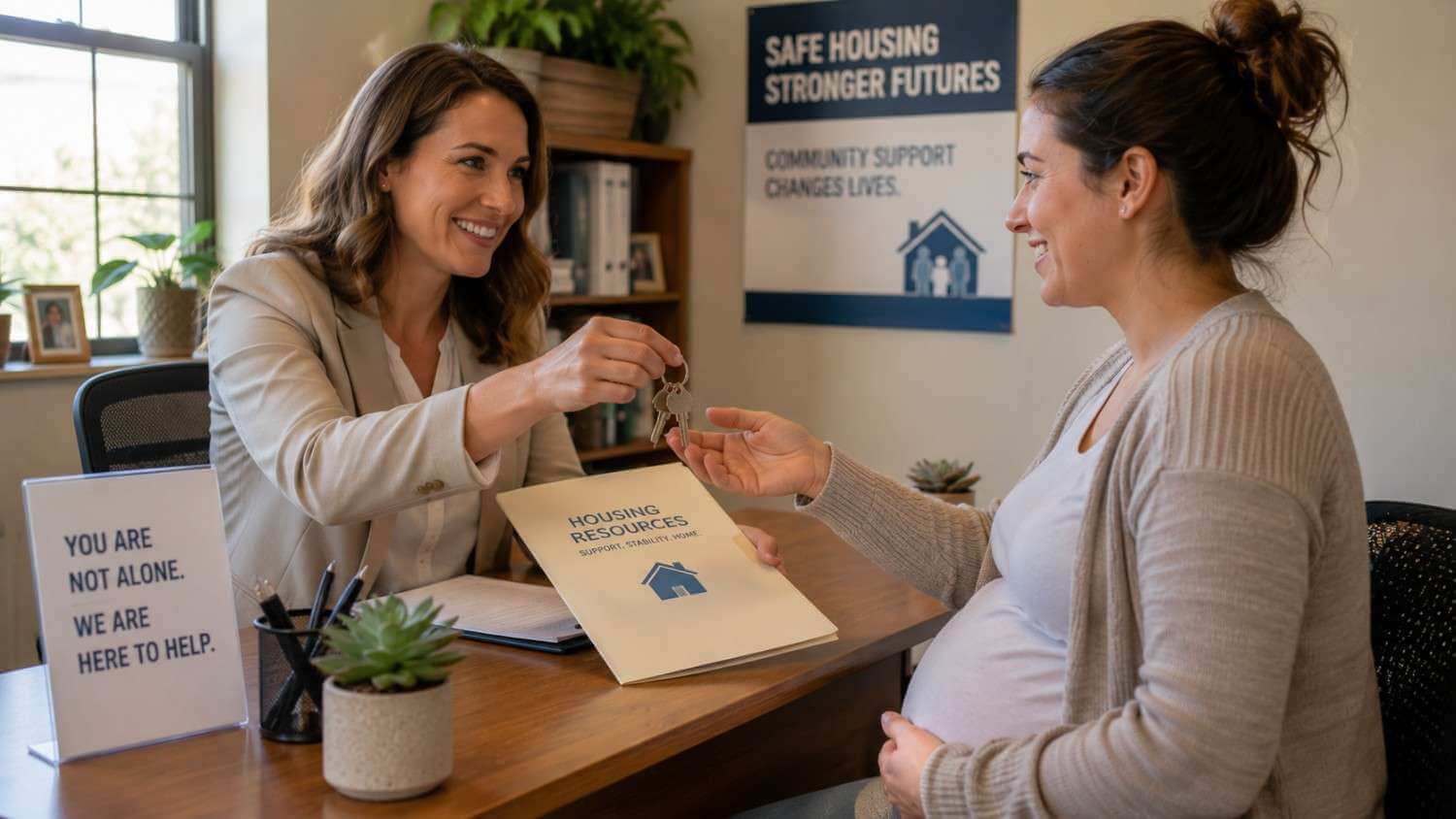
Dedicated housing counselors can help pregnant women bypass long waitlists and secure safe transitional housing before the baby arrives.
Phase 3: Holistic Care (Food and Future Stability)
Securing an apartment is only part of the battle; a healthy pregnancy requires consistent, high-quality nutrition. You must not drain your limited cash reserves to buy food when government programs are designed to cover this for you.
If you are pregnant, you are immediately eligible to apply for the WIC (Women, Infants, and Children) program, which provides free, targeted groceries for fetal development. Learn exactly how to secure this and other food grants by reading our guide on obtaining groceries for low-income families. Furthermore, once your baby is born, your housing strategy will shift. Prepare for the next phase by reviewing the resources available for homeless families with children.
Pro-Tip: Securing Your WIC Benefits
Proper nutrition is just as important as a safe roof over your head. If you are pregnant and low-income, you are immediately eligible for federal food assistance, but the application process requires specific documentation. Watch this comprehensive step-by-step guide, How to apply WIC if you are pregnant Requirements and full Process, to learn exactly what you need to secure free, healthy groceries for you and your baby today:
Phase 4: The Muslim Perspective (Protecting Al-Nasl Without Riba)
In Islam, the protection of life (Hifz al-Nafs) and the protection of the future generation/lineage (Hifz al-Nasl) are among the highest objectives of the Shariah (Maqasid al-Shariah). A pregnant woman carries a sacred trust, and the community is obligated to ensure she is sheltered. However, the desperation to find a safe apartment must not drive a family into forbidden financial practices.
1. The Danger of Riba-Based Survival Debt
When facing eviction while pregnant, some mothers resort to taking out “Payday Loans” or maxing out high-interest credit cards just to pay the first month’s rent on a new apartment. This is a critical spiritual danger. These loans involve compounding Riba (usury), which is strictly Haram. Riba destroys the Barakah (blessings) in your wealth and guarantees that you will be financially crushed just as your baby is born.
2. The Gharar in Predatory Maternity Scams
Be wary of “agencies” that promise to secure you an apartment or private maternity insurance for a hefty upfront, non-refundable fee with no guarantees. Because these contracts are exploitative and the outcome is highly uncertain, they contain Gharar (deception/uncertainty) and are strictly prohibited in Islamic finance.
3. Halal Relief: Zakat and Specialized Sister Shelters
The Halal solution is to seek out Hibah (gifts/grants) from the government and charities. For Muslim women, especially those fleeing domestic issues or facing homelessness without family support, institutions like ICNA Relief are a lifeline. They operate dedicated Transitional Housing specifically for women and children. These homes provide a safe, Halal environment, funded entirely by Zakat and Sadaqah, ensuring that mother and baby are protected without compromising their faith.
Phase 5: Tactical 24-Hour Action Plan
If you are pregnant and have nowhere to sleep tonight, follow these steps immediately:
- Call 211: Tell the operator explicitly, “I am pregnant and homeless.” This single phrase triggers an emergency protocol in their system, bumping you to the top of the priority list for shelter beds and motel vouchers.
- Go to a Local Hospital: If it is late at night and you are in physical distress or have nowhere safe to go, walk into an Emergency Room. Hospitals have dedicated social workers on staff 24/7 who can arrange emergency placement for vulnerable pregnant women.
- Contact a Local Pregnancy Crisis Center: While their primary mission varies, almost all local crisis pregnancy centers have direct phone lines to maternity homes and can place you in a safe environment within hours.
Conclusion
You do not have to endure the physical and emotional trauma of homelessness while carrying a child. The system is specifically designed to catch you. By leveraging dedicated maternity homes, aggressively pursuing expedited HUD grants, ensuring your nutritional needs are met through WIC, and seeking Halal community support, you can secure a safe, warm apartment. Make the call to 211 or your local housing authority today—a safe home is waiting for you and your baby.
Frequently Asked Questions (FAQs)
Q1: Can I get Section 8 faster if I am pregnant?
A: Yes, pregnancy can expedite the process. When you provide medical proof of pregnancy to your local Public Housing Agency (PHA), the unborn child counts as a family member. This increases your household size, which can bump you to a higher priority list or qualify you for a larger apartment faster.
Q2: What is a Maternity Home?
A: A maternity home is a transitional, residential facility specifically for pregnant women in crisis. Unlike general homeless shelters, they provide a calm, safe environment, prenatal care coordination, parenting classes, and a place to live for several months after the baby is born.
Q3: How long can I stay in a free apartment or maternity home?
A: It depends on the program. Maternity homes typically allow you to stay throughout your entire pregnancy and anywhere from 3 to 12 months postpartum. The goal is to give you enough time to secure permanent housing and stabilize your income before you transition out.
Q4: Will I be separated from my other children if I go to a maternity home?
A: Not necessarily. While some smaller maternity homes only accept first-time mothers, many larger organizations (like Colette’s Children’s Home or Catholic Charities) have family units designed to keep pregnant mothers and their existing young children together.
Q5: Is it Halal to accept government housing assistance?
A: Yes, absolutely. Government grants, Section 8 vouchers, and free stays at maternity homes are classified as Hibah (gifts from public/charitable funds). Since they do not require you to pay interest (Riba) or enter into unethical contracts, utilizing them to protect your unborn child is completely Halal and encouraged.




I’m 19 years old with a 2 years old boy and at this moment I’m pregnant again and I really need a place to
I’m 19 years old with a 2 years old boy and at this moment I’m pregnant again. I have been leaving with a lady but not having my own room I don’t have no space no private things on my own. I’m looking for a place to stay.i really need help
My name is Carrie I’m currently pregnant and I need help finding a place to raise my unborn child can you help?