
Last Updated: | Author: Munir Ardi
If you need emergency housing for the homeless in the United States, start with 211 and its local housing referrals or your community’s homeless-services intake office. Explain where you will sleep tonight and ask about available shelter, after-hours intake, and any emergency hotel placement. A referral or assessment does not guarantee a bed. This guide helps you choose the right starting point and prepare for the next step.
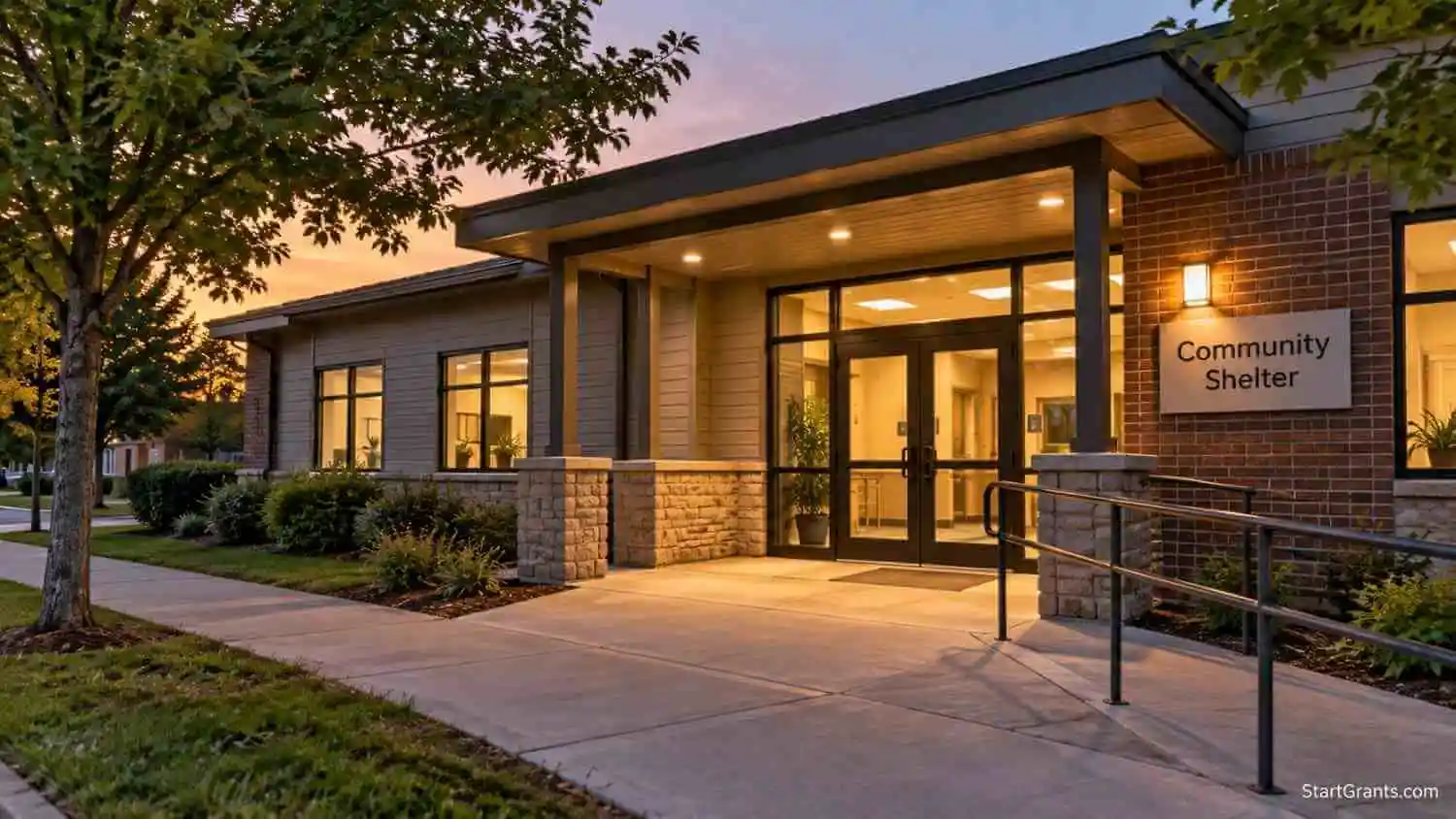
Need Somewhere to Sleep Tonight? Start Here
- Give your current city or ZIP code. Tell intake staff how many people need shelter, children’s ages, and whether you are outside, in a vehicle, leaving an unsafe home, or losing your current lodging.
- Ask for the correct intake route. Request the provider’s direct number, opening hours, address, and whether it accepts walk-ins or requires a referral. If dialing 211 does not connect, use its website to locate the local service.
- Explain access and safety needs. Mention disability-related needs, pregnancy, veteran status, medication storage, a service animal, pets, or a work schedule that affects arrival.
- Confirm the next step before traveling. Ask whether space is actually available, whether a place is being held, and what to do if transportation or a late arrival becomes a problem.
You can also search HUD’s Find Shelter tool for shelters, food pantries, health clinics, and clothing resources. It also points to local Continuum of Care contacts. A directory listing is a starting point; call the provider to confirm its current services.
A practical call script: “My household has nowhere safe to sleep tonight. We are in this city and ZIP code. What emergency shelter intake is available now? If your program cannot place us, who should we contact next, and what is the after-hours option?”
Understand Which Kind of Housing Help You Need
Emergency shelter, temporary lodging, and rental assistance are different services. Most households seek help through local providers rather than applying directly to HUD for a personal housing grant.
| Option | What it provides | What to confirm |
|---|---|---|
| Emergency shelter | Temporary accommodation, sometimes with meals and support services. | Available beds, intake rules, accessibility, and household fit. |
| Hotel or motel placement | A provider-authorized temporary stay where offered. | Approval, covered nights and charges, check-in, and checkout. |
| Safe parking | Authorized overnight vehicle parking at participating locations. | Enrollment, vehicle requirements, hours, and facilities. |
| Transitional housing | Time-limited accommodation with a plan for moving on. | Program length, fees, rules, and exit support. |
| Rapid re-housing | Help entering permanent rental housing with time-limited assistance. | Eligibility, your rent share, and when assistance ends. |
| Longer-term housing programs | Options such as subsidized rentals or permanent supportive housing. | Separate eligibility, applications, referrals, and waiting lists. |
Local funding, vacancies, admission rules, and services change. None of these categories guarantees immediate placement or a specific benefit amount.
How Coordinated Entry Fits Into the Process
Coordinated entry is a community’s process for assessing housing needs and referring people to appropriate programs. HUD’s coordination rules connect participating Emergency Solutions Grants programs with local assessment systems and written assistance standards; victim-service providers may use a separate process.
Ask where to complete an assessment, what happens afterward, and how to update your contact details or changed circumstances. Calling 211 does not necessarily complete coordinated entry. Do not assume every community uses one assessment tool, one score, or one waiting list.
Ask separately about shelter tonight. If your assessment appointment is later, request the current emergency or after-hours route. Record the staff member’s name, date, next action, and follow-up instructions. An assessment is not a reservation.
Emergency Shelter, Motel Assistance, and Safe Parking
Emergency shelters
Facilities may use shared sleeping areas, family rooms, or other arrangements. Before arrival, ask about check-in, curfews, daytime access, meals, showers, storage, and any fees. There is no nationwide 6 p.m. entry rule or 7 a.m. departure rule.
If you work nights, request an approved arrival arrangement before accepting a placement. Ask how to keep medications and valuables secure. Explain mobility needs and whether you need accessible bathrooms, an interpreter, or another adjustment.
Ask about pets separately from service animals. DOJ’s service-animal guidance explains protections and permitted questions in settings covered by the ADA. An ordinary pet and a trained service animal do not have the same legal status.
Emergency hotel and motel assistance
Some providers authorize hotel stays when an appropriate shelter placement is unavailable. ESG emergency shelter rules permit hotel or motel voucher costs in that situation, but do not require every community to offer them.
Before booking, confirm approval, the hotel, authorized occupants, covered charges, and checkout date. Ask about deposits, transportation, pet charges, and extension procedures. Do not assume you will be reimbursed for a room you pay for yourself.
For application and check-in details, use our guide to requesting emergency hotel and motel vouchers.
Safe parking when you live in a vehicle
Sleeping in a vehicle can fall within HUD’s definition of homelessness; having a car does not automatically mean you are housed. Parking restrictions and assistance eligibility are separate questions.
Ask about an authorized safe-parking program rather than assuming any public lot allows overnight stays. For example, New Beginnings in Santa Barbara County, California operates a local program and lists driver’s license, vehicle registration, and insurance requirements for parking enrollment. Other locations set their own rules. Confirm spaces, restrooms, arrival times, and vehicle restrictions.
If You May Lose Your Home Soon
Seek eviction-prevention help while also preparing an emergency backup plan. A notice does not tell you everything about your rights or the legal timeline. Contact a local legal-aid provider through Legal Services Corporation’s legal-help directory, and do not ignore court papers or hearing dates.
Ask social services or local charities about rental arrears, mediation, and housing problem-solving. Assistance applications do not automatically stop an eviction. If staying is unsafe or you have nowhere to sleep, seek emergency shelter at the same time.
Our guide to seeking help before eviction covers urgent next steps. For a broader search for ongoing or short-term rental support, see where to look for help paying rent.
Specialized Housing Routes for Different Households
Families with children and pregnant applicants
Ask for family intake and describe everyone who needs accommodation, including teenagers and partners. If a proposed placement separates your household, ask for the policy and available alternatives. Under the ESG shelter rule linked above, a child’s age under 18 cannot be used to deny family admission to an ESG-assisted shelter serving families with children under 18.
Contact your school district’s McKinney-Vento liaison about enrollment, school-of-origin decisions, and transportation. The Arizona Department of Education’s parent guidance explains these federal educational protections. School assistance is not a guarantee of a family shelter bed.
See our housing and support guide for families with children. Pregnant applicants can also review housing assistance options during pregnancy. Pregnancy may affect local referrals, but does not automatically provide a free apartment or expedited placement.
Veterans
The National Call Center for Homeless Veterans is available at 877-424-3838, 24/7. Veterans, relatives, and people helping a veteran can contact it for connections to local support.
SSVF supports housing stability for eligible low-income veteran households. HUD-VASH combines rental assistance with VA case management. They are different programs, and neither should be treated as an automatic same-day motel booking.
For this specific route, see our guide to emergency lodging assistance for veterans, and confirm eligibility and availability directly with VA or its local provider.
Domestic violence and trafficking survivors
Use the domestic violence hotline above to ask about confidential safety planning, specialized shelter, and safe transportation. If trafficking is involved, the National Human Trafficking Hotline offers support at 888-373-7888 or by text at 233733. Contact services through a method that is safe for you.
VAWA housing protections apply to covered housing programs and include emergency-transfer provisions for qualifying tenants. They do not guarantee an immediately available apartment or a move to a particular ZIP code. Ask the housing provider or an advocate for the applicable transfer plan and confidentiality procedures.
Young people without a safe home
Ask for youth-specific intake and explain your age and immediate safety needs. The National Runaway Safeline provides 24/7 support at 1-800-RUNAWAY and online resources. Covenant House is another youth-service network; confirm locations, admission ages, and vacancies with the local program.
If you are LGBTQ+ and concerned about safety or respectful treatment, tell the referral service what you need. Do not assume every youth organization operates an overnight shelter.
Moving Toward Stable Housing
These routes can overlap. You do not necessarily have to complete transitional housing before seeking a permanent rental.
Transitional housing and rapid re-housing
Transitional housing offers a temporary place to live while preparing for permanent housing. HUD’s Continuum of Care program rules describe a transition within 24 months. This is not a promised stay length for every program.
Ask about room arrangements, fees, curfews, sobriety or treatment policies, and discharge procedures. Do not assume fees are held in savings and refunded. Our guide to transitional housing programs provides a separate starting point for that search.
Rapid re-housing helps eligible households move into permanent rentals with temporary assistance and services. Ask what costs are approved, what you must pay, and how the rent will be managed after assistance ends. The word “rapid” is not a guaranteed move-in deadline.
Permanent supportive housing, vouchers, and public housing
Under the CoC rules above, permanent supportive housing serves eligible households with a qualifying disability and includes supportive services. It is not the required destination for everyone experiencing homelessness.
Housing Choice Vouchers help eligible households rent qualifying housing. Your housing agency calculates your contribution; “exactly 30% of income” is not a universal bill. Public housing is a separate program administered by local housing agencies. Ask about open waiting lists, eligibility, preferences, and rent calculations. Neither application replaces a plan for tonight.
Community Help, Food, and Daily Needs
Use the Catholic Charities agency locator, Salvation Army housing information, and St. Vincent de Paul assistance information to identify possible local help. The Network of Jewish Human Service Agencies directory is another route. Ask each office which services it actually offers and whether it serves your area.
A national organization’s mission does not confirm local motel funding or same-day assistance. Ask about meals, hygiene supplies, transportation, charging a phone, and a reliable mailing address as well as housing. Our guide to food and grocery assistance covers the separate need for food support. Explain if you have no refrigerator or cooking facilities.
A Muslim Perspective
You can explain needs involving halal food, prayer, modesty, and privacy to intake staff. Ask what arrangements or referrals are possible; a request does not automatically establish entitlement to a hotel voucher or private room.
For example, ICNA Relief’s transitional housing program describes culturally sensitive support and a halal environment. Its programs have specific admission rules, including household and service limitations. Confirm the appropriate program before traveling, especially if you are fleeing violence.
Ask local mosques or Muslim charities whether they offer zakat, sadaqah, rent payments, or referrals. Homelessness alone does not determine zakat eligibility, and funding is not guaranteed. Explain your circumstances honestly, ask how eligibility is assessed and payments are made, and consult a qualified scholar if you need religious guidance.
For services supported by direct HUD financial assistance, HUD’s faith-based participation rule requires explicitly religious activities to be separate and voluntary. Rules and protections depend on the funding arrangement and applicable law; do not assume every privately funded shelter has the same policy. Ask an advocate or legal-aid provider if you believe services were improperly denied.
Prepare Documents Without Delaying Your Request

Depending on the program, staff may request identification, household details, income or benefits records, eviction papers, military service records, or evidence of your current housing situation. A shelter letter is one possible record, not a universal ticket to priority housing.
If something is missing, ask about alternative verification and replacement help. There is no nationwide 30-day ID grace period for all shelters. A photo or scan may help with replacement, but does not automatically substitute for an official document.
Keep paper records protected. If you choose digital copies, use an account you control with a strong password and multifactor authentication where possible. Avoid leaving scans or signed-in accounts on public computers. Confirm the provider’s identity and submission method before sending sensitive records, and tell staff which contact methods are safe.
If No Placement Is Available
- Ask whether the problem is capacity, eligibility, missing information, or the wrong intake location.
- Request an alternative provider, outreach team, after-hours contact, or seasonal emergency shelter where available.
- Ask when to call again and how to keep your assessment or waiting-list information current.
- If denied, ask for the reason and any review or grievance procedure. An advocate may help clarify the policy.
- Do not pay a stranger to reserve a shelter bed, release a voucher, or move you up a government housing list.
If temporary accommodation is approved, ask about its end date immediately. Arrange a follow-up appointment before checkout or discharge and identify who will help with the next housing step.

For Donors and Shelter Organizations
If you want to help, ask a shelter for its current wish list and delivery instructions before donating. Our guide to donations homeless shelters can use helps donors prepare useful contributions.
Organizations researching service funding can use our guide to grants for domestic violence shelters. Organizational grants are not personal shelter reservations; survivors seeking a safe place should contact a victim-service provider.
Frequently Asked Questions
Can I get emergency housing today?
Ask local intake about shelter or emergency lodging available today. Eligibility, capacity, and approval determine placement. A hotline referral, online application, or coordinated entry assessment does not guarantee a bed.
Can I ask for shelter without an ID?
Yes, you can ask for help. Tell the provider which documents are missing and ask about admission rules, alternative verification, and replacement assistance. Do not assume every shelter offers the same grace period.
What if I work past the shelter curfew?
Tell intake staff about your work hours before arrival and ask whether a late-entry arrangement is available. Get the instructions confirmed; a late pass is not a universal shelter benefit.
Can I stay with my unmarried partner or children?
Ask which programs can accommodate your entire household and request the admission policy. Room arrangements and eligibility vary. If a placement would separate your family, ask staff or an advocate about alternatives and applicable protections.
Can I bring all my belongings?
Ask about bag limits, secure storage, prohibited items, and access to medications before traveling. Do not assume there is a locker or storage space for everything you own.
Should I wait until I am evicted to request help?
No. Seek prevention assistance and legal advice as soon as possible, while arranging a backup shelter plan. If you have nowhere safe to stay, request emergency help immediately. An assistance application does not automatically pause eviction.
Can a shelter require religious participation?
For services supported by direct HUD financial assistance, explicitly religious activities must be separate and voluntary. Other funding arrangements and laws may affect the rules. Ask for the policy and seek an advocate if you have concerns.
Can a mosque or Muslim charity help with housing?
Some offer housing services, rent assistance, or referrals through zakat or other charitable funds. Eligibility, service areas, and available resources vary. Ask the organization directly rather than assuming assistance is guaranteed or restricted to one group.
Disclaimer: StartGrants.com is an independent information portal, not a housing agency, shelter, or benefits administrator. We do not issue vouchers or arrange placements. Confirm eligibility, availability, costs, and rules with the responsible provider. For advice about eviction, discrimination, or housing rights, contact a qualified legal-aid provider.