
Last Updated: | Author: Munir Ardi
If your family has nowhere safe to sleep tonight, call 211 and ask for your area’s family shelter intake or coordinated entry contact. Explain where you and your children will sleep, their ages, and any immediate safety or accessibility needs. A referral does not guarantee a bed or hotel voucher. This guide explains how to seek family placement, protect school access, and apply for practical support. For the broader housing system, see our guide to emergency housing for people experiencing homelessness.
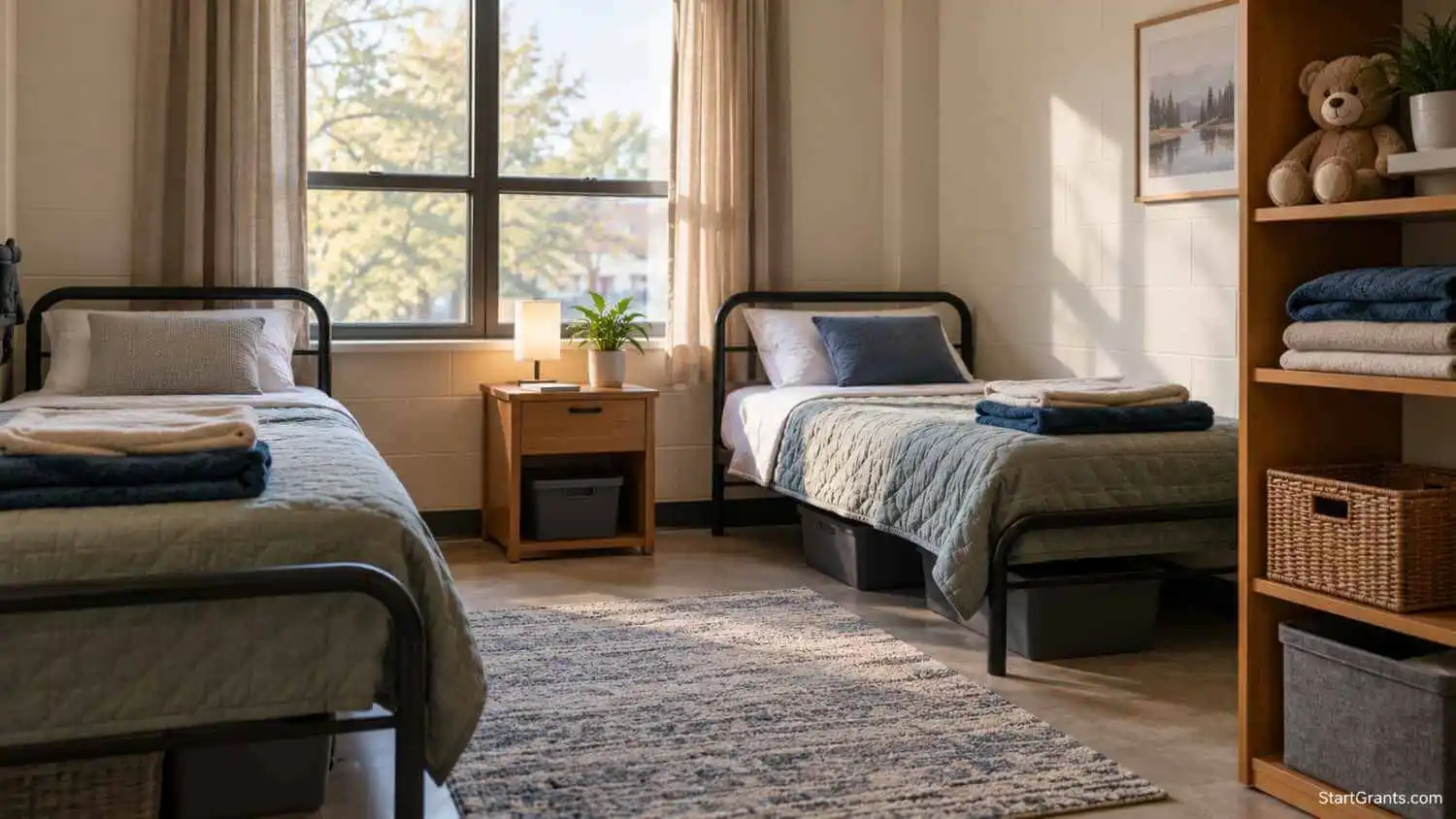
What to Do When Your Family Needs Shelter Tonight
If someone faces immediate danger or a medical emergency, call 911. For housing help, use 211’s local housing resources to find the appropriate intake agency. There is no single national application that guarantees emergency housing for every family.
- Describe the actual situation. Say whether you are outdoors, in a vehicle, leaving an unsafe home, staying temporarily with someone else, or facing eviction. Give your city or county and the number and ages of children.
- Ask for family placement. Explain who must stay together, including a single father, partner, teenager, or caregiver. Ask whether admission requires a referral, an appointment, or an assessment.
- Identify specific needs. Mention an infant needing a crib, pregnancy, mobility limitations, medication storage, or a child’s disability. Ask about reasonable accommodations and accessible communication. These needs should inform assessment; particular wording does not guarantee priority.
- Confirm the next step before traveling. Ask for the intake location, hours, transportation options, required documents, and whether a space is actually available or you are joining a waiting list.
- If the first option is full, ask for alternatives. Request another family provider, an after-hours contact, and instructions for updating your assessment if your situation changes.
You can say: “I am with my children, ages 4 and 15, and we have no safe place to sleep tonight. Who handles family shelter intake? Can the placement keep us together, and what should we do if there is no space?” Adapt this example truthfully to your household.
Hotel placements are generally arranged through local programs with their own eligibility, funding, and approval rules. Do not book a room assuming reimbursement. Our guide to emergency motel and hotel vouchers explains that process in more detail.
Keeping Parents and Children Together
A family shelter is not the same as a general adult shelter. Ask about household eligibility and sleeping arrangements before accepting a referral. Do not assume that a teenage child must enter an adult shelter alone.
Federal protections apply to particular funded programs:
- ESG-funded emergency family shelters: A child’s age, when the child is under 18, cannot be the basis for denying the family’s admission to a shelter covered by 24 CFR 576.102(b).
- Continuum of Care-funded projects: The age or gender of a child under 18 cannot be the basis for denying the family’s admission to a project covered by 24 CFR 578.93(e).
These rules do not create an available room or make every privately funded shelter a family program. If a provider says your teenager cannot stay, ask which program rules apply, request a supervisor’s review, and ask the referring agency for an appropriate placement for the whole household. A local legal-aid organization may help assess a denial.
Single fathers should specifically request a family program that accepts fathers with children. If a child has autism or another disability, describe the accommodation needed rather than assuming the diagnosis guarantees a private room or immediate admission.
Family Shelter Providers Worth Contacting
Family Promise: Check the Local Affiliate
Family Promise’s shelter models include congregational rotation, fixed-site shelter, and scattered-site arrangements. Not every affiliate moves families between churches. Use the Family Promise affiliate directory and ask about service area, intake, household eligibility, current openings, and how children get to school.
The Salvation Army: Services Differ by Location
The Salvation Army operates emergency and transitional housing services, but the national network includes different types of facilities. Confirm that the specific location serves families. Ask about arrival times, length of stay, any fees or savings requirements, meals, and family sleeping arrangements. There is no universal 8 a.m. intake rule or nationwide guarantee of a private family apartment.
Door of Hope: A Local Example in California
Door of Hope in Pasadena describes a transitional housing program for single mothers, single fathers, two-parent families, and domestic violence survivors with children. It provides private family units. This is a specific organization, not a nationwide category of shelter; contact it about its application requirements and availability.
If a parent has served in the military, mention that during intake and review our emergency lodging and housing assistance guide for veterans for the separate veteran assistance pathway.
Will Asking for Help Put My Children at Risk of Removal?
Homelessness does not by itself establish that a parent is neglecting a child. The federal Children’s Bureau’s brief on separating poverty from neglect explains why material hardship and neglect should not be treated as interchangeable. However, state laws and the facts of a child’s safety matter; no article can guarantee that a report, investigation, or court action will never occur.
Explain the steps you are taking to obtain safe shelter, food, supervision, and medical care. Keep referral details and relevant notices when safe to do so. Ask the agency what concrete support would address the concern. If CPS is already involved, or someone proposes a custody or separation agreement, seek advice promptly about your rights and obligations. The Legal Services Corporation’s legal-aid finder can help locate an organization; ask whether it handles your type of case.
If You Are Leaving Domestic Violence
Use a safer device if your phone or accounts may be monitored. The National Domestic Violence Hotline provides confidential support around the clock at 800-799-7233, through online chat, or by texting START to 88788. It provides safety planning and referrals, not direct hotel vouchers or cash.
Tell the advocate about every child, immediate threats, transportation needs, and any custody orders. Ask a local provider how it protects location information and whether it can accommodate your household. Do not assume that every shelter offers transportation, accepts every family configuration, or can eliminate every privacy risk.
Changing passwords or location-sharing settings can alert an abusive person. The Safety Net Project’s location-tracking guidance recommends considering safety before making changes. Work with an advocate on a plan that fits your situation, including children’s devices and shared accounts.
Keep Your Children Enrolled in School
Ask the school district for its McKinney-Vento homeless education liaison. School eligibility can include families temporarily sharing housing because of housing loss or economic hardship, as well as those in shelters, cars, or motels because they lack adequate alternatives. A housing program may use a different definition, so a shelter or rental-assistance denial does not automatically decide school eligibility.

Immediate Enrollment and Missing Records
Eligible children must be enrolled immediately even when normally required records are missing. This includes proof of residence, school records, birth certificates, and immunization or other health records. The school and liaison help obtain the missing information; an incomplete document folder should not leave the child waiting outside school. See the National Center for Homeless Education’s current enrollment guidance.
School of Origin, Transportation, and Disputes
School selection considers the child’s best interest, with a presumption favoring the school of origin and priority given to the parent’s or guardian’s request. Eligible students may remain there during homelessness and, when permanently housed during the academic year, through that year’s end. Request transportation to and from the school of origin through the liaison.
If there is a disagreement about eligibility, enrollment, or school selection, ask for the written decision and appeal instructions. Immediate enrollment protections apply during the dispute process. The NCHE school selection and best-interest guidance explains the framework.
Meals, Supplies, and Honest Address Information
Children identified as homeless are categorically eligible for free meals in participating federal school meal programs. Ask the liaison to coordinate the documentation with school nutrition staff. Also ask about supplies, uniforms, and barriers to school activities; do not assume every requested item is automatically funded. NCHE’s McKinney-Vento overview includes school meal eligibility.
Describe where you actually stay. If you are temporarily living with a friend, tell the liaison why and whether the arrangement is adequate and stable. A permitted mailing address is different from claiming a residence where you do not live. You do not need to invent an address to ask for help.
Cash Assistance and Help Moving Into Housing
Shelter, cash benefits, and rental assistance serve different purposes. Ask your caseworker which programs are accepting applications and what you must pay yourself.
| Option | Possible help | What to confirm |
|---|---|---|
| TANF or Tribal TANF | Cash assistance and related family services | Local eligibility, benefit amount, obligations, and processing time |
| Diversion assistance, where offered | Short-term help instead of ongoing cash assistance | Repayment conditions and effects on later benefits |
| California CalWORKs Homeless Assistance | Eligible temporary lodging, deposits, or rent arrears | County approval, limits, and CalWORKs eligibility |
| Rapid re-housing | Housing search, time-limited rental help, and case management | Referral criteria, availability, rent share, and end date |
Program availability, payment rules, and amounts can change. The sources below explain these options; the administering agency must confirm your family’s eligibility.

TANF and Diversion: Compare the Conditions
Temporary Assistance for Needy Families is administered through state programs, with separate Tribal TANF programs in participating communities. Benefits and rules vary. Ask the benefits office about emergency needs, required documents, and available help while your application is pending.
Some jurisdictions offer short-term diversion assistance. It is not a universal three-month payment. For example, Washington’s Diversion Cash Assistance requires repayment of a prorated portion if the family starts TANF within one year. Before choosing a lump sum, ask how it affects future eligibility, whether repayment could apply, and whether it fits your likely needs.
California Example: CalWORKs Homeless Assistance
CalWORKs Homeless Assistance serves eligible recipients and apparently eligible applicants who meet its homelessness or housing-risk requirements. Temporary assistance can cover up to 16 days once every 12 months, with exceptions. The published daily amount is $85 for a family of four or fewer, plus $15 per additional person, up to $145.
Permanent assistance may cover a security deposit and last month’s rent, or up to two months of rent arrears. Apply through the county welfare office using the required Homeless Assistance paperwork. Homelessness does not automatically waive CalWORKs eligibility rules; confirm approval and payment arrangements before committing to a room or lease.
Rapid Re-Housing: Plan Beyond the Subsidy
Rapid re-housing combines help finding housing, temporary rent or move-in assistance, and supportive services. HUD’s research on rapid re-housing documents substantial variation in assistance structures and duration. There is no universal promise of three or six months of free rent.
Ask your intake worker about referrals. Before signing a lease, get the covered expenses, your rent contribution, review schedule, and assistance end date in writing. Rental assistance is not an unrestricted personal grant, and you remain responsible for applicable lease obligations. Build a budget for the period after the subsidy ends.
Food, Diapers, Pregnancy, and Young Children
Tell your intake worker if your family needs food or infant supplies today. Ask about an available meal site or pantry while benefit applications are pending. For ongoing groceries, request a SNAP eligibility screening through your state’s benefits office and ask whether expedited processing applies.
WIC serves eligible pregnant, postpartum, and breastfeeding applicants, infants, and children under five. Income, residency, and nutrition-related requirements apply. Contact the local clinic about documentation when you lack a stable address. WIC provides specified foods and nutrition support; it does not guarantee all the formula a baby needs or provide diapers.
Use the National Diaper Bank Network directory to locate nearby providers. Ask whether you apply directly or need a referral and which sizes are available. Do not assume every shelter keeps diapers or formula in stock.
If you are pregnant, ask for prenatal care and a suitable housing referral. Pregnancy does not automatically guarantee a family shelter opening. Some maternity housing programs serve only particular age groups or household types; confirm whether existing children can stay too. For preschool-age children, ask a local Head Start or Early Head Start program about applying and available places.
For an infant’s sleep: Ask the shelter or lodging provider for a safety-approved crib, bassinet, or portable play yard with a firm, flat sleep surface. Place the baby on their back, with only a fitted sheet and no loose bedding or soft objects. The CDC recommends sharing a room without sharing a bed. Ask staff for help obtaining an appropriate sleep space.
A Muslim Perspective
Local mosques and Muslim charities may offer sadaqah-funded assistance or assess eligibility for zakat. Homelessness does not automatically determine a person’s zakat category. Explain the need honestly, ask about documentation and privacy, and consult a qualified scholar for a personal religious question.
ICNA Relief’s transitional housing page lists specific eligibility restrictions, including no male children over age 10 at its family facilities. It also distinguishes designated domestic violence locations. Confirm the local program’s current rules; do not assume it can accommodate every household or separate children to fit an unsuitable referral.
In Southern California, Access California Services lists emergency financial assistance that may include rent, motel vouchers, food, and transportation. Its community-funded assistance depends on available funds and eligibility. It is not a nationwide voucher program.
Ask whether support is a gift, direct vendor payment, or repayable assistance. If considering a loan, examine fees and repayment terms; a religious label alone does not explain the contract. You can also ask a shelter about food and prayer needs without assuming a particular accommodation is available.
Frequently Asked Questions
Will CPS take my children because we are homeless?
Homelessness alone does not establish neglect, but state law and the circumstances affecting a child’s safety matter. No provider can promise that an investigation will never occur. Ask for concrete family support and seek legal advice if there is a child-welfare concern.
Can my teenage child stay with me in a family shelter?
Ask for a placement that serves your entire household. Specific ESG-funded family shelters cannot deny a family solely because of the age of a child under 18, and covered Continuum of Care projects have an age-and-gender protection. These rules do not guarantee a vacancy at every shelter.
Can my child attend school while we stay with friends?
Possibly. Temporarily sharing housing because of housing loss or economic hardship can qualify under McKinney-Vento, depending on the circumstances. Describe your actual living arrangement to the school district’s homeless education liaison instead of inventing a residential address.
Does a child’s disability guarantee faster shelter placement?
No. Explain the child’s specific needs and request appropriate accommodations. Placement depends on the program’s assessment, eligibility rules, and available suitable space; a diagnosis does not automatically guarantee a private room or immediate admission.
Where can I ask for diapers or infant formula?
Contact local diaper-bank partners, WIC, and your shelter or family service provider. Ask about eligibility, referrals, and current supplies. Diapers are not a WIC benefit, and WIC does not necessarily cover an infant’s entire formula needs.
Can a domestic violence shelter keep our location private?
Ask the provider about its confidentiality practices and work with an advocate on an individual safety plan. No service can guarantee that every tracking or disclosure risk disappears. Consider safety before changing shared accounts or location settings.
Are family shelters and transitional housing always free?
Costs and program requirements vary. Ask about fees, rent contributions, required savings, and refund or return rules before admission. Do not assume that every shelter charges nothing or that every savings requirement is refundable.
Can I receive a hotel voucher immediately?
A local agency must confirm eligibility, funding, room availability, and authorization. Calling 211 or completing an assessment does not guarantee a voucher or a particular number of nights. Ask what alternative family placement is available if lodging cannot be arranged.
Disclaimer: StartGrants.com is an independent information portal, not a shelter, benefits agency, or housing placement service. This article provides general information, not individualized legal or medical advice. Confirm eligibility, availability, costs, and current rules directly with the administering provider. Consult a legal-aid professional about legal disputes and a healthcare professional about medical needs.




Hello. I just want to know if there is any help with shelters or motel vouchers and how to apply for. There is a family who is homeless in Morris county,NJ and the lady is 6 months pregnant. They had applied for some county program, but they said there is nothing available.