Last Updated: May 2026 | Author: Zee
When most people think of helping homeless pets, they envision writing a check or dropping off a heavy bag of kibble at the front desk. While cash is undeniably the lifeblood of any non-profit, the reality is that many animal lovers are currently operating on tight personal budgets. The good news is that philanthropy is not exclusively reserved for the wealthy.
As we outlined in our complete guide to animal rescue and shelter donations, modern non-profit organizations have evolved to accept a massive variety of assets, services, and creative contributions. If your checking account is empty but your heart is full, you possess assets that rescue organizations desperately need.
In this 2026 guide, we will break down the 6 most surprising ways to donate to an animal shelter, proving that your old junk, your spare time, and your professional skills can directly save lives.
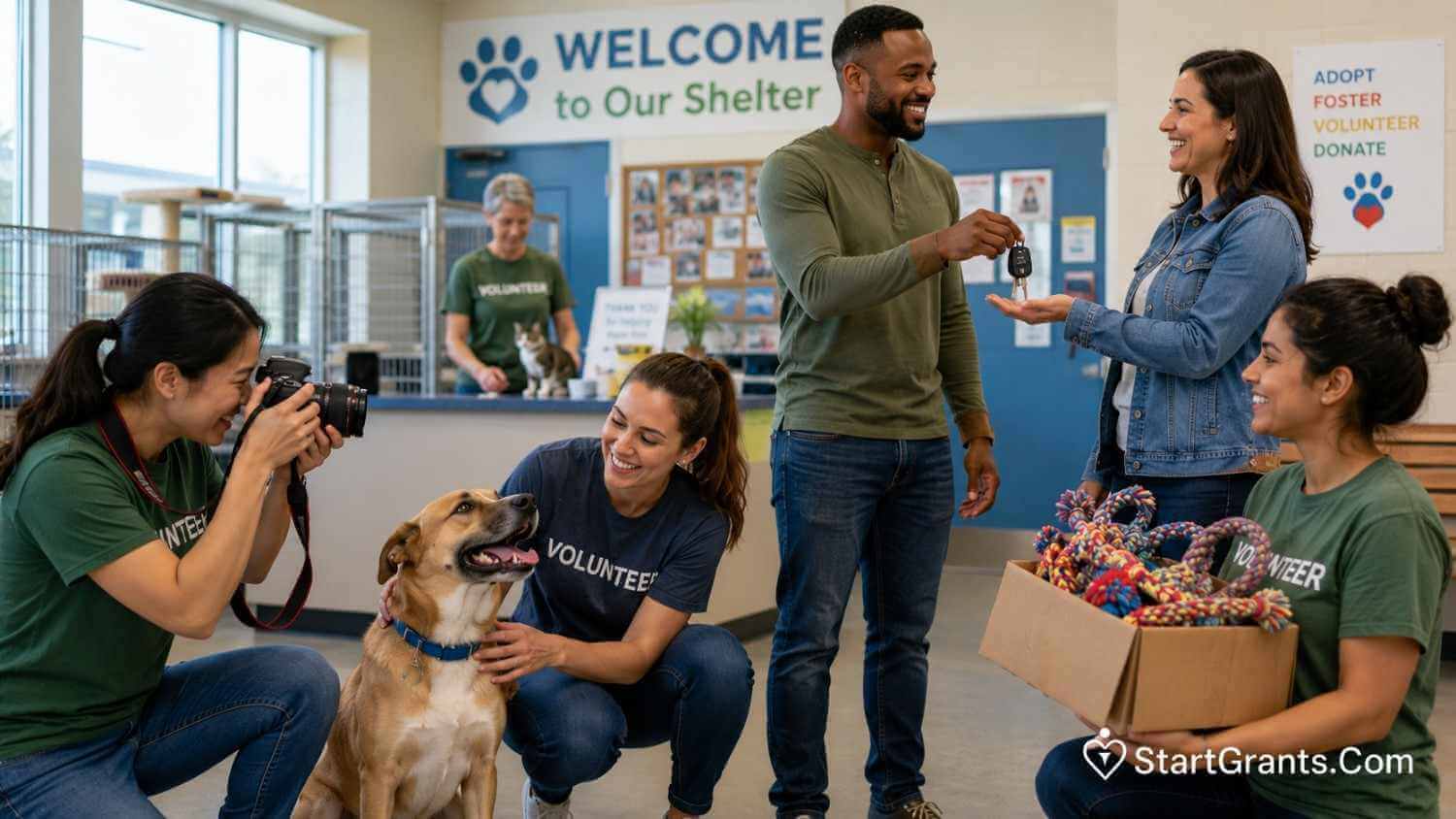
Giving back to your local rescue organization doesn’t always require writing a check. Your time, assets, and professional skills are incredibly valuable.
Phase 1. Donate an Old Vehicle (Cars, RVs, and Boats)
Do you have an old sedan sitting in your driveway with a blown transmission? You might assume it is worthless, but to an animal shelter, that junk car is a goldmine. Many major animal welfare organizations, such as the Humane Society of the United States, partner with specialized vehicle liquidators to process auto donations.
- How it works: You fill out a form, a commercial tow truck picks up your broken vehicle for free, and the car is sold at a wholesale auction. The scrap or resale value is deposited directly into the shelter’s bank account.
- The Benefit: You get a massive, heavy item removed from your property for free, and you receive an IRS Form 1098-C to claim a tax deduction for the exact sale price of the vehicle.
Phase 2. Donate Stock Portfolios and Cryptocurrency
Writing a cash check out of your bank account is actually one of the least tax-efficient ways to donate. In 2026, progressive animal shelters have partnered with modern financial processors to accept direct transfers of appreciated assets like stocks, bonds, and even Bitcoin.
- The Tax Loophole: If you sell a highly profitable stock to give the cash to a shelter, you have to pay Capital Gains tax on that profit. However, if you transfer the shares directly to a 501(c)(3) shelter’s brokerage account, you pay absolutely zero capital gains tax, and you get to deduct the full market value of the stock on your tax return.
Phase 3. Crafting DIY Toys and Enrichment Items
Shelter life is incredibly stressful for animals. The loud noises and confinement often lead to severe anxiety, which makes them less adoptable. Shelters constantly need “enrichment items” to keep the animals mentally stimulated, but purchasing retail toys is too expensive.
- The Donation: You can donate your labor by crafting items at home. Cut old t-shirts into strips and braid them into sturdy dog tug-toys. Take empty toilet paper rolls, fold the ends, and hide catnip inside for the feline room. If you enjoy woodworking, building a sturdy outdoor cat shelter for feral colonies is a massive contribution.
Phase 4. Fostering (Donating Your Space and Time)
The single biggest crisis facing animal shelters today is a lack of physical kennel space. When the cages are full, perfectly healthy animals are placed on the euthanasia list simply because there is nowhere to put them.
- The Donation: By donating a spare bathroom or a corner of your living room to foster a dog or cat for just two weeks, you instantly save two lives: the animal you took into your home, and the animal who gets to take their empty cage at the shelter. The rescue usually covers 100% of the food and medical costs; you just provide the love and the roof.
Phase 5. Pro-Bono Professional Services (Digital Marketing & Photography)

Donating your professional digital marketing and web development skills can exponentially increase a shelter’s online visibility and adoption rates.
Animal rescues are usually run by incredible veterinarians and passionate animal handlers—not tech experts. They desperately need professional corporate skills to survive in the digital age.
- Digital Marketing & SEO: If you are a digital marketer, you can donate your expertise in Search Engine Optimization (SEO) or content clustering to overhaul their website. By organizing their adoption pages and optimizing their regional keywords, you can drive massive organic traffic to their available pets. Similarly, managing their Meta Ads or setting up an affiliate marketing funnel for their merchandise can secure them passive income.
- Professional Photography: A blurry, dark photo of a black dog sitting behind chain-link fences will keep that dog in the shelter for months. If you are a photographer, donating an afternoon to take high-quality, bright, and happy portraits of the animals is proven to drastically reduce the time they spend waiting for a home.
Pro-Tip: The Power of a Photo
Do not underestimate the power of your professional skills. Watch this incredible video showing how a professional photoshoot transformed the adoption rates at a struggling county shelter:
Phase 6. The Targeted “Amazon Wishlist” (Strategic Buying)
If you prefer to buy physical items rather than crafting or giving cash, you must stop guessing what the shelter needs. Dropping off random items often creates a sorting nightmare for the volunteers. Instead, donate strategically.
- The Donation: Almost every modern shelter maintains an updated Amazon Wishlist or Chewy Wishlist on their website. This list is populated in real-time by the kennel managers based on their exact daily shortages (e.g., they might be desperate for kitten milk replacer today, but have too many blankets). You buy the item online, and it ships directly to their loading dock. To understand the baseline physical items that are universally accepted, review our guide on the 12 necessary things to donate to animal shelters.
The Muslim Perspective: Sadaqah Through Action
For Muslim donors, the concept of charity is beautifully expansive. Sadaqah is not limited to financial transactions. The Prophet Muhammad (PBUH) taught that even removing a harmful object from the road is charity.
When evaluating these surprising donation methods, the Islamic bioethical perspective focuses heavily on intention (Niyyah) and action. Fostering a vulnerable animal to protect it from the cold, or using your professional digital marketing skills to help a non-profit secure funding, are active, physical manifestations of Rahmat (mercy). Because these actions provide tangible relief to living creatures, they are highly rewarded and serve as powerful forms of non-monetary Sadaqah.
Conclusion: Leverage Your Unique Assets
The operational costs of animal shelters are staggering, but cash is only one piece of the puzzle. By looking at your life through a philanthropic lens, you will find that your old car, your stock portfolio, your spare bedroom, and your professional marketing skills are all high-value currencies in the rescue world.
Stop waiting until you have a surplus of cash to make a difference. Call your local shelter, ask them where their operational gaps are, and leverage your unique assets to save lives today.
Frequently Asked Questions (FAQs)
Q1: Do animal shelters accept old clothing or shoes?
A: No. Shelters cannot use old clothing, jeans, or shoes for the animals. However, flat textiles like old bath towels, flat bed sheets, and fleece blankets are desperately needed for bedding and cleaning.
Q2: How do I know if my stock donation to a shelter is tax-deductible?
A: The shelter must be officially registered as a 501(c)(3) organization. If they are, transferring appreciated stocks directly to them allows you to deduct the Fair Market Value of the stock on the day of the transfer, and you avoid paying Capital Gains tax.
Q3: Is fostering a dog totally free?
A: In most cases, yes. Legitimate rescues will provide you with the dog’s food, a crate, a leash, and they will cover 100% of the veterinary bills. You are only expected to provide shelter, basic training, and transportation to vet appointments or adoption events.
Q4: Can I deduct the value of my time if I provide pro-bono professional services?
A: No. According to the IRS, you cannot deduct the value of your time or services (e.g., you cannot bill the shelter $100/hour for your SEO services and then deduct that on your taxes). However, you can deduct any out-of-pocket expenses you incurred while providing those services (like buying a specific software plugin for their website).
Q5: Is it considered Sadaqah Jariyah if I build an outdoor shelter for stray cats?
A: Yes! Sadaqah Jariyah translates to “continuous, flowing charity.” If you build a sturdy, wooden winter shelter for feral cats, you will continue to receive spiritual rewards for as long as that structure stands and provides protection and warmth to God’s creatures.
Important Disclaimer: StartGrants.com is an independent information portal. We are not a government agency, animal shelter, or tax advisory firm. Always verify a rescue’s 501(c)(3) status and consult with a certified CPA regarding non-cash charitable deductions on your personal tax returns.