Last Updated: May 2026 | Author: Zee
When the public thinks of humanitarian crises, images of natural disasters or children in need often dominate the media. However, one of the most severe and rapidly growing crises in the United States today is entirely silent: the explosion of elderly poverty and isolation. As the cost of living and medical care skyrockets in 2026, millions of senior citizens find themselves trapped on fixed incomes that can no longer cover their basic survival needs.
As we established in our overarching guide to community and humanitarian relief donations, protecting the most vulnerable members of society requires targeted, strategic philanthropy. The generation that built our modern world is now struggling to afford groceries, heating bills, and life-saving prescriptions.
If you are ready to make a tangible impact, this guide will show you exactly how to donate to save the elderly, which non-profits are doing the most effective work on the ground, and the profound Islamic obligation to honor and protect our seniors.
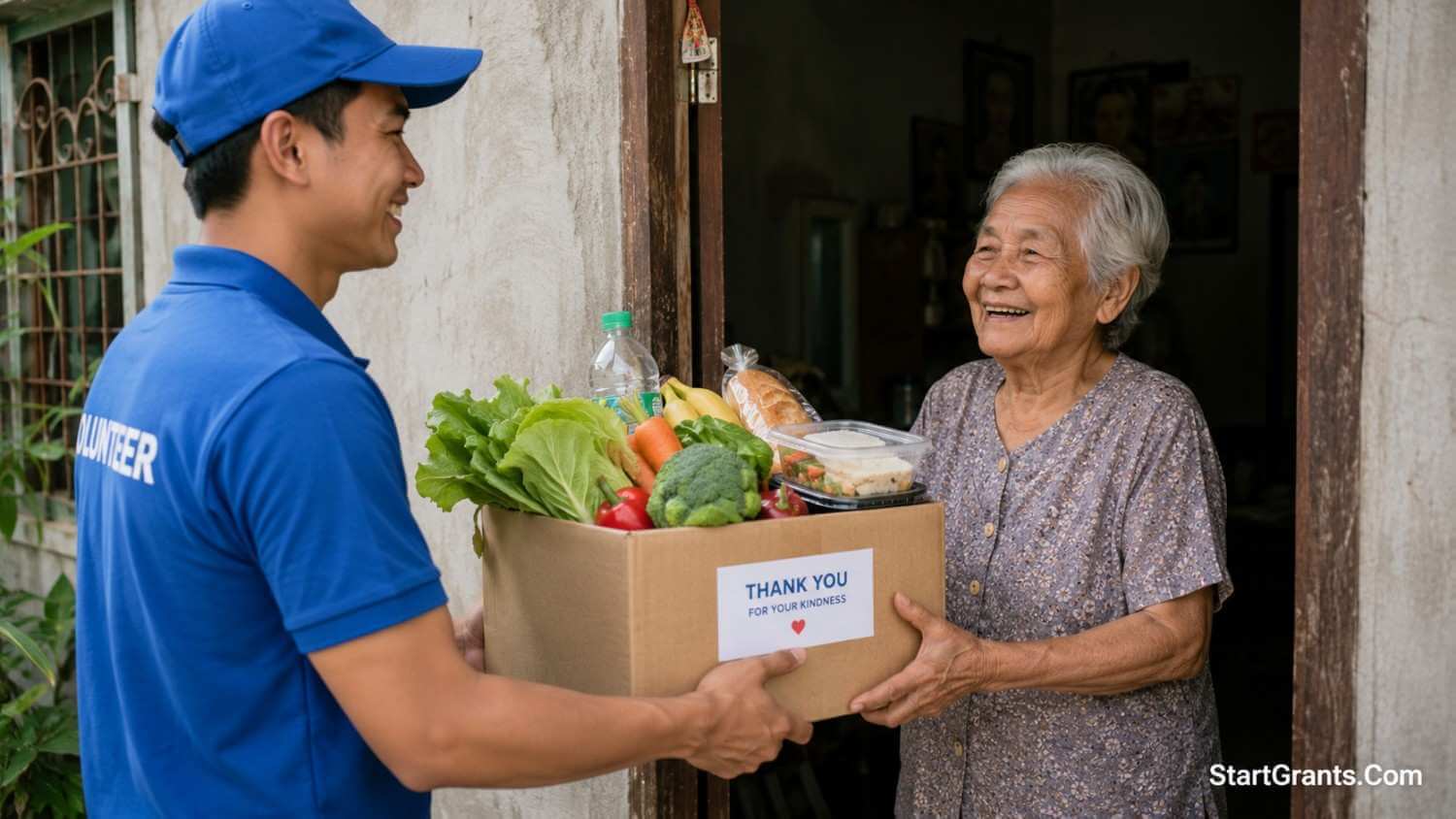
Donating to senior-focused charities ensures that the elderly population receives vital nutrition, medical support, and a connection to the outside world.
Phase 1: The Silent Crisis of Aging
To donate effectively, you must first understand what you are fighting against. The elderly face a unique set of challenges that differ wildly from other vulnerable demographics.
- Food Insecurity: A shocking number of seniors are forced to make the daily, agonizing choice between paying for their heart medication or buying groceries.
- Lethal Isolation: According to gerontology experts, severe social isolation and loneliness are as damaging to a senior’s physical health as smoking 15 cigarettes a day. Isolation accelerates cognitive decline and severe depression.
- Mobility and Independence: Without the physical strength to drive or navigate public transit, many seniors become prisoners in their own homes, entirely cut off from community resources.
Pro-Tip: The Reality of Isolation
To truly understand why your financial support is critical, watch this brief look into how programs designed for seniors do more than just deliver food—they deliver a lifeline of human connection:
Phase 2: The Best Ways to Donate Financially
If you have the financial means, donating cash to highly vetted, specialized 501(c)(3) organizations is the fastest way to save an elderly person in crisis. Here are the top sectors to direct your funding in 2026:
1. Nutrition Programs (Meals on Wheels)
Meals on Wheels America is arguably the most vital senior charity in the country. By donating to their national fund or your local chapter, you are subsidizing the cost of delivering hot, nutritious meals directly to homebound seniors. Just as importantly, the volunteer making the delivery serves as a daily wellness check, ensuring the senior is safe and healthy.
2. Medical Debt and Prescription Relief
Medicare does not cover everything. Organizations like the Patient Advocate Foundation or specific localized funds help seniors pay for life-saving medications, co-pays, and vital medical equipment (like oxygen tanks and hearing aids) that they otherwise could not afford on a fixed Social Security income.
3. Utility and Housing Assistance
During the freezing winter months or blistering summer heatwaves, seniors are at a high risk of hypothermia or heatstroke because they turn off their climate control to save money. Local Community Action Agencies heavily rely on private donations to fund emergency utility grants, keeping the heat on for elderly residents.
Phase 3: Donating Physical Goods and Time
If you cannot write a large check, your physical donations and your time are equally valuable to nursing homes, assisted living facilities, and senior centers.
What to Donate (Physical Items):
Before dropping off items at a local nursing home, always call the activities director first. The most commonly requested items include:
- Unopened Incontinence Supplies: Adult diapers and bed pads are incredibly expensive and rarely covered by standard insurance.
- Mobility Aids: Gently used wheelchairs, walkers with seats, and shower chairs are always in high demand.
- Entertainment: Large-print books, simple puzzles with oversized pieces, and classic movie DVDs help keep their minds active.
- Comfort Items: Grip-socks (to prevent falls), lap blankets, and unscented lotions for thinning skin.
Donating Your Time:
The cure for isolation is human presence. Volunteering to play board games, read aloud, or simply sit and listen to a senior’s stories for an hour a week can drastically improve their psychological well-being.
Phase 4: The Muslim Perspective (Honoring the Elders)
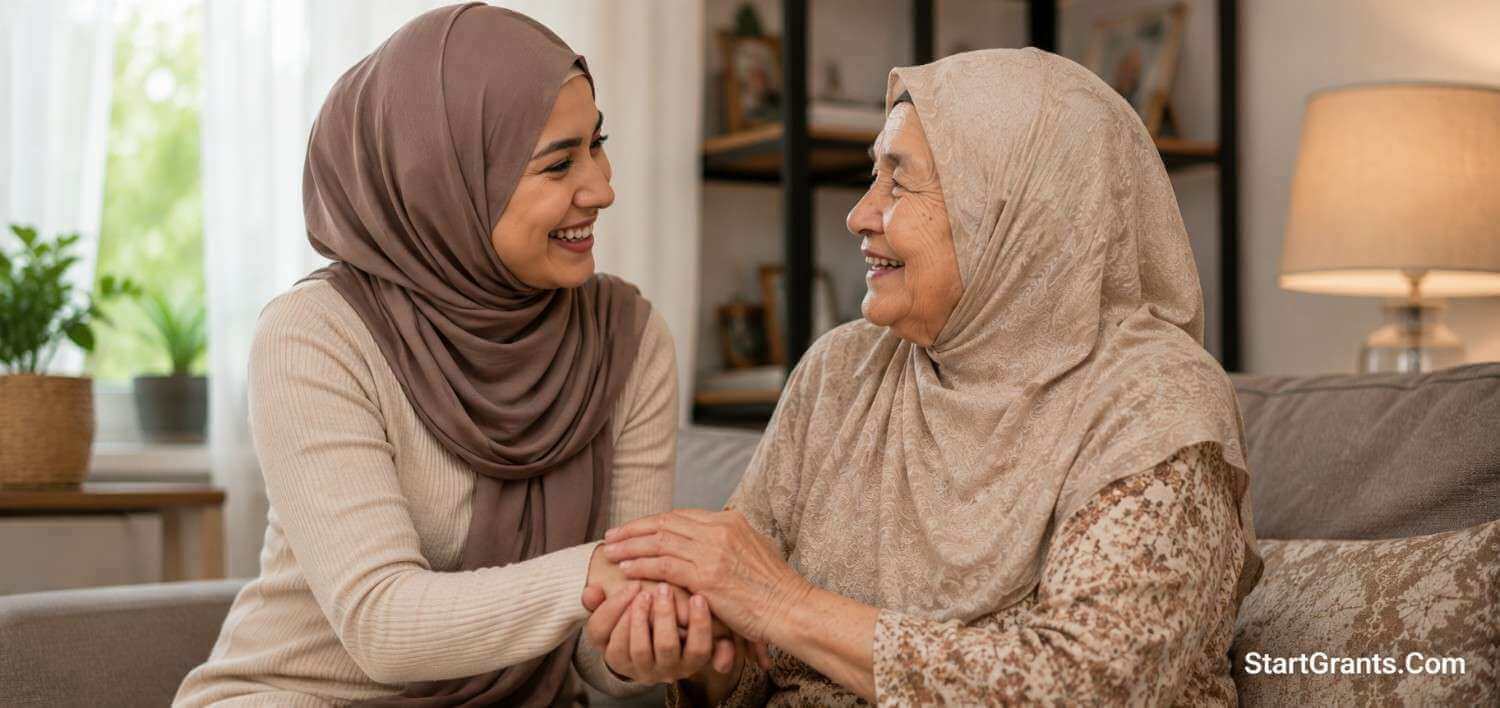
In Islam, honoring the elderly is directly tied to one’s faith. Providing financial and emotional support to vulnerable seniors is considered a highly rewarded form of Sadaqah.
For Muslim donors, protecting and honoring the elderly is not merely a philanthropic choice; it is a fundamental pillar of Islamic ethics. In a society that often idolizes youth and discards the aging, Islam demands absolute reverence for senior citizens.
The Status of the Elderly in Islam
The Prophet Muhammad (PBUH) explicitly tied the treatment of the elderly to the core of Islamic faith, stating: “He is not one of us who does not show mercy to our young ones and respect to our elders.” Furthermore, another Hadith states, “Part of glorifying Allah is showing respect to a gray-haired Muslim.”
Birr al-Walidayn and Sadaqah
While the Qur’an constantly emphasizes Birr al-Walidayn (goodness and dutifulness to one’s own parents), this mercy extends to the elderly in the broader community. Just as Islam places immense spiritual value on supporting the youth—which we cover extensively in our guide on the most meaningful things to donate to orphans—using your Halal wealth to sponsor a senior citizen, pay for their medical care, or provide them with food is a massive act of Sadaqah.
You do not need to build a mosque to earn Paradise. Ensuring that an elderly widow does not go to sleep hungry or cold is one of the fastest paths to earning the pleasure of Allah.
Phase 5: Avoiding Senior Charity Scams
Unfortunately, scammers actively prey on the empathy of donors who want to help the elderly. To ensure your money is actually saving seniors, you must vet the organization.
- Check the IRS Status: Always verify that the charity is a registered 501(c)(3) using the IRS Tax Exempt Organization Search tool.
- Use Watchdogs: Run the charity’s name through Charity Navigator or the Better Business Bureau (BBB) Wise Giving Alliance. A transparent charity will spend at least 75% of its budget directly on programs for the elderly, not on administrative salaries or fundraising telemarketers.
Conclusion: Protecting Our Foundation
A society is judged by how it treats its most vulnerable members. By choosing to donate to save the elderly, you are providing dignity, nutrition, and comfort to a generation that can no longer fight for themselves.
Whether you are funding a local Meals on Wheels route, dropping off essential mobility aids at a nursing home, or fulfilling your Islamic duty of Sadaqah by honoring a senior, your contribution serves as a powerful lifeline against poverty and isolation. Do your research, give generously, and ensure no senior is left behind.
Frequently Asked Questions (FAQs)
Q1: Are donations to Meals on Wheels tax-deductible?
A: Yes. Meals on Wheels America and its network of local community programs are registered 501(c)(3) non-profit organizations. Any financial contribution you make to them is fully tax-deductible on your federal tax return.
Q2: Can I donate my old medications to the elderly?
A: No. It is illegal to donate prescription medications to individuals or directly to nursing homes. However, some states have specific “drug repository programs” where sealed, unexpired medications can be legally donated to state-run pharmacies for low-income patients. Always consult your local Department of Health.
Q3: What is the best way to help a lonely senior in my neighborhood?
A: The best donation is your time. Introduce yourself, offer to mow their lawn, shovel their driveway in the winter, or pick up their groceries. These small, free acts of kindness provide them with a critical safety net and daily human interaction.
Q4: Is it Halal to use Zakat funds to help elderly non-Muslims?
A: Obligatory Zakat is traditionally reserved for eligible Muslims in need. However, voluntary charity (Sadaqah) has no religious boundaries. Providing food, shelter, or financial support to an elderly non-Muslim living in poverty is completely Halal and highly rewarded in Islam.
Q5: Do nursing homes accept used clothing donations?
A: Many state-run or low-income nursing homes will accept gently used, comfortable clothing (like sweatpants, cardigans, and non-slip slippers) provided they are freshly laundered and have no missing buttons or broken zippers. Always call the facility’s administration desk before dropping items off.
Important Disclaimer: StartGrants.com is an independent information portal. We are not a charity, nursing home, or religious fatwa council. Always verify a charity’s 501(c)(3) status and consult with a certified CPA regarding charitable deductions on your personal tax returns.