
Last Updated: May 2026 | Author: Zee
When military service members return home, their battle often changes from a physical warzone to a deeply personal struggle. Transitioning back to civilian life can involve overcoming severe physical injuries, navigating the invisible wounds of Post-Traumatic Stress Disorder (PTSD), and facing the harsh economic realities of finding a new career. While the government provides fundamental benefits, immense gaps in care remain.
Veteran and military support donations serve as the critical safety net that catches our heroes when the system falls short. Whether it is providing a mortgage-free home to a double amputee, funding service dogs for PTSD management, or simply collecting old winter coats to fund advocacy programs, private philanthropy is essential.
Before deciding how to help, we highly recommend establishing your overall philanthropic strategy by reviewing our comprehensive guide to donations and fundraising. Once you understand the baseline mechanics of giving, you can use this sub-pillar to navigate the specific, highly targeted world of military charities.
The Hidden Frontline (Military Families): While direct veteran care is crucial, the families who support them often bear an invisible burden. Frequent relocations destroy the careers of military spouses, leading to staggering unemployment rates. Discover how the government and massive endowments fight this crisis by funding debt-free education and portable business models in our guide on Grants for Military Spouses.
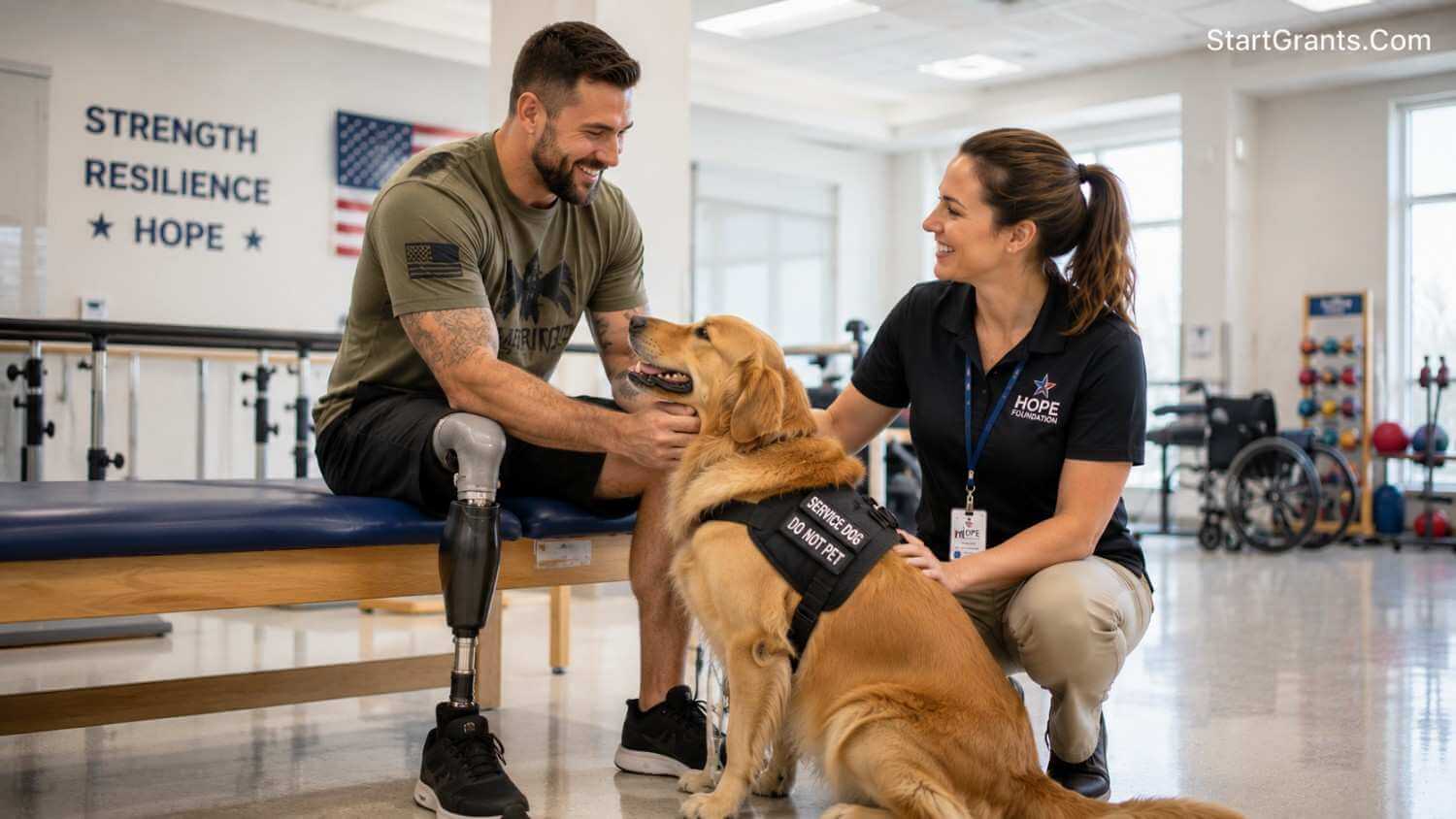
Veteran and military support donations provide critical financial and emotional resources to heroes transitioning back to civilian life.
Phase 1: Financial Support and Rehabilitation
Financial donations to military charities are typically directed toward immediate clinical and housing needs. Unlike older generations of veterans, post-9/11 service members are surviving catastrophic injuries at unprecedented rates due to advances in battlefield medicine. However, this means they require a lifetime of complex, specialized care.
Financial donations fund cutting-edge prosthetics, mental health retreats, and career placement services. One of the largest and most well-known organizations operating in this space is the Wounded Warrior Project (WWP).
- Action Step: While large organizations have massive reach, they also face intense public scrutiny regarding how funds are spent. Before writing a check, read our comprehensive 2026 breakdown on the Wounded Warrior Project donation process to understand exactly where your money goes.
Phase 2: Physical Goods and Household Donations
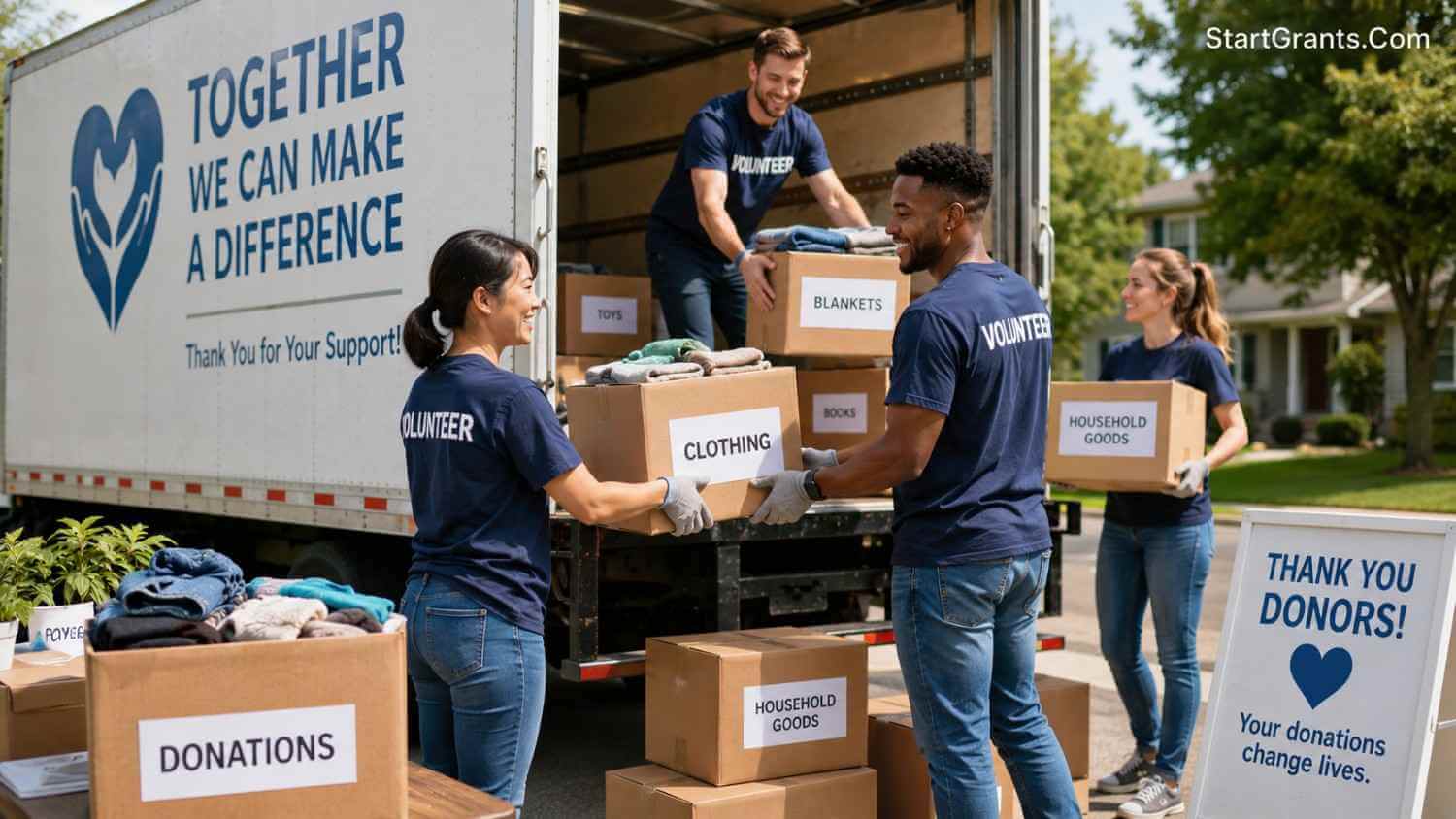
Not all military donations require cash. Donating unused clothing and household items generates massive funding for veteran advocacy programs.
Not everyone is in a financial position to write a $500 check, but nearly every household has a closet full of unused clothing or a garage full of old electronics. In the military charity sector, your clutter is incredibly valuable.
Several national veteran organizations operate massive logistical networks designed to collect your physical goods. These organizations pick up your items, sell them in bulk to private thrift store operators, and use the generated revenue to fund their core missions, such as lobbying Congress for better veteran healthcare benefits.
- Action Step: Want to declutter your home while helping a hero? Learn how to schedule a free, curbside pick-up and discover exactly what items are accepted in our guide to Vietnam Veterans of America donations.
Phase 3: Transparency and Avoiding “Patriotic Scams”
Because Americans hold deep respect for their military, scammers view patriotism as a vulnerability to be exploited. Fraudulent organizations frequently use names that sound highly official (e.g., “The National Veterans Support Coalition”) and use high-pressure telemarketing tactics to steal millions of dollars annually.
To ensure your veteran and military support donations actually reach those who served, you must enforce strict transparency rules:
- Never Donate Over the Phone: Legitimate charities will never pressure you to give your credit card number to a cold-caller. Always hang up and donate directly through the organization’s official website.
- Verify the Charity: Before donating, search for the organization on independent watchdog platforms like Charity Navigator or the BBB Wise Giving Alliance. Ensure they are a registered 501(c)(3) tax-exempt non-profit and that the majority of their revenue goes to veteran programs, not fundraising costs.
Pro-Tip: Spotting Fake Military Charities
Scammers know that patriotic citizens are eager to help veterans, and they use emotional tactics to steal your money. Before you donate, read this important guide from consumer protection agencies on how to identify and avoid military charity scams:
Conclusion: A Civilian’s Duty
We may not all put on a uniform, but we all have the power to serve those who did. Whether you are funding an advanced prosthetic limb, paying for a service dog to help a veteran manage PTSD, or simply donating boxes of old clothing to fund legislative advocacy, your actions matter.
Choose your method of giving, verify the charity’s financial transparency to protect your investment, and dive into our specialized Tier 2 guides to execute your military philanthropy with precision.
Frequently Asked Questions (FAQs)
Q1: Are donations to veteran charities tax-deductible?
A: Yes, provided the charity is a legally registered 501(c)(3) or 501(c)(19) veterans’ organization. Whether you donate cash or physical goods (like clothing and furniture), you can claim a tax deduction. You must request and keep the official donation receipt for your IRS records.
Q2: What is the best way to avoid veteran charity scams?
A: Never give your credit card information to a telemarketer who calls you unsolicited. Always verify a charity’s legitimacy and financial efficiency using independent watchdog websites like Charity Navigator, GuideStar, or the Better Business Bureau before making any contribution.
Q3: Can I donate old military uniforms to charities?
A: It depends on the organization. Most general thrift-based charities (like Goodwill or VVA) will accept them as clothing donations. However, out of respect, many people prefer to donate historic or pristine uniforms to local military museums, VFW posts, or specialized military historical societies.
Q4: How do household donations help veterans?
A: Organizations like the Vietnam Veterans of America collect your donated clothing and household goods, then sell them in bulk to private thrift store operators. The revenue generated from these sales is used directly to fund their local community programs and national legislative advocacy efforts.
Important Disclaimer: StartGrants.com is an independent information portal. We are not a government agency, military organization, or charity. Always verify the current status and 501(c)(3) standing of programs with the providing organization before making financial contributions.