Last Updated: | Author: Munir Ardi
Grants for animal shelters can help eligible nonprofits and public agencies pay for specific animal welfare projects, but there is no universal government grant for starting or running a rescue. Match your organization, location, species, and proposed expenses to a funder’s current rules. Some awards support adoption or veterinary services; others cover disaster response or facility improvements.
This guide focuses on U.S. organizations seeking funding. For the broader mix of giving, volunteering, and fundraising options, see our animal rescue and shelter donations guide.
Choose the Right Type of Shelter Funding
A cash grant, a donated shipment of food, and a municipal service contract are different funding arrangements. Understand what you are accepting before including it in your budget.
- Project or operating grant: An award for approved expenses, activities, or organizational support. Use restrictions and reporting requirements depend on the agreement.
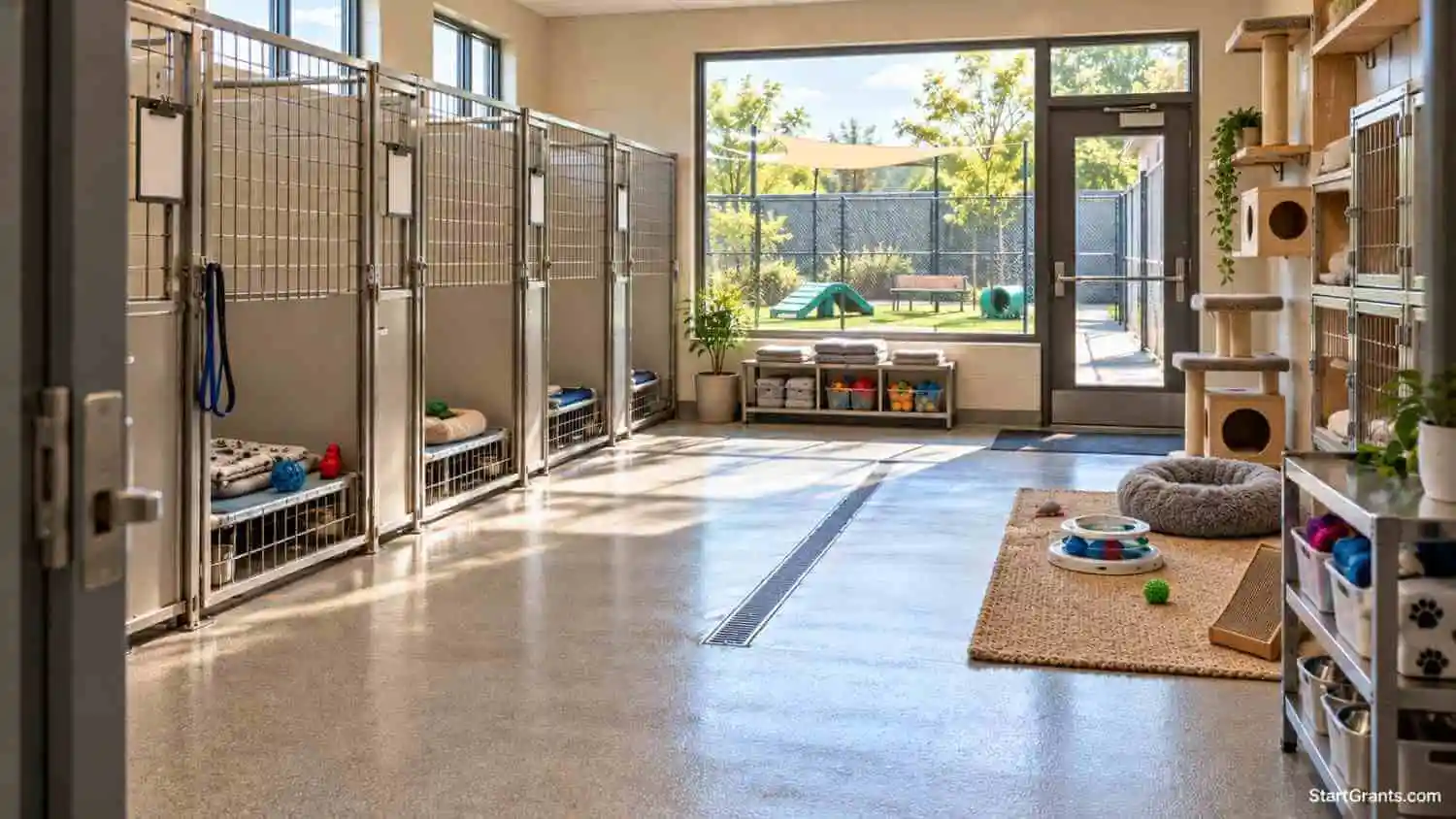
- Capital grant: Funding specifically allowing construction, renovations, or equipment. A funder that supports shelters does not necessarily fund buildings.
- In-kind support: Donated goods or services rather than spendable cash. Delivery, storage, expiration dates, and suitability still matter.
- Government contract: Payment for agreed services, such as animal control or sheltering. It is not a charitable grant.
- Loan: Borrowed money with repayment obligations. Do not count it as grant income.
Public donations can also carry restrictions. For example, money accepted specifically for a feline isolation room should not be treated as unrestricted food money. If a project changes, check the agreement and request any required written approval before moving funds.
Animal Shelter Grant Programs and Current Status
Use this table to narrow your search, then read the linked program rules. An organization accepting partner registrations is not necessarily accepting grant applications.
| Program | Potential fit | Status and next step |
|---|---|---|
| PetSmart Charities | Companion-animal adoption, veterinary access, and qualifying disaster projects. | Adoption Growth’s September 8–October 2, 2026 window has closed. Disaster Response is listed as open for qualifying declared disasters; other categories have separate requirements. |
| Petco Love | Sheltering, adoptions, access to care, and disaster relief. | Animal Welfare Organizations: February 1–March 31, 2026, closed. Access to Care: September 1–30, 2026, closed. Disaster Relief is listed year-round. Check the relevant category and Partner Portal. |
| ASPCA grant opportunities | Specific shelter, veterinary, cruelty-response, and other animal welfare initiatives. | The 2026 Grants for Shelters and Spay/Neuter Clinics program is listed under recently closed grants. Other open opportunities have narrower purposes; they are not a general shelter application. |
| American Humane Society Second Chance Grants | Eligible medical expenses for animals affected by abuse, cruelty, or neglect at qualifying 501(c)(3) shelters and rescues. | The official page provides an application route. Confirm available funds and reimbursement requirements. The separate Trupanion-funded track has additional enrollment conditions. |
| New York Companion Animal Capital Fund, Round 8 | Eligible New York municipal and nonprofit shelter capital projects. | Closed: January 30, 2026, at 4 p.m. Applicants had to provide at least 10% of total project costs. Monitor the state for a new solicitation. |
Program windows, available funds, and eligibility can change. Closed rounds are included for planning, not as current application opportunities. A listed application route does not guarantee funding.
Check PetSmart Charities’ Capital and Applicant Restrictions
PetSmart Charities’ official grant FAQs identify eligible U.S. applicants as 501(c)(3) public charities and municipalities. Individuals and for-profit organizations are excluded. Its companion-pet focus does not include equine, livestock, farm-animal, or wildlife requests.
The same FAQs say it does not support traditional capital campaigns. Do not assume a new shelter building qualifies simply because your organization places adoptable pets. Ask about the exact expense under the specific grant category.
Prepare Petco Love’s Organizational Data
Petco Love asks partners to submit an annual data report for consideration. Follow the official application instructions to update your organization and select the appropriate funding window. Helping Heroes and pet cancer grants are invitation-only; a year-round listing does not remove that restriction.
What About the Meacham Foundation Memorial Grant?
The Meacham Foundation Memorial Grant historically supported shelter improvements and equipment. An archived New York State Assembly funding notice documents that purpose, but its old award limits and deadlines are not current application guidance.
A current 2026 application window could not be verified from an official program source. Treat Meacham as an unconfirmed lead, not an open construction grant. Ask American Humane Society whether the program is accepting applications before preparing a proposal around it. Its Second Chance program serves a different medical-expense purpose.
How Government Funding Works for Animal Shelters
Start with your state agriculture department, local government, and official grant or procurement notices. Confirm whether the opportunity is a grant, a service contract, or reimbursement for an approved activity. Eligibility may depend on registration, geography, municipal relationships, or the type of animals served.
New York’s closed capital-fund round illustrates a real state funding route. Its $10 million announcement described the entire round, not an award available to every shelter. Other states do not automatically offer an equivalent program.
FEMA Disaster Sheltering Is Not General Rescue Funding
FEMA’s Public Assistance Program and Policy Guide addresses eligible emergency sheltering, including disaster survivors’ household pets and service or assistance animals. For this emergency sheltering assistance, funding goes to legally responsible state, local, tribal, or territorial governments, which may arrange services with other organizations.
A rescue should coordinate with its local emergency management agency before assuming its costs will be reimbursed. Get the service scope, authorization, documentation requirements, and payment arrangement in writing. Routine rescue operations or an unsolicited expansion project do not become eligible merely because a disaster occurred.
Similarly, do not treat a USDA agency homepage as a general shelter grant application. A named federal funding notice must explicitly fit your applicant type, activity, and expenses.
Build a Proposal Around a Specific, Affordable Project
- Confirm organizational eligibility. Assemble your EIN, nonprofit determination or public-agency documentation, required registrations, and authorized applicant details. A startup or informal rescue should ask whether it qualifies; fiscal sponsorship works only if the funder permits that arrangement.
- Define the need. Use your own intake, adoption, veterinary, capacity, and expense records. Explain a concrete gap, such as inadequate isolation space or a backlog of eligible veterinary procedures.
- Choose measurable results. Describe the service you will deliver, the reporting period, and how results will be recorded. Do not invent success rates or promise outcomes beyond your control.
- Price the complete project. Obtain quotes. For construction, account for design, permits, installation, site control, and future operating costs. For microchips or medical equipment, include approved supplies and training where needed.
- Check exclusions and matching funds. Confirm whether payroll, transport, veterinary bills, building work, or equipment are permitted. Ask whether donated goods or volunteer hours count toward a required match.
- Plan payment and reporting. Identify advance versus reimbursement payments, eligible spending dates, receipts, reporting deadlines, and approval procedures for changes. Submit through the official route and retain the confirmation.
For example, a proposal for a feline isolation room should explain the existing capacity problem, proposed work, itemized costs, and operating plan. This is a project illustration, not a promised award amount or a claim that every funder covers construction.
Keep Donations and In-Kind Support in Your Funding Plan
Grant decisions and payments may take time. Avoid committing to expenses based only on an application. Maintain an operating budget supported by confirmed income, reserves, and realistic fundraising; seek the funder’s approval before changing an awarded project.
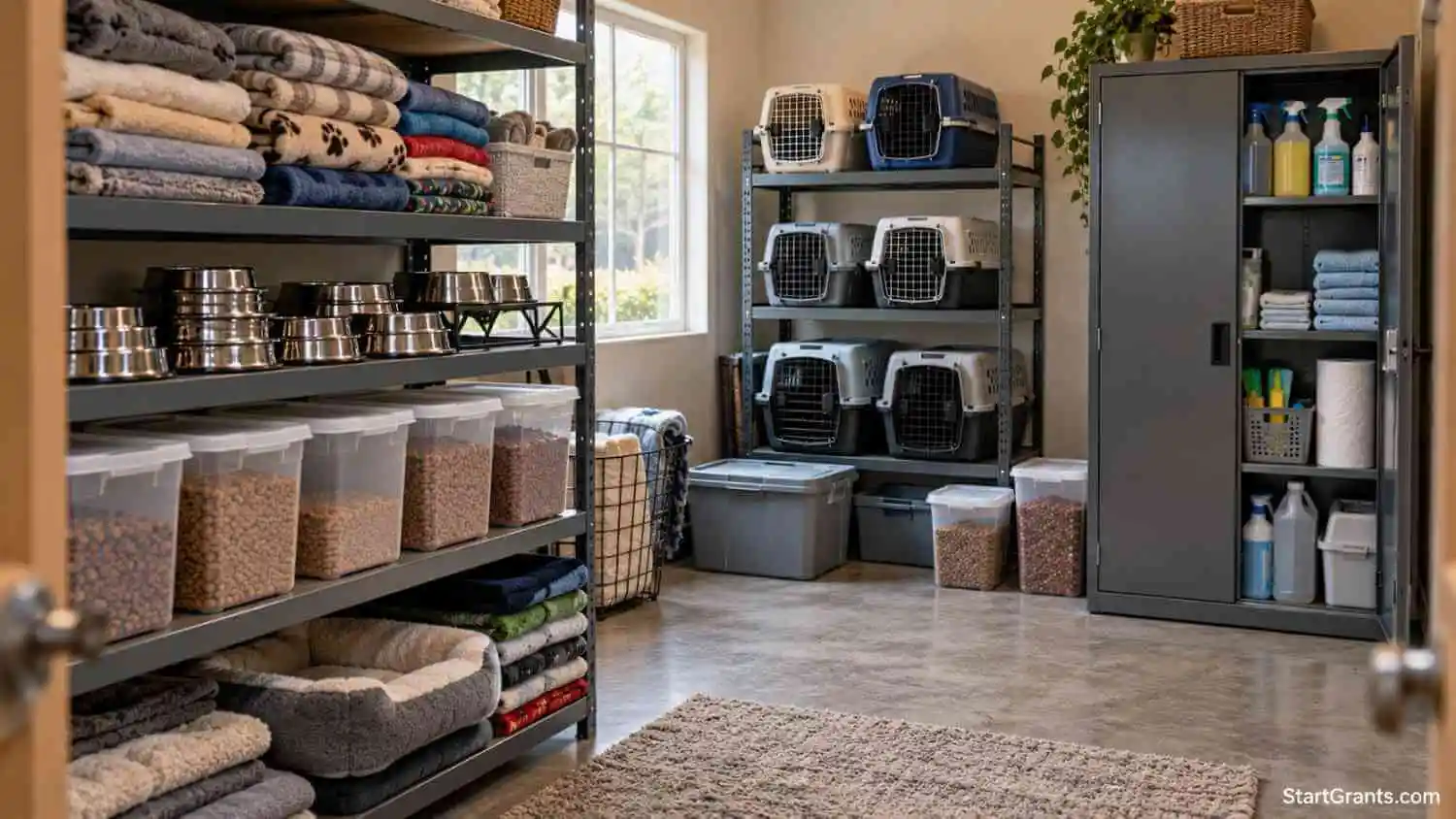
Donated food, bedding, cleaning supplies, or professional services can reduce costs, but they cannot pay every bill. Publish a current wish list and explain delivery arrangements. Our guide to useful supplies to donate to animal shelters can help shape that list.
For additional community participation, explore practical ways to support an animal shelter. These activities complement grants; they do not guarantee immediate emergency funding.
If you are seeking treatment for your own pet, organizational grant applications may not be the right route. Our guide to finding lower-cost veterinary care addresses that separate need.
A Muslim Perspective
For a Muslim-led rescue, careful stewardship includes honoring donor restrictions, keeping accurate records, and reviewing funding terms. Do not assume that every government award, financing arrangement, or insurance policy receives the same religious assessment.
Voluntary sadaqah may be part of a community fundraising plan. Before soliciting or accepting money labeled zakat, consult a qualified scholar about the proposed use and eligibility. Do not advertise an animal shelter as zakat-eligible without appropriate guidance.
If reimbursement creates a funding gap, consider available reserves, staged work, or a documented interest-free community loan, often called qard hasan. A loan remains repayable. Review any borrowing or insurance arrangement with appropriately qualified advisers; an award does not itself resolve those questions.
Frequently Asked Questions
Can an individual apply for animal shelter grants?
Many institutional programs require an eligible nonprofit or public agency. Individuals should check each program rather than assume they qualify. Personal veterinary assistance is a separate funding need.
Are government grants available to start an animal rescue?
There is no universal government startup grant for animal rescues. Specific state or local opportunities may exist, but applicant eligibility, location, permitted expenses, and current funding windows control access.
Is the Meacham Foundation Memorial Grant open in 2026?
A current 2026 application window could not be verified from an official program source. Confirm availability directly with American Humane Society before relying on this historical funding lead.
How much can an animal shelter receive?
There is no standard award amount. Use the current program rules and your documented project budget. A funder may award less than requested, and a total funding pool is not the amount available to each applicant.
Do animal shelter grants have to be repaid?
A grant is not a loan, but its agreement may require unused or improperly spent funds to be returned. Reimbursement awards also require you to cover approved expenses before receiving payment.
Can grants pay for a new shelter building?
Only programs that explicitly allow those capital costs should be considered. Confirm construction eligibility, matching funds, site control, permits, and continuing operating costs before applying.