
Last Updated: July 2026 | Author: Munir Ardi
Running an animal rescue organization is a mission fueled by profound compassion, but compassion alone cannot pay for emergency surgeries, facility expansions, or mountains of specialized pet food. Every year, millions of abandoned animals enter the U.S. shelter system. To prevent overcrowding and high euthanasia rates, these facilities require massive, sustained capital.
While local fundraisers and adoption fees keep the lights on, major structural growth relies entirely on securing grants for animal shelters. These large-scale capital injections from both the government and private foundations are the true lifeblood of the animal welfare ecosystem.
Before you begin applying for these massive grants, it is crucial to understand the baseline mechanics of how community funding operates at the grassroots level. Ensure your baseline knowledge is strong by reviewing our master pillar guide on Animal Rescue and Shelter Donations.
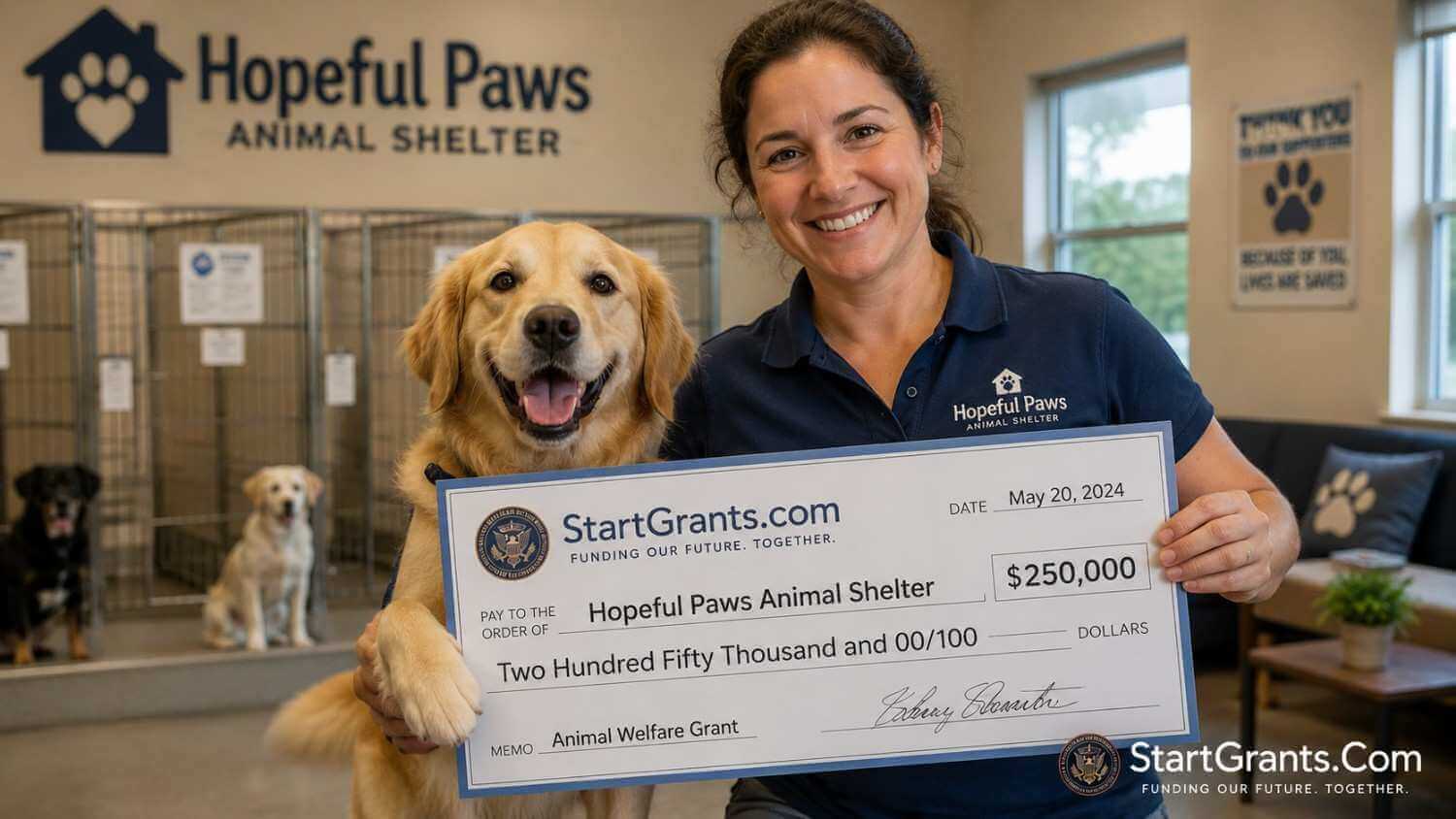
Securing major government and private grants allows animal shelters to expand their facilities, cover critical veterinary bills, and save countless lives.
Phase 1: The Difference Between Donations and Grants
Many first-time rescue directors confuse donations with grants. A donation is a voluntary gift from the general public, usually given without strict contractual oversight. You can use a $100 donation to buy dog food or pay a water bill based on immediate need.
A grant, however, is a highly structured, legally binding award given by a federal agency, a state government, or a massive private foundation. Grants range from $5,000 to over $500,000. They are rarely “unrestricted.” If you win a $50,000 grant specifically allocated to build a new feline quarantine wing, it is illegal to spend a single dollar of that money on general dog food.
Phase 2: Government Grants for Animal Welfare
Does the federal government actually fund animal shelters? Yes, but it is highly specific. Direct federal grants for everyday shelter operations are rare. Instead, government funding is typically triggered during crises or focused on public health safety (like rabies control).
- USDA APHIS Grants: The Animal and Plant Health Inspection Service (USDA) frequently offers grants focused on animal disease traceability, disaster response, and ensuring the safe transport of animals.
- FEMA Disaster Relief: During hurricanes or wildfires, FEMA provides massive grants to local municipalities to set up emergency animal housing to prevent public health crises.
- State & Municipal Grants: The vast majority of “government” funding for shelters comes from the local city or state level. Municipalities offer grants for spay/neuter initiatives (Trap-Neuter-Return or TNR programs) to reduce the stray population on their streets.
Phase 3: The Power of Private Foundations
Because government grants are often tied up in bureaucratic red tape and public health mandates, the true engine of animal welfare funding lies in the private sector. Billion-dollar foundations exist solely to distribute wealth to local 501(c)(3) animal rescues.
The Meacham Foundation Memorial Grant
One of the most sought-after specialized funds in the rescue world is the Meacham Foundation Memorial Grant, administered by the American Humane Society. Unlike many grants that only fund spay/neuter clinics, the Meacham grant is explicitly designed for capital improvements. This means shelters can use this specific money for facility construction, shelter expansion, or equipment purchases that directly impact animal welfare (such as upgrading HVAC systems to prevent kennel cough). If your shelter’s physical building is failing, this is the grant you must target.
Other Major Players
- PetSmart Charities & Petco Love: These corporate giants distribute millions annually, focusing on adoption events, disaster relief, and keeping pets with their families during economic hardships.
- ASPCA Grants: The ASPCA offers a wide array of funding, from emergency equine (horse) rescue to anti-cruelty initiatives.
Pro-Tip: Writing the Perfect Rescue Grant
Writing a grant proposal for an animal rescue requires specific strategies to stand out to foundations. To learn the exact step-by-step process for securing these crucial funds, watch this excellent guide on How to get grants for animal shelters and rescues:
Phase 4: Expanding Beyond Cash (In-Kind Funding)
A smart shelter director never relies solely on massive cash grants. Many foundations and corporations offer “In-Kind Grants,” which means they award goods instead of money. A pet food corporation might award a shelter 10 tons of premium kibble for the year. This effectively acts as a cash grant because it frees up the shelter’s existing budget.
To maximize this concept at the grassroots level, you must train your local community to provide the specific supplies your grants do not cover. Ensure your facility is stocked by understanding the 12 Necessary Things to Donate to Animal Shelters.
Phase 5: Filling the Grant Gaps (Community Action)
Grant applications take months to process. A proposal submitted in January might not yield a check until August. How does a shelter survive the waiting period? They must deploy creative community fundraising.
Building a robust community network ensures that when a severe medical emergency arrives—and you cannot wait 6 months for a grant approval—you have a backup plan. To learn how to execute these rapid-response tactics, explore our guide on the 6 Most Surprising Ways to Donate to an Animal Shelter.
Pro-Tip: Corporate Sponsorships vs. Grants
While waiting for grant approvals, local corporate partnerships can provide immediate financial relief. To learn how to successfully pitch your rescue mission to local businesses, check out this valuable masterclass on Nonprofit Fundraising Ideas: How to get Corporate Sponsorships:
Phase 6: The Muslim Perspective (Ihsan, Zakat vs. Sadaqah, & Riba)
For Muslims residing in the West, establishing or supporting an animal rescue is an act of profound religious virtue. Islam places a heavy emphasis on Ihsan (excellence and compassion) toward all living creatures. However, running a 501(c)(3) animal shelter requires navigating complex financial rules to ensure the organization remains Halal and spiritually pure.
Zakat vs. Sadaqah (The Ruling on Animal Charity)
A critical mistake made by some Muslim philanthropists is attempting to give their obligatory Zakat to an animal shelter. In Islamic jurisprudence, Zakat funds are strictly restricted to eight specific human categories (such as the poor, the needy, and travelers in distress) as outlined in the Quran (9:60). Zakat cannot be given to animals.
Therefore, a Muslim-run animal shelter must fund its entire operation through Sadaqah (voluntary charity), Waqf (endowments), or Hibah (government and private grants). Seeking out foundation grants is not just good business; it is essential to ensure the shelter’s funding sources remain Islamically valid.
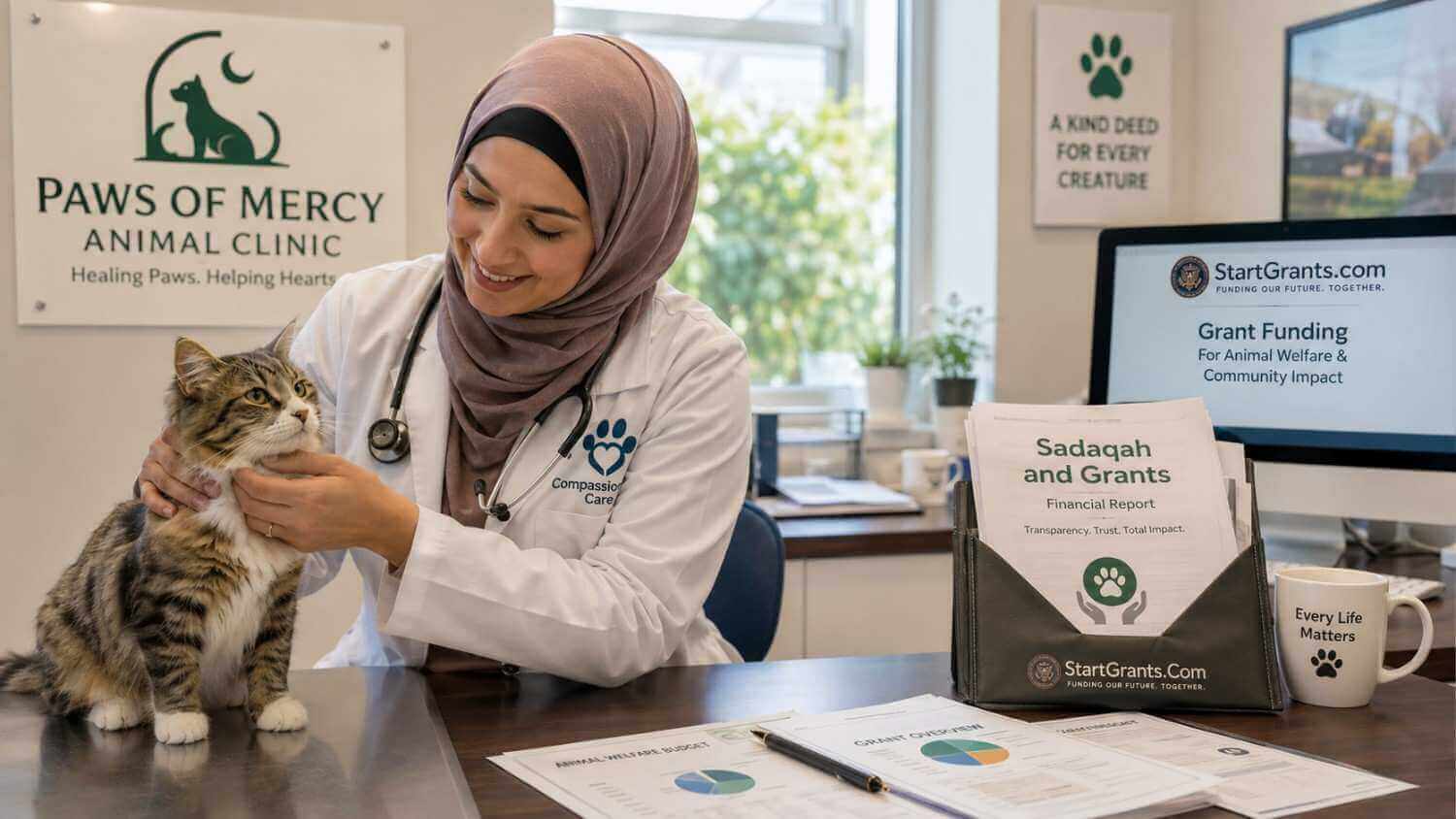
In Islam, caring for animals is an act of profound Ihsan. Muslim-run rescues must ethically fund their operations using Sadaqah and government grants (Hibah), as Zakat funds cannot be used for animals.
Avoiding the Riba Trap in Shelter Expansion
When a shelter secures a “reimbursement grant” (where the government pays the shelter back after the work is done), the shelter often faces a severe cash flow crisis. The Western standard is to take out a commercial “bridge loan” from a bank to build the new dog kennels, paying compounding interest while waiting for the grant check.
For a Muslim-run rescue, intentionally paying this interest is explicitly Riba, which is strictly Haram (forbidden). To maintain Halal operations, the rescue must reject commercial debt. They must instead build strong cash reserves from community Sadaqah, or seek Qard Hasan (zero-interest loans) from Muslim community members to float the construction costs ethically.
Navigating Gharar in Facility Insurance
Every major government and foundation grant will legally mandate that the animal shelter carries extensive Liability Insurance (e.g., to cover costs if a frightened dog bites a volunteer). Standard commercial insurance contains elements of Gharar (excessive uncertainty) and is fundamentally problematic in Islamic finance.
Muslim rescues should strive to find Takaful (Islamic cooperative insurance) to meet these federal mandates. If commercial Takaful for non-profits is unavailable in their state, Islamic scholars generally permit purchasing the minimum required commercial liability policy under the principle of Dharurah (legal necessity). This ensures the rescue can legally operate, receive grants, and continue saving lives without deliberately violating their faith.
Conclusion
Securing grants for animal shelters is the ultimate key to transforming a struggling local rescue into a powerful, life-saving institution. By strategically targeting municipal government programs, massive private endowments like the Meacham Foundation, and leveraging in-kind corporate gifts, shelters can expand their facilities and medical reach far beyond what simple donation jars can achieve.
For the Muslim community, running an animal shelter is a beautiful manifestation of Islamic mercy. By strictly separating Zakat from Sadaqah, aggressively pursuing Halal grant funding (Hibah), and actively avoiding the destructive trap of Riba-based loans during facility expansions, Muslim-run rescues can serve God’s creatures while maintaining absolute spiritual and financial integrity.
Frequently Asked Questions (FAQs)
Q1: Does the federal government give grants to local animal shelters?
A: Rarely for day-to-day operations. Federal government grants (like those from the USDA or FEMA) are usually targeted toward disaster relief, disease control, or agriculture. For daily operations, shelters must rely on state/municipal grants or massive private foundations.
Q2: What is the Meacham Foundation Memorial Grant used for?
A: Administered by the American Humane Society, the Meacham Foundation Memorial Grant is specifically designed for capital improvements. Shelters can use it for building expansions, kennel construction, or purchasing major facility equipment to improve animal welfare.
Q3: How much money do animal shelter grants usually provide?
A: It varies drastically. A local community grant for spay/neuter services might be $2,000, while a major capital expansion grant from a foundation like PetSmart Charities or the ASPCA can exceed $100,000.
Q4: Can I give my annual Zakat to an animal rescue?
A: No. In Islamic jurisprudence, Zakat is strictly reserved for eight specific categories of humans (such as the poor, the needy, and travelers). However, you are highly encouraged to support animal rescues using Sadaqah (general voluntary charity) or Waqf (endowments).
Q5: Is it Halal for an Islamic rescue to accept a government grant?
A: Yes. A government grant is classified as Hibah (a gift or public allocation) and does not require repayment with interest. It is completely Halal to use these funds to save and rehabilitate animals, provided the shelter does not engage in Riba (interest-bearing loans) while managing the project.