
Last Updated: May 2026 | Author: Robert

Don’t let this night pass without a roof over your head. Learn how to get an emergency voucher from an authorized agency.
Let’s be honest: The internet is full of misleading articles promising “instant online hotel vouchers.” You print a coupon, walk into a Motel 6, and get a free room, right? Wrong.
That does not exist. If a website asks for your credit card to “process” a free voucher, it is a scam.
In reality, Emergency Motel Vouchers are checks written by non-profit organizations or government agencies directly to a hotel on your behalf. You cannot apply for them online; you must be screened by a caseworker.
This guide is your honest, step-by-step roadmap to finding the agencies that actually hold these vouchers in 2026, including specific resources for families, veterans, and Muslim applicants seeking privacy for religious observance.
Phase 1: The First Response (Do This Immediately)

The first and most important step is to call 2-1-1 to enter the Coordinated Entry System.
Before you drive to a shelter or a church, you need to enter the “System.” Most cities now use a Coordinated Entry System (CES), meaning all agencies share one database. If you aren’t in the system, individual charities often cannot help you.
Step 1: Call 2-1-1 (The Universal Gateway)
This is the single most important number for housing assistance in the United States and Canada.
- What it is: A free, confidential service connecting you to local community resources.
- How it works: Operators have a database of which local shelters are full and which organizations have funding for motel vouchers.
- What to say: “I am currently homeless and seeking emergency shelter. If shelters are full, do you have referrals for emergency motel vouchers?”
- Action: Dial 2-1-1 from any phone or visit 211.org to search your local resources map.
Step 2: The “Coordinated Entry” Appointment
In many counties, you cannot just walk into a Salvation Army and get a voucher. You must first go to a “Coordinated Entry Point” to be assessed.
- The Assessment: A caseworker will grade your vulnerability (health, children, safety).
- The Priority: Vouchers are almost always reserved for those who cannot be safe in a standard group shelter (e.g., a family with a sick child, a domestic violence survivor, or someone with severe PTSD).
- Resource: Find your local HUD resource office via the HUD Resource Locator.
Phase 2: The “Big Three” & Faith-Based Providers
When 2-1-1 is busy, your next step is to contact the major non-profit organizations directly. These groups often receive federal grants (ESG Funds) specifically to pay for emergency hotel stays.

Large organizations like The Salvation Army are often the primary holders of emergency voucher funds in many cities.
1. The Salvation Army
The Salvation Army is the largest provider of emergency assistance in the U.S.
- The Program: They often operate an “Emergency Lodge” or have agreements with local budget motels.
- The Limit: Assistance is typically limited to 1 to 3 nights and may only be used once every 12 months.
- Requirement: You must usually show up in person early in the morning (8:00 AM) as funds run out daily.
- Link: Find a Salvation Army Location Near You
2. Catholic Charities USA
While they are a Catholic organization, they serve everyone regardless of religion.
- Focus: They prioritize families with children, seniors, and immigrants.
- Services: Beyond vouchers, they act as a rapid re-housing agent, helping pay security deposits.
- Link: Find Help at Catholic Charities
3. St. Vincent de Paul Society
This organization operates differently. Instead of large offices, they work through local church chapters.
- The “Home Visit” Approach: Volunteers may meet you to assess your needs and can cut a check directly to a landlord or motel owner.
- Link: St. Vincent de Paul Assistance Services
4. Muslim & Islamic Resources (Zakat & Privacy Strategy)

Don’t hesitate to contact your local mosque. Many Islamic centers have Zakat committees that can provide emergency housing assistance with greater privacy.
For Muslim Applicants and those needing privacy.
The homeless shelter system in the U.S. is often “congregate,” meaning you sleep in a large room with dozens of strangers. For Muslim women observing Hijab or families needing Halal accommodations, this can be a significant barrier.
A. ICNA Relief & “Sakinah Homes”
ICNA Relief is one of the largest Muslim charities in North America.
- Transitional Housing: They operate “Sakinah Homes” specifically for women and children.
- Emergency Financial Assistance: Local chapters collect Zakat which can be used to pay for short-term motel stays for those in dire need (Ibn Sabil/Traveler in need).
- Link: ICNA Relief Transitional Housing
B. The “Religious Modesty” Argument for Caseworkers
If you are being forced into a mixed-gender group shelter, you have the right to request a Reasonable Accommodation.
- The Strategy: When speaking to a caseworker, politely state:
“As a practicing Muslim woman, I observe strict religious modesty (Hijab) and cannot sleep in a mixed-gender congregate shelter where my privacy is compromised. Does your agency offer motel vouchers as a religious accommodation for safety and dignity?”
- Why it works: Many agencies have specific funding set aside for people who “cannot be served” by general shelters. Your religious requirement can be the valid reason that qualifies you for a private motel room.
C. Zakat Foundation of America
For Muslim families facing sudden eviction or homelessness, the Zakat Foundation of America is a critical resource.
- Emergency Assistance: Their programs include rental assistance and emergency shelter support.
- Link: Zakat Foundation of America
Phase 3: Specialized Government & Crisis Vouchers
If you fall into a specific demographic, you have access to “ring-fenced” funding. These vouchers are separate from the general population pool and are often easier to secure.
1. For Domestic Violence Survivors (Safety First)
If you are fleeing an abusive partner, do not go to a general homeless shelter. It may not be safe.
- The Strategy: Call the National Domestic Violence Hotline immediately. They do not give vouchers over the phone, but they will route you to a local “Safe House” or shelter network.
- The Vouchers: Many DV organizations use hotel vouchers specifically to keep survivors anonymous and away from abusers.
- Action: Call 1-800-799-SAFE (7233) or chat online.
- Link: The National Domestic Violence Hotline
2. For Homeless Veterans (SSVF Program)
The Department of Veterans Affairs (VA) has declared ending veteran homelessness a top priority.
- The Program: Ask specifically for SSVF (Supportive Services for Veteran Families). This program provides rapid re-housing and can pay for emergency motel stays for veterans and their families.
- HUD-VASH: This is a longer-term voucher (Section 8 for Vets), but entry into the system often starts with emergency housing.
- Hotline: Call the National Call Center for Homeless Veterans at 877-4AID-VET (424-3838).
- Link: VA Homeless Programs
Veterans are prioritized across the US housing system. Learn exactly how to claim your benefits in our 2026 Veterans Hotel Voucher Guide.
3. FEMA Vouchers (Disaster Victims Only)
Warning: This is the most misunderstood program.
- The Rule: FEMA only provides “Transitional Sheltering Assistance” (TSA) hotel vouchers if you are homeless due to a Presidentially Declared Disaster (like a hurricane or flood).
- Link: FEMA Transitional Sheltering Assistance
4. Travelers Aid International
This is a niche organization perfect for those who are “stranded.”
- The Scenario: You are stuck in a city that is not your home and have no way to return.
- The Help: They focus on “reunification.” They may provide a greyhound ticket home or a short-term motel voucher while travel arrangements are made.
- Link: Travelers Aid International Locations
Phase 4: Eligibility & The Application Interview
Getting a voucher is not just about need; it is about documentation. Caseworkers have limited funds and strict audit rules. If you walk in prepared, your chances of approval skyrocket.
1. The Mandatory Document Checklist
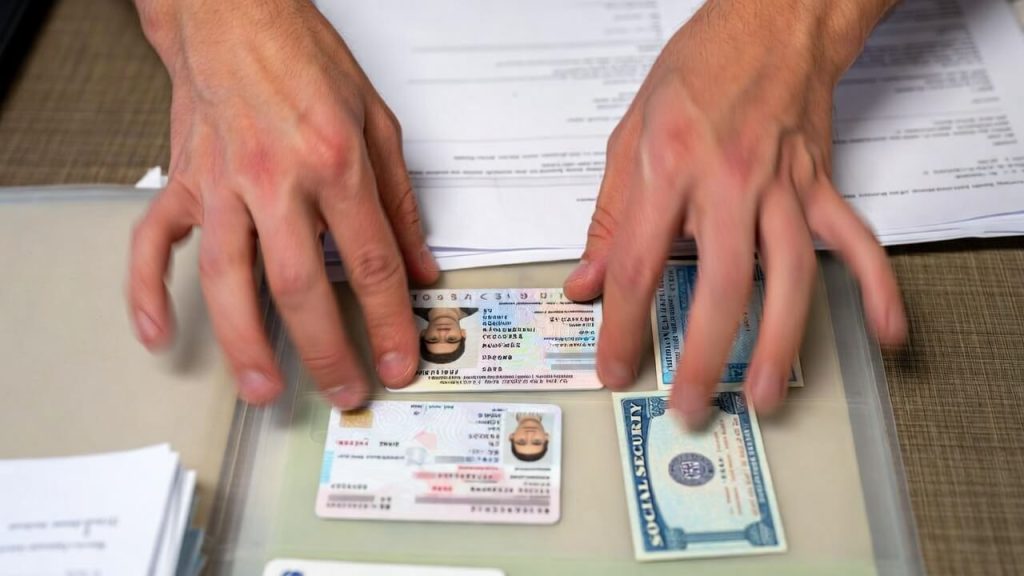
Preparation is key. Bringing all necessary identification documents and crisis evidence will expedite your voucher’s approval process.
Before you go to your appointment, gather these documents. Keep them in a plastic folder to keep them dry.
- ID: Valid State Driver’s License or ID Card for all adults.
- SSN: Social Security Cards for every family member (especially children).
- Proof of Crisis:
- An eviction notice from your landlord.
- A letter from a doctor (if medical issues caused homelessness).
- A police report (if fleeing violence).
- Proof of Income: Pay stubs, unemployment letters, or a “Zero Income Statement”.
2. The Interview Strategy: “Sustainability”
Here is the secret to winning a voucher: Caseworkers look for an Exit Strategy.
- The Wrong Thing to Say: “I just need a room forever.” (This sounds hopeless).
- The Right Thing to Say: “I need a safe place for 3 nights to stabilize my family so I can attend my job interview on Thursday and secure our next paycheck.”
- Why it works: Agencies want to invest in “temporary” gaps. If you show that a motel voucher is the bridge to stability, they are more likely to approve it.
3. Common Restrictions to Know
- Sobriety: Many voucher programs require you to pass a drug test. If you struggle with addiction, ask for a “Harm Reduction” referral instead.
- Curfews: Even in a motel, the agency may enforce a curfew.
- Guests: Absolutely NO guests are allowed in voucher rooms. Breaking this rule will get you evicted immediately and banned from future help.
Phase 5: The “Gap” Strategy: How to Survive the 48-Hour Wait
Real talk: Even with 2-1-1, getting a voucher isn’t always instant. Case managers go home at 5 PM. If you find yourself on the street at 8 PM on a Friday, you need a survival strategy for the weekend.
1. “Safe Parking” Programs (If You Have a Car)
If you are living in your vehicle, do not park on random residential streets where police will tow you.
- What it is: Designated parking lots (often churches or non-profits) that allow homeless individuals to sleep in their cars legally overnight.
- How to find: Search “Safe Parking Program [Your City]” or ask 2-1-1 specifically for vehicular homelessness resources.
- Resource: Safe Parking LA (Example of a major program model).
2. 24-Hour “Safe Havens” (Not Shelters)
If you don’t have a car and shelters are full, look for spaces that are open 24/7.
- Emergency Rooms (ER): Hospital lobbies are climate-controlled and safe. If you have any medical complaint (even minor), you have a right to be triaged. It buys you a safe night.
- 24-Hour Diners/Transport Hubs: Major bus stations often have “Travelers Aid” desks.
- Warming/Cooling Centers: During extreme weather, cities open libraries or community centers 24/7.
3. Street Outreach Teams (The “Backdoor” Entry)
- Why they matter: Outreach workers often carry “flexible funding” (petty cash) that office caseworkers don’t have. They can sometimes pay for a motel room on the spot for a vulnerable person they find on the street.
- Action: Don’t hide. If you are sleeping rough, stay in visible, well-lit areas where outreach teams patrol.
Phase 6: State-Specific Voucher Programs (High Volume States)
Homelessness laws vary wildly by state. In this section, we break down the specific program names you need to ask for in the states with the highest homeless populations.
1. California: CalWORKs Homeless Assistance
If you are a family in California, this is your “Golden Ticket.”
- The Program: CalWORKs provides Temporary Homeless Assistance.
- The Benefit: They will pay for up to 16 consecutive days in a motel.
- Eligibility: You must have less than $100 in resources and be eligible for CalWORKs (families with children).
- Link: CDSS Homeless Assistance
2. New York: Prevention Assistance and Temporary Housing (PATH)
NYC has a “Right to Shelter” law, meaning they must place you somewhere.
- The Program: PATH is the intake center for families with children.
- The Benefit: If shelters are full, they create capacity or use commercial hotels.
- Link: NYC Dept of Homeless Services
3. Texas: Texas Health and Human Services
Texas relies heavily on faith-based networks, but state funds exist.
- The Program: Emergency Solutions Grant (ESG) program administered by local non-profits.
- Strategy: Call the Texas Information and Referral Network (2-1-1 Texas). Ask specifically for “ESG Providers” in your county.
- Link: Texas Homeless Network
4. Florida: Challenge Grants & SHIP
Florida’s “SHIP” (State Housing Initiatives Partnership) funds are often used for eviction prevention and emergency vouchers.
- The Program: Ask local agencies if they have “SHIP Funds” available for emergency lodging.
- Link: Florida Housing Finance Corporation
5. Washington State: HEN (Housing and Essential Needs)
- The Program: The HEN referral program provides access to essential needs items and rent/utility assistance for those who are incapacitated (unable to work) but don’t qualify for cash grants.
- Link: DSHS Housing Assistance
Phase 7: Demographic-Specific Resources (Hidden Pots of Money)
If you don’t fit the “Family” or “Veteran” mold, don’t worry. There are niche vouchers for specific groups that are often less competitive.
1. Runaway & Homeless Youth (Ages 12-24)
If you are under 25, do not go to an adult shelter. It is dangerous and unnecessary.
- The Resource: National Runaway Safeline.
- The Vouchers: They partner with “Host Homes” and youth-specific shelters. They can often provide a greyhound ticket home (Home Free program) or emergency lodging.
- Link: 1800RUNAWAY.org
2. Seniors (Age 60+)
Seniors are the fastest-growing homeless demographic in the U.S.
- The Resource: Area Agencies on Aging (AAA).
- The Strategy: Every county has an AAA funded by the federal government. Because seniors are considered “vulnerable adults,” Adult Protective Services (APS) can often intervene to secure emergency lodging faster than standard shelters can.
- Link: Eldercare Locator (ACL.gov)
3. Single Fathers with Children
This is a huge gap in the system. Most family shelters are “Women & Children Only.”
- The Struggle: Single dads are often turned away or forced to separate from their kids.
- The Solution: Ask specifically for “Non-Congregate Vouchers”. Because you cannot stay in a women’s dorm, the agency is obligated to find you an alternative, which is often a motel voucher. Use this discrimination loophole to your advantage.
Phase 8: The Exit Strategy (What Happens When the Voucher Expires?)
This is the part most people ignore until it is too late. A hotel voucher typically lasts 3 to 7 days. If you do not have a plan for Day 8, you will be back on the street.
The goal of the voucher is not just “sleep”; it is to buy you time to enter a Rapid Re-Housing (RRH) program.
1. Rapid Re-Housing (RRH)
This is the gold standard of modern homeless services.
- How it works: Instead of keeping you in a shelter for months, the agency pays your “Move-In Costs” (First Month’s Rent + Security Deposit) to get you into a private apartment immediately.
- How to get it: During your motel stay, ask your caseworker specifically: “Am I eligible for ESG-funded Rapid Re-Housing assistance?”
2. Security Deposit Grants
If you have income (a job or SSI) but just can’t afford the upfront deposit to move in, look for “One-Time Assistance” grants.
- Catholic Charities: Often has funds specifically for security deposits.
- Zakat Funds (For Muslims): Local mosques often prefer giving one-time large sums (for a deposit) rather than small recurring payments, as it solves the problem permanently.
- St. Vincent de Paul: Known for paying “Last Month’s Rent” or deposits to prevent homelessness.
3. Section 8 & Public Housing (The Long Game)
- Reality Check: The waiting list for Section 8 is often years long.
- The Shortcut: However, if you are currently homeless (living in a motel voucher or shelter), you get “Preference Points” on the waiting list.
- Action: Ensure your caseworker updates your status in the Housing Authority database to “Homeless/Displaced.” This can move you from the bottom of the list to the top.

A motel voucher provides a safe, private space for a few nights, giving you time to breathe and plan your next steps toward permanent housing.
Phase 9: The “Red Flags” & Ultimate FAQ
Before you close this browser, you need to know how to protect yourself. Desperate people are the easiest targets for scammers.
1. How to Spot a “Hotel Voucher” Scam
If you see these signs on Facebook, Craigslist, or TikTok, run away.
- “Pay to Apply”: A real voucher is 100% FREE. If someone asks for $20 to “process” your application, it is a scam.
- “Guaranteed Approval”: No agency guarantees a voucher. Eligibility is strict.
- “We need your bank info”: A legitimate charity will never ask for your bank login or routing number to give you a voucher.
Before reviewing our final FAQs, watch this excellent, realistic breakdown of which emergency hotel voucher programs actually work, who qualifies, and the exact steps you need to take to get approved today:
Conclusion: Your 3-Step Action Plan for Tonight
Finding an emergency hotel voucher in 2026 is a race against time. The system is fragmented, funding is limited, and agencies are overwhelmed. However, persistence is your greatest asset.
1. The First Call (The Gateway): Dial 2-1-1 immediately. Do not ask for “money”; ask for a “Coordinated Entry Assessment” for emergency shelter. This registers you in the system.
2. The Second Call (The Faith Network): If 2-1-1 is a dead end, reach out to St. Vincent de Paul, The Salvation Army, or your local Mosque (Zakat Committee). Explain your specific need for privacy or safety to qualify for “non-congregate” lodging.
3. The Backup Plan (If Vouchers are Gone): If you cannot secure a hotel room for tonight, do not stay on the street.
- Need a physical shelter? Read our complete guide on Transitional Housing & Homeless Shelters.
- Need family support? Check our specific resource for Emergency Help for Homeless Families.
- Returning to the Core Strategy: If you feel lost, return to our master map of the system: Emergency Housing for the Homeless (Master Guide).
Final Thought: Hearing “No” from a caseworker does not mean there is no help; it often just means that specific program is empty. Keep calling. Use the “24-Hour Safe Havens” we listed to stay safe tonight, and try the next agency on the list tomorrow morning at 8:00 AM sharp.
Frequently Asked Questions (The “People Also Ask” Section)
Q1: How do I get a free hotel voucher for the homeless immediately?
A: The fastest way to get an emergency motel voucher is to dial 2-1-1 (in the US and Canada). This connects you to local community resource specialists who can access the Coordinated Entry System. They can refer you to agencies like The Salvation Army, Catholic Charities, or local government programs that have current funding for emergency temporary lodging.
Q2: Can I apply for free hotel vouchers online?
A: No, you generally cannot apply for legitimate hotel vouchers through an online form. Be careful of scams. Real vouchers require an intake assessment by a caseworker to verify your homelessness status. You must visit an agency in person or call 2-1-1 to start the process.
Q3: Do churches give out free motel vouchers?
A: Yes, many local churches and religious organizations (such as St. Vincent de Paul Society and local Zakat committees at Mosques) have small ‘benevolence funds.’ These funds are often used to pay for 1-3 nights at a local motel for neighbors in crisis. It is best to visit local religious centers during weekday office hours to inquire.
Q4: How long can I stay in a hotel with a homeless voucher?
A: Most emergency motel vouchers are short-term, typically lasting 1 to 3 days. They are designed to be a temporary bridge to safety. However, state-funded programs like CalWORKs (in California) or specific FEMA disaster assistance may provide vouchers for up to 16 days or longer, depending on your eligibility and case management plan.
Q5: Are there hotel vouchers for homeless families with pets?
A: Most voucher programs contract with budget motels that have strict ‘No Pet’ policies. However, under the ADA, service animals must be accepted. For non-service pets, you can contact organizations like ‘Pets of the Homeless,’ which may provide free crates or temporary boarding to allow you to accept a shelter or voucher placement.
Important Disclaimer: StartGrants.com is an independent information portal. We are not a government agency and do not provide direct grants or products. Always verify the current status of programs with the providing organization.