Last Updated: May 2026 | Author: Zee
When a community faces an economic downturn, a natural disaster, or a systemic poverty crisis, the first line of defense is rarely the federal government; it is the local humanitarian safety net. Unlike highly specialized medical giving or animal rescue operations, community and humanitarian relief donations focus directly on the basic survival, dignity, and empowerment of the most vulnerable human populations.
In 2026, shifting demographics and global economic inflation have created a massive demand for community support. From ensuring that abandoned children receive an education to protecting the elderly from isolation and poverty, humanitarian charities are doing the heavy lifting. Before you decide where to allocate your charitable budget this year, we highly recommend establishing your baseline philanthropic strategy by reading our comprehensive guide to donations and fundraising.
In this master guide, we will explore the core pillars of humanitarian relief, how to strategically support orphans and the elderly, the critical Islamic perspective on the purity of donated wealth, and how to vet organizations to ensure your money actually reaches those in need.
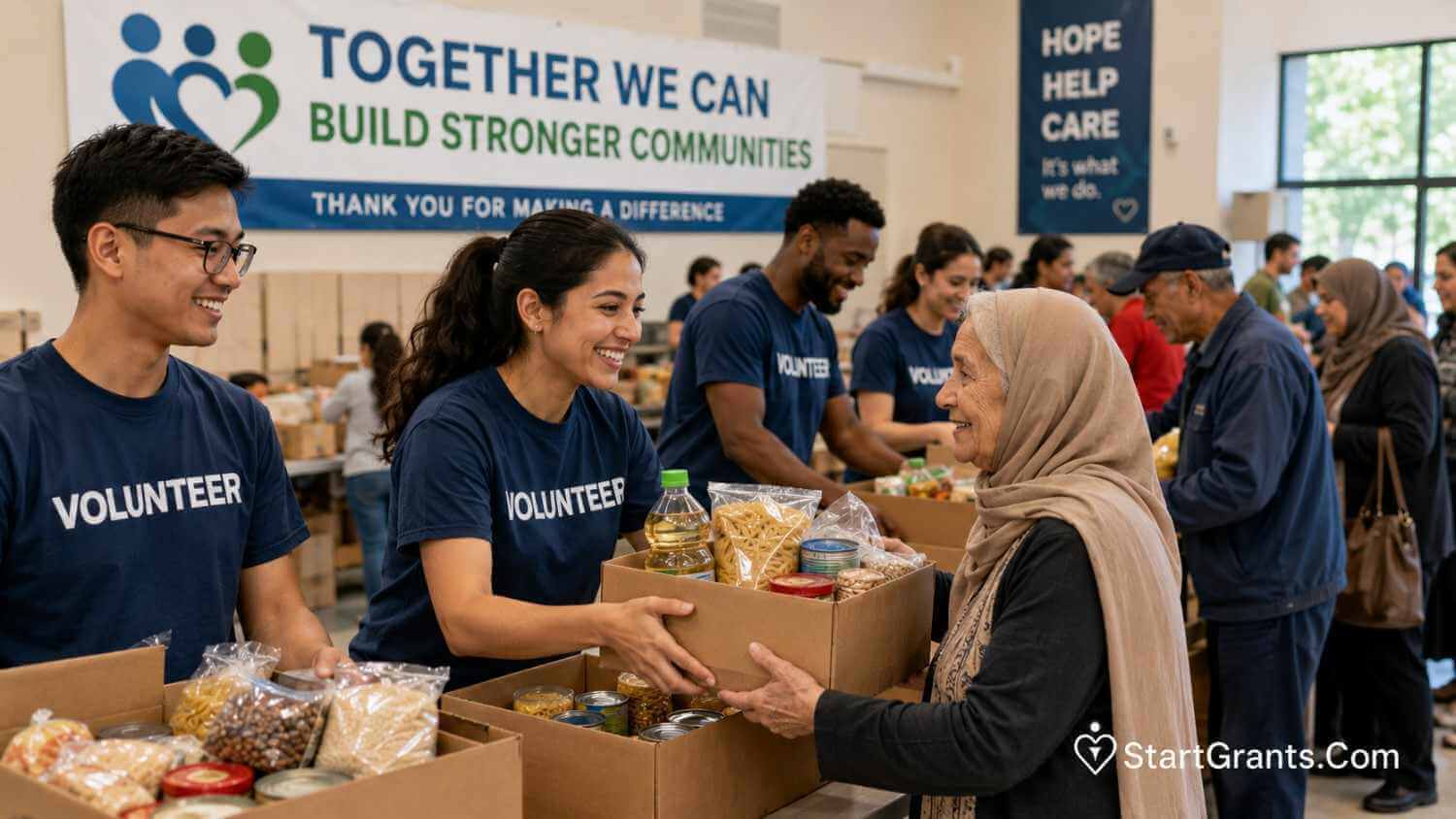
Community and humanitarian relief donations provide the critical safety net that prevents families, orphans, and the elderly from falling into extreme poverty.
Phase 1: The Core of Humanitarian Relief in 2026
Humanitarian relief is not just about shipping boxes of rice across the globe; it is about sustaining communities right in your own backyard. Localized community action agencies, food banks, and rapid-response disaster teams rely almost entirely on public donations.
When you donate to a humanitarian cause, you are addressing the root symptoms of systemic inequality. You are funding after-school programs that keep at-risk youth off the streets, underwriting utility assistance for families facing winter shut-offs, and providing emergency housing for victims of domestic violence.
Pro-Tip: Seeing the Impact
Before deciding to support a specific demographic, it is important to see how localized humanitarian aid transforms entire neighborhoods. Watch this inspiring documentary clip on how community relief programs operate on the ground:
Phase 2: Empowering the Next Generation (Orphan Care)
According to global health organizations, there are millions of children worldwide who have lost one or both parents. In the United States, the foster care system is perpetually overwhelmed. Supporting orphans and vulnerable children is a cornerstone of humanitarian relief.
However, effective philanthropy requires more than just dropping off a bag of used toys during the holidays. Panti asuhan (orphanages) and foster group homes desperately need specific, high-value items that support a child’s long-term educational and emotional development. Giving the right items can change a child’s trajectory, while giving the wrong items simply creates clutter.
- Action Step: If you want to make a tangible, lasting impact on a child’s life, you must stop guessing what they need. Read our highly specific checklist detailing the exact things to donate to orphans to ensure your gift provides real educational and psychological value.
Phase 3: Protecting the Forgotten (Elderly Support)
As the global population ages, a silent crisis is unfolding: elderly poverty and isolation. In 2026, countless seniors are living on fixed incomes that can no longer cover the rising costs of prescription medications, utility bills, and basic groceries. Furthermore, the psychological toll of severe isolation leads to devastating health consequences.
Humanitarian charities that focus on the elderly often provide “Meals on Wheels” programs, subsidized in-home care, and vital social integration programs to ensure senior citizens are not forgotten by the society they helped build.
- Action Step: Donating to senior care requires a targeted approach, whether through financial contributions, volunteering your time, or providing essential mobility items. Discover the most effective ways to protect our seniors in our dedicated guide on how to donate to save the elderly.
Phase 4: The Muslim Perspective (Zakat, Kafalah, and Pure Wealth)
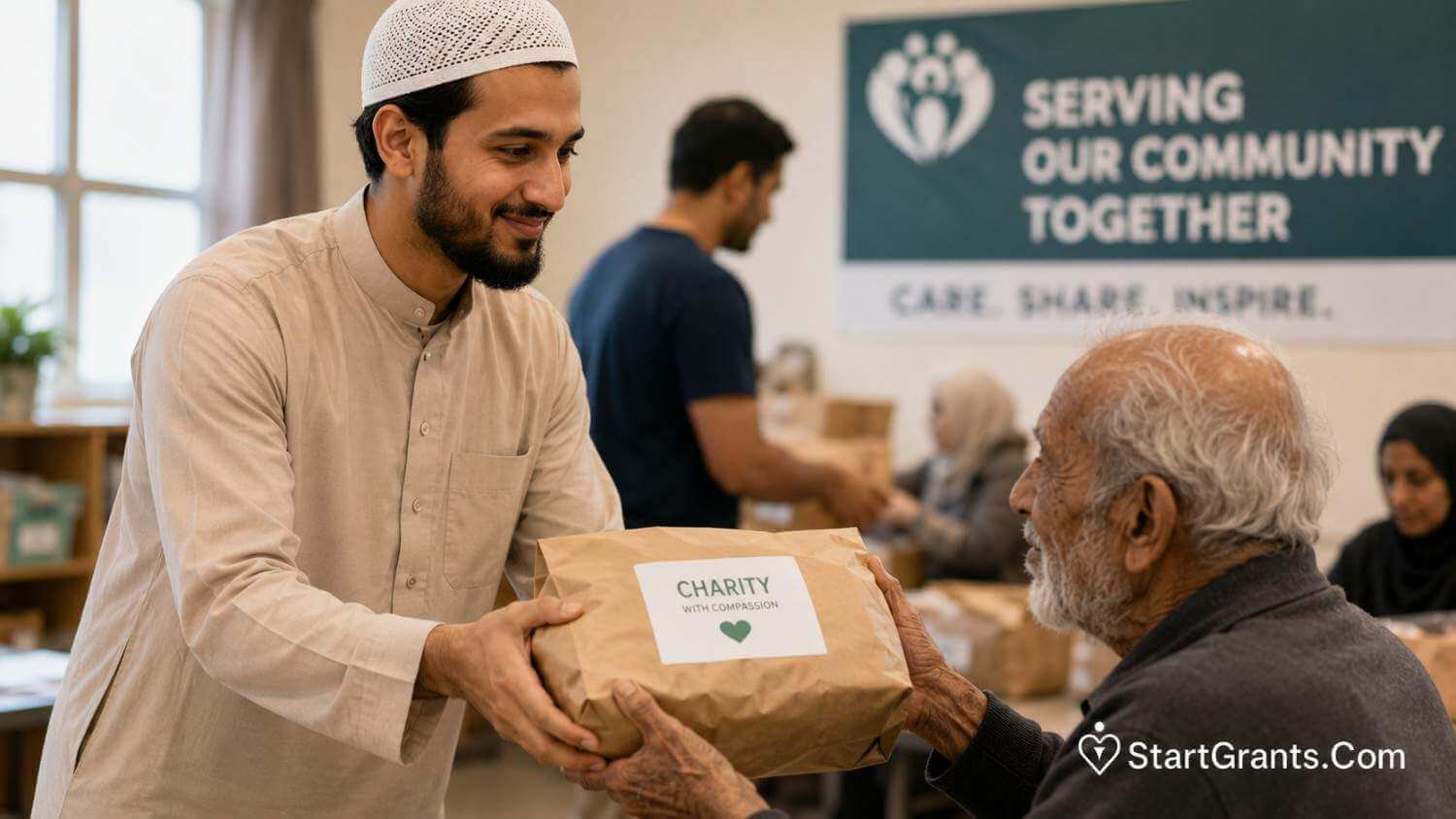
In Islamic jurisprudence, charitable wealth must be earned from purely Halal sources; Allah is pure and only accepts what is pure (Thayyib).
For Muslim donors, humanitarian relief is not just a civic duty; it is a profound religious obligation governed by strict parameters of Islamic jurisprudence (Fiqh). When directing funds toward community relief, orphans, or the elderly, three critical Islamic principles must be observed:
1. The Requirement of Halal Wealth (Thayyib)
In Islam, the intention to give charity does not justify the means of acquiring the money. A famous Hadith states: “Allah the Almighty is Good and accepts only that which is good.” If a person acquires wealth through Haram (forbidden) means—such as gambling, selling prohibited items, fraud, or dealing in Riba (usury/interest)—and donates that money to an orphanage, the charity is spiritually void and rejected.
You cannot “purify” stolen or Haram money by giving it to the poor. The wealth donated for humanitarian relief must be earned from 100% Halal, honest labor.
2. Kafalah (The Sponsorship of Orphans)
In Islamic tradition, caring for orphans holds an unimaginably high status. The Prophet Muhammad (PBUH) famously held up his index and middle fingers together and said, “I and the person who looks after an orphan and provides for him, will be in Paradise like this.” Financing the education, food, and shelter of an orphan (known as Kafalah) is considered one of the greatest forms of continuous charity (Sadaqah Jariyah).
3. Reverence for the Elderly
Islam strictly mandates the honoring of the elderly. The Prophet (PBUH) taught that “He is not one of us who does not show mercy to our young ones and respect to our elders.” Therefore, funding nursing homes, providing medical care for senior citizens, or simply volunteering time to visit lonely elders is a direct fulfillment of Islamic faith.
Phase 5: Vetting Humanitarian Charities (E-E-A-T & Transparency)
Because humanitarian crises—especially orphans and disaster victims—evoke intense emotional responses, the sector is unfortunately plagued by opportunistic scams. Before you transfer a single dollar, you must verify the Experience, Expertise, Authoritativeness, and Trustworthiness (E-E-A-T) of the organization.
- Verify 501(c)(3) Status: Never donate to an individual’s personal bank account via social media. Always ensure the organization is a registered non-profit. You can verify their financial health and administrative overhead using independent watchdogs like Charity Navigator.
- Look for Direct Impact: The best charities, such as Islamic Relief USA or the American Red Cross, publish highly detailed annual reports showing exactly how many meals were served, how many orphans were sponsored, and how much of your dollar goes directly to the program rather than marketing.
Conclusion: Strengthening the Human Foundation
Community and humanitarian relief donations are the bedrock of a compassionate society. When you choose to fund an orphanage or subsidize an elderly care facility, you are actively protecting the most vulnerable segments of humanity from the devastating impacts of poverty and neglect.
Whether you are seeking a secular tax deduction or fulfilling your religious duty through pure, Halal Sadaqah, your strategic contributions have the power to alter lives permanently. Use our targeted guides to understand exactly what items to donate to orphans, how to effectively support the elderly, and always ensure your chosen charity operates with absolute transparency.
Frequently Asked Questions (FAQs)
Q1: Are donations to international humanitarian causes tax-deductible in the US?
A: It depends. If you donate directly to a foreign charity, it is generally NOT tax-deductible on your US tax return. However, if you donate to a US-based, registered 501(c)(3) organization that operates international relief programs (like UNICEF USA or Islamic Relief USA), your donation is fully tax-deductible.
Q2: What is the most effective way to help my local community?
A: While physical items are appreciated, setting up a recurring, unrestricted monthly cash donation to a local community action agency or food bank is statistically the most effective way to help. It allows the charity to purchase wholesale goods at a fraction of retail prices and plan their long-term budgets reliably.
Q3: Is it Halal to give my Zakat to an elderly non-Muslim living in poverty?
A: According to the majority of classical Islamic scholars, obligatory Zakat must be distributed to eligible Muslims. However, voluntary charity (Sadaqah) can and absolutely should be given to anyone in need, regardless of their religion, race, or background. Helping a non-Muslim elderly person in poverty is highly rewarded.
Q4: Do orphanages accept used stuffed animals?
A: In 2026, the vast majority of foster care agencies and orphanages strictly reject used stuffed animals due to sanitation protocols (the risk of bed bugs, lice, and allergens). They usually only accept brand-new toys with the tags still attached.
Q5: How can I help the elderly if I don’t have money to donate?
A: The elderly suffer immensely from the psychological trauma of isolation. Donating your time by volunteering at a local senior center, participating in “Meals on Wheels” delivery routes, or offering to help an elderly neighbor with their yard work or grocery shopping are incredibly impactful, zero-cost donations.
Important Disclaimer: StartGrants.com is an independent information portal. We are not a humanitarian relief agency or a religious fatwa council. Always verify a charity’s 501(c)(3) status and consult with a certified CPA regarding charitable deductions on your personal tax returns.