
Last Updated: May 2026 | Author: Munir Ardi
The desire to help vulnerable children is a universal human instinct. When the holidays approach or when families decide to do some spring cleaning, orphanages and foster care group homes are often the first places they think of to drop off donations. However, a massive disconnect exists between what people want to give and what these children actually need.
As we outlined in our overarching guide to community and humanitarian relief donations, modern philanthropic giving requires strategy. Panti asuhan (orphanages) and foster facilities are not thrift stores; they are structured environments tasked with raising, educating, and healing children who have experienced profound trauma.
If you truly want to make an impact in 2026, it is time to rethink your donation strategy. In this guide, we will break down the 10 most meaningful things to donate to orphans, the dangerous items you must avoid, and the powerful Islamic mandate regarding the dignity of the orphan.
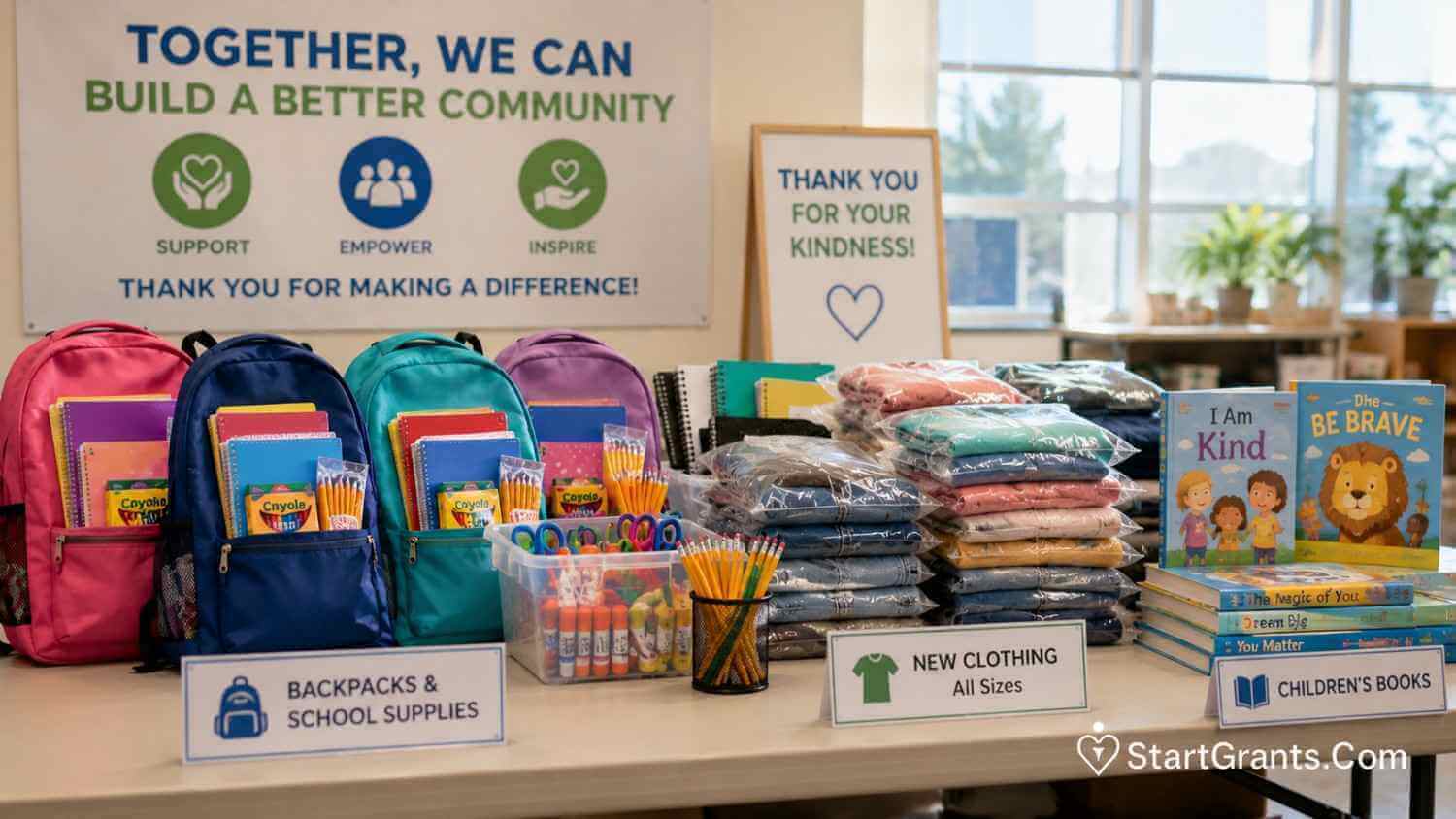
Donating to orphans requires a shift in mindset; focus on providing high-value educational and developmental items rather than clearing out your used toy bins.
Phase 1: The “Dumping Ground” Misconception
The biggest problem facing child welfare organizations today is the “dumping ground” mentality. Many well-intentioned donors view orphanages as a place to offload broken toys, stained clothing, and incomplete board games that their own children no longer want.
Children living in group homes or orphanages are acutely aware of their situation. Handing them a garbage bag full of broken, cast-off items sends a devastating psychological message about their self-worth. Furthermore, due to strict state and federal health regulations outlined by organizations like UNICEF and local child services, facilities are often legally forbidden from accepting used hygiene items or used stuffed animals due to the risk of bed bugs, lice, and allergens. Your “donation” often ends up in a dumpster, costing the charity disposal fees.
Pro-Tip: The Reality of the System
To understand what these children actually need to succeed, you must first understand what they go through on a daily basis. Watch this insightful look into the reality of the modern foster and group home system:
Phase 2: The Top 10 Most Needed Items
If you want to empower an orphan and support the facility that houses them, focus your budget on these 10 highly requested, high-value items:
1. Brand-New School Supplies
Education is an orphan’s primary ticket out of systemic poverty. Instead of toys, donate high-quality, brand-new backpacks, scientific calculators, pristine notebooks, and art supplies. Equipping them for the school year provides them with confidence and dignity among their peers.
2. Laptops and Educational Electronics
In 2026, a child cannot complete their homework without digital access. Refurbished or gently used laptops, tablets, and e-readers are the most sought-after items for older children and teenagers preparing for college.
3. New Underwear and Socks
This is a non-negotiable rule: Undergarments must be brand new in their original packaging. Group homes constantly face shortages of clean, new underwear and warm socks for rapidly growing children.
4. Hygiene and Grooming Kits
Teenagers in the foster system often arrive with nothing but the clothes on their backs. Donate pre-assembled hygiene kits containing full-sized (not travel-sized) shampoo, body wash, deodorant, toothbrushes, toothpaste, and feminine hygiene products.
5. Diapers and Baby Formula
For facilities that house infants and toddlers, the operational costs are staggering. Unopened cans of baby formula, massive boxes of diapers (especially in larger sizes like 4, 5, and 6), and unscented baby wipes are literally as good as cash.
6. Gift Cards (For Teenagers)
Teenagers are the most overlooked demographic in the orphan and foster care system; everyone wants to buy toys for the babies. Donating $25 to $50 gift cards to places like Target, Walmart, or local clothing stores allows teenagers to experience the autonomy of choosing their own clothes and necessities.
7. High-Quality Bedding (Twin Size)
Many children arrive at group homes carrying severe trauma, and a comfortable bed is their only safe haven. Donate brand-new, colorful, twin-sized sheet sets, hypoallergenic pillows, and warm comforters. (Never donate used pillows).
8. Culturally Diverse Books
Representation matters. Donate brand-new books that feature diverse protagonists facing and overcoming real-world challenges. Books offer an incredible psychological escape and developmental stimulation.
9. First Aid and Medical Supplies
Group homes go through bandages like water. Donating bulk boxes of colorful Band-Aids, antibiotic ointment, digital thermometers, and children’s pain relievers (like Tylenol) drastically helps the facility’s medical budget.
10. Duffle Bags or Suitcases
It is a heartbreaking reality that many children in the foster system are forced to move their few belongings from home to home in black plastic trash bags. Donating sturdy, new duffle bags or rolling suitcases provides them with immense dignity during transitions.
Phase 3: The Danger Zone (What NEVER to Donate)
Save the charity time and money by strictly avoiding the following items:
- Used Stuffed Animals: Banned by almost all facilities due to the impossibility of fully sanitizing them and the risk of transferring bed bugs.
- Broken or Missing-Piece Toys: If a puzzle is missing three pieces, throw it away. Do not pass your trash onto an orphan.
- Violent Video Games or Movies: Children in these facilities often come from violent or abusive backgrounds. Violent media is strictly prohibited by facility psychologists.
- Expired Food: Check every single date on canned goods before you drop them off. It is illegal for a facility to serve expired items.
Phase 4: The Muslim Perspective (Kafalah and Dignity)
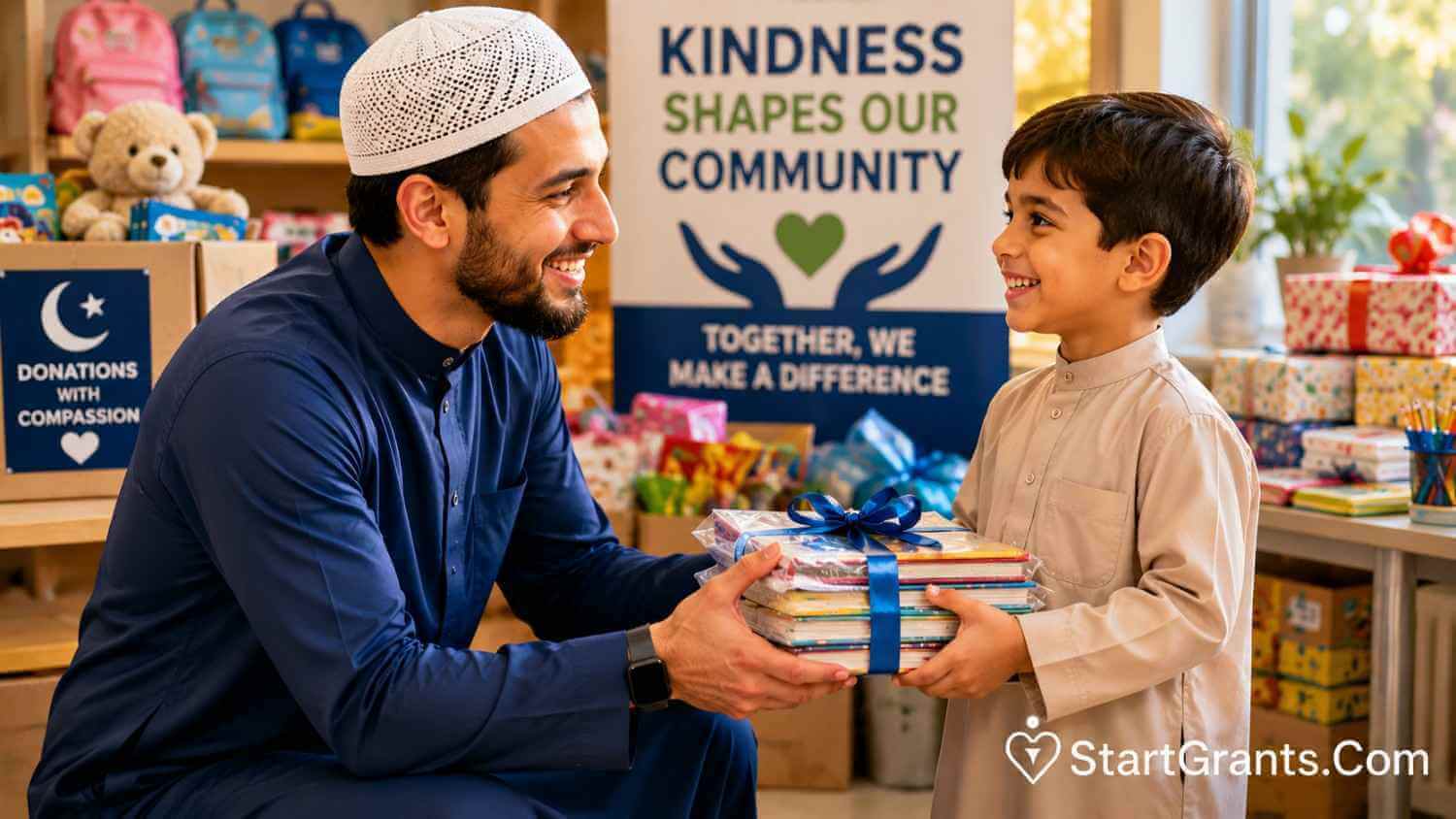
In Islam, providing for an orphan (Kafalah) is not about giving away leftovers; it is about offering dignity, love, and the best of what you have to earn the highest ranks in Paradise.
For Muslim donors, the care of orphans (Yateem) is one of the most sacred obligations in the religion. However, the way you give is just as important as what you give. Donating to orphans must be approached through the lens of pure dignity and spiritual excellence (Ihsan).
1. Giving What You Love (Ali ‘Imran: 92)
The practice of cleaning out your garage and giving broken, unwanted items to an orphanage directly contradicts Islamic teachings. Allah explicitly states in the Qur’an (3:92): “You will not attain righteousness until you spend [in charity] from that which you love.”
If you would not give a stained shirt or a broken toy to your own biological child, it is spiritually unacceptable to give it to an orphan. The charity you provide should be Thayyib (good, pure, and high-quality).
2. The Rank of Kafalah
In Islam, Kafalah refers to the financial and emotional sponsorship of an orphan. The Prophet Muhammad (PBUH) promised that anyone who sponsors an orphan will be right beside him in Paradise. If you cannot physically take an orphan into your home, providing them with the exact tools they need to succeed—such as laptops for their education, clean clothes, and healthy food—is a direct fulfillment of Kafalah.
(Note: Ensuring the elderly are also treated with this same level of dignity is equally vital in Islamic ethics. Learn how to balance your charitable portfolio by reading our guide on how to donate to save the elderly.)
Phase 5: How to Execute Your Donation
Before you load up your car with new backpacks and hygiene kits, always call the facility first. Needs fluctuate by the week. A group home might have a surplus of backpacks in August but be in desperate need of winter coats in November.
Speak to the donations coordinator, ask for their current, most pressing “Wish List,” and fulfill it directly. Many modern facilities utilize Amazon Wishlists, allowing you to purchase the exact items they need and have them shipped directly to their administrative offices, bypassing logistical headaches entirely.
Conclusion: Providing Dignity, Not Clutter
Donating to orphans is an incredibly noble pursuit, provided it is done with strategy and empathy. These children do not need your leftover trash; they need the tools to build a successful, independent future.
By focusing your donations on high-value items like new school supplies, digital electronics, fresh clothing, and hygiene kits, you restore their dignity and set them up for success. Whether you are driven by secular philanthropy or the powerful Islamic mandate of Kafalah, remember that the quality of your gift reflects the quality of your compassion.
Frequently Asked Questions (FAQs)
Q1: Why won’t orphanages accept my child’s used stuffed animals?
A: Used stuffed animals cannot be sanitized in high-heat commercial washers without being destroyed. Because they can harbor allergens, lice, and bed bugs, state health regulations prohibit foster homes and orphanages from accepting them to protect the children currently living in the facility.
Q2: Can I donate a used laptop or tablet?
A: Yes, absolutely. Educational electronics are highly sought after. However, before donating, you must perform a complete “Factory Reset” to wipe all your personal data, ensure the device holds a battery charge, and include the correct charging cables.
Q3: Is it better to donate physical items or cash to an orphanage?
A: Cash is almost always better. While donating backpacks is helpful, a cash donation allows the facility to purchase exactly what they need at wholesale, tax-exempt prices. It also helps cover unglamorous but vital operational costs, like electricity, facility maintenance, and trauma counseling for the children.
Q4: Is it Halal to sponsor an orphan internationally instead of locally?
A: Yes. Islamic jurisprudence allows for Kafalah (orphan sponsorship) across borders. While local community support is highly encouraged, donating to international orphans living in war zones or extreme poverty through registered charities is an immense act of Sadaqah.
Q5: Can I donate clothes that have been worn a few times?
A: Most facilities will accept “gently used” clothing (like jeans or winter coats) provided they have absolutely no stains, rips, or odors, and have been freshly laundered. However, undergarments and socks must always be brand new and in their original packaging.
Important Disclaimer: StartGrants.com is an independent information portal. We are not a foster care agency or orphanage. Donation regulations are strictly governed by state child welfare laws. Always verify the current wish list and acceptance policies directly with the receiving organization before attempting a drop-off.