
Last Updated: April 2026 | Author: Munir Ardi
The United States is home to a massive, highly influential Polish diaspora, often referred to as “Polonia.” For generations, Polish immigrants and their descendants have significantly shaped the cultural, economic, and industrial landscape of America. To honor this legacy and ensure the continued success of the next generation, the Polish-American community has established a robust, highly targeted educational funding ecosystem.
In the modern financial aid landscape, cultural heritage is a massive asset. While millions of students fight over general, highly competitive national scholarships, students of Polish descent have access to specialized endowments that are completely walled off from the general public. These organizations do not just offer financial aid; they offer a lifelong professional network and a deep connection to your ancestral roots.
Whether you are a first-generation immigrant from Warsaw or a fourth-generation Polish-American living in Chicago, millions of dollars are available to fund your undergraduate or graduate degree.
In this comprehensive 2026 guide, we will dismantle the scholarship ecosystem for Polish-American students. We will explore how to secure massive grants from the Kosciuszko Foundation, how to leverage fraternal memberships like the Polish National Alliance, and how to prove your ancestry to unlock debt-free college funding.

Students of Polish descent have access to massive, highly localized educational endowments funded by fraternal organizations and cultural foundations.
Phase 1: The Preeminent Endowment (The Kosciuszko Foundation)
If you have Polish ancestry, your absolute first target for financial aid must be the Kosciuszko Foundation (KF). Founded in 1925, the KF is the preeminent Polish-American educational and cultural institution in the United States. They award over $1 million annually in fellowships and grants to graduate students, scholars, scientists, professionals, and artists.
Tuition Scholarships for Polish Americans
The Kosciuszko Foundation’s primary financial vehicle for U.S. citizens is their Tuition Scholarship Program. These grants range from $1,000 to $7,000 and are awarded on a competitive basis to American students of Polish descent who are pursuing full-time undergraduate or graduate studies at accredited U.S. colleges and universities.
- The Ancestry Requirement: To qualify for these funds, you must be able to prove your Polish descent. The foundation requires a clear, documented statement explaining your Polish heritage (e.g., tracing your lineage back to a parent, grandparent, or great-grandparent who immigrated from Poland).
- Academic Excellence: The KF is highly selective. They are looking for students with a minimum GPA of 3.0, a strong history of community service, and a demonstrated interest in Polish culture or involvement in the Polish-American community.
Understanding the history and mission of the organization funding your education is critical to writing a winning scholarship essay. Watch this official lecture detailing the 100-year history of the Kosciuszko Foundation and how their scholarship programs have shaped American-Polish relations:
Phase 2: Fraternal Power (The Polish National Alliance)
Beyond academic and cultural foundations, the Polish-American community is heavily supported by massive fraternal benefit societies. The largest and most financially powerful of these is the Polish National Alliance (PNA), headquartered in Chicago.
The PNA Scholarship Program
The Polish National Alliance operates differently than a traditional charity. It is a fraternal insurance organization. However, they manage a massive internal scholarship endowment exclusively for their members. To be eligible for a PNA college scholarship, the student (or their parents) must be a premium-paying member of the PNA (typically holding a life insurance policy or an annuity). If your family already holds a policy with the PNA, you are automatically eligible to apply for their annual merit-based college grants, which are distributed to full-time undergraduate students across the country.
Establishing the Demographic Baseline
While heritage scholarships from the KF and PNA are highly lucrative, they are often designed to supplement, not entirely replace, your standard financial aid package. Before you spend weeks writing essays about your Polish ancestry, you must ensure you have secured your federal entitlements and understand the broader scope of identity funding. You must immediately review our supreme headquarters guide on demographic and heritage college scholarships to learn how to aggressively leverage your exact cultural background before proceeding.
Phase 3: Grassroots Funding (Local Polish Clubs and Parishes)
While the Kosciuszko Foundation and the Polish National Alliance provide massive national grants, their application pools are highly competitive, drawing the top Polish-American students from all 50 states. To build a truly bulletproof financial aid strategy, you must simultaneously target the grassroots level of the “Polonia” network.
Across the United States, particularly in the Midwest and Northeast, local Polish cultural clubs, heritage societies, and historically Polish Catholic parishes control significant, unadvertised scholarship endowments.
Local Heritage Societies
Cities with deep Polish roots—such as Chicago, Detroit, Cleveland, Buffalo, and Brooklyn (Greenpoint)—are home to dozens of localized cultural organizations. Groups like the Polish American Congress (PAC) operate regional divisions in almost every state. These state divisions frequently host annual scholarship banquets, awarding $1,000 to $3,000 grants strictly to Polish-American high school seniors residing within their specific county or zip code. Because these scholarships are rarely advertised on massive national databases, the competition is drastically lower. You must proactively search for “Polish American Heritage Club near me” and contact their board of directors directly to request an application.
Parish-Based Educational Endowments
Historically, the center of the Polish immigrant community in the United States was the local Catholic parish. Many of these historic churches still maintain massive educational endowments established by wealthy parishioners decades ago. If you are an active member of a historically Polish parish, you must speak directly to your pastor or the parish council about internal tuition assistance. These localized grants are often completely disconnected from your high school GPA or federal FAFSA data; they are awarded based entirely on your family’s documented involvement in the church and the local Polish community.
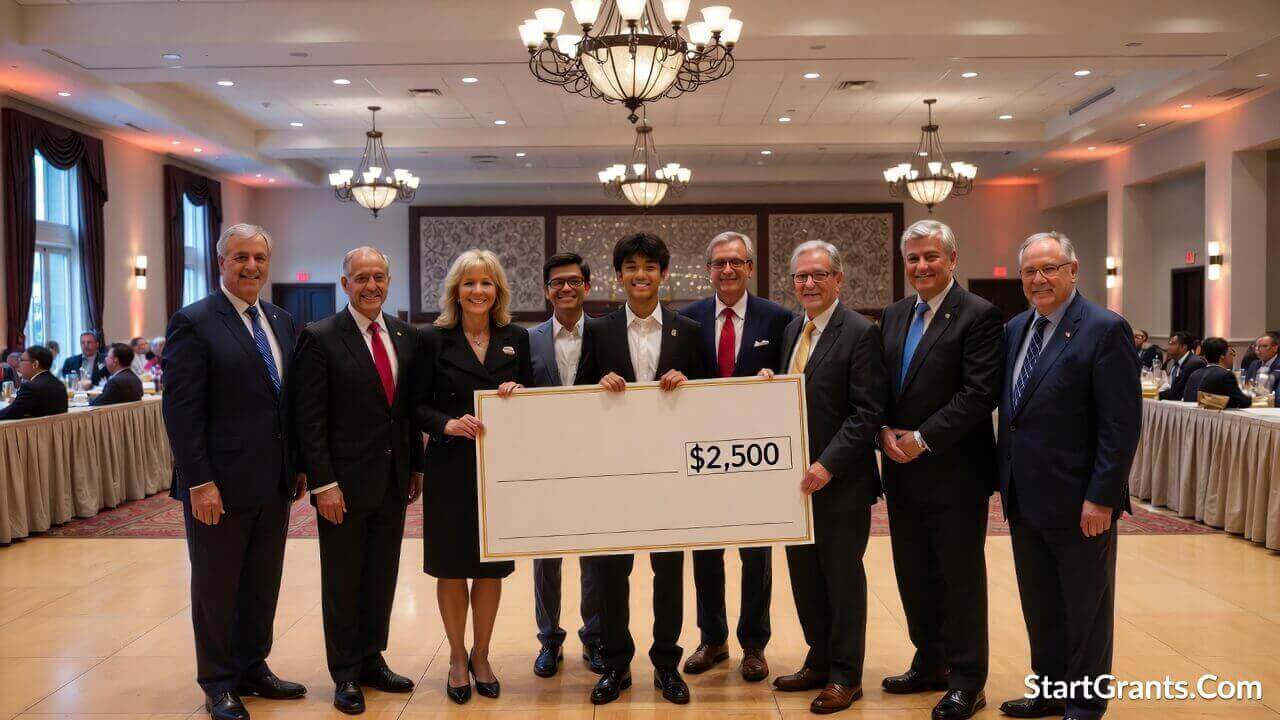
Do not ignore grassroots funding. Local Polish-American cultural clubs and state divisions of the Polish American Congress offer highly localized, low-competition college grants.
Phase 4: The First-Generation Immigrant Strategy
Not every student of Polish descent is a third or fourth-generation American with deep roots in Chicago or New York. A significant portion of the Polish student demographic consists of recent immigrants or first-generation Americans whose parents emigrated from Poland after the fall of communism.
If you fall into this specific demographic, your financial aid strategy must radically shift.
The Language and Bilingual Advantage
If you are fluent in both English and Polish, you possess a highly monetizable academic skill. Many universities with strong Eastern European Studies departments or international business programs actively seek out bilingual students. You should aggressively pursue specialized departmental grants or foreign language study fellowships that reward your native fluency.
Navigating the Disadvantaged Student Reality
Furthermore, if your parents are recent immigrants who work blue-collar jobs and have not navigated the American higher education system themselves, you are statistically classified as a “First-Generation College Student.” This is a massive financial advantage. Universities and federal TRIO programs heavily fund first-generation students because they lack the historical advantages of legacy applicants. If your family also falls into a lower income bracket, you must immediately cross-reference our master tactical guide on scholarships for disadvantaged students. By stacking your Polish heritage grants with federal low-income entitlements, you can construct a comprehensive, debt-free full-ride package.
Conclusion: Your Polish-American Funding Action Plan
Your Polish heritage is not just a point of cultural pride; it is a highly exclusive financial asset. The endowments established by previous generations of the “Polonia” diaspora were built specifically to ensure you graduate from college without crippling debt.
Execute this tactical checklist to secure your educational funding:
- Secure the Baseline: File your FAFSA immediately to extract any federal Pell Grants or institutional aid you are legally owed before applying for private heritage money.
- Target the Heavyweights: Apply for the massive, national Tuition Scholarship Program offered by the Kosciuszko Foundation (KF).
- Leverage Fraternal Memberships: If your parents hold an insurance policy with the Polish National Alliance (PNA), immediately claim your exclusive member scholarship.
- Hunt Grassroots Funding: Contact your local Polish-American cultural clubs, state PAC divisions, and historic parishes to uncover unadvertised, low-competition micro-grants.
- Claim Your First-Gen Status: If your parents immigrated from Poland and never completed a 4-year degree in the U.S., proudly check the “First-Generation” box on your college applications to unlock massive institutional diversity grants.
Your Polish heritage is more than just history; it is a strategic asset for your future. Track down your family’s immigration records, finalize your Kosciuszko Foundation application before the spring deadline, and leverage your roots to secure a debt-free education.
Frequently Asked Questions (FAQs)
Q1: What is the Kosciuszko Foundation Scholarship?
A: The Kosciuszko Foundation (KF) offers the preeminent Tuition Scholarship Program for American students of Polish descent. It provides massive grants (ranging from $1,000 to $7,000) to Polish-American undergraduate and graduate students pursuing full-time studies at accredited U.S. universities. Applicants must prove their Polish ancestry and demonstrate academic excellence.
Q2: Do you have to speak Polish to get a Polish-American scholarship?
A: Not necessarily. While some highly specific cultural or bilingual grants may require fluency in the Polish language, the vast majority of national endowments (like those from the Kosciuszko Foundation or the PNA) only require you to prove your Polish lineage and demonstrate an active interest in Polish-American culture or community service.
Q3: What is the Polish National Alliance (PNA) scholarship?
A: The Polish National Alliance is the largest Polish fraternal organization in the United States. They operate a massive internal scholarship program exclusively for their members. To qualify, the student or their parents must hold a qualifying, premium-paying life insurance policy or annuity with the PNA.
Q4: Are there scholarships for Polish immigrants in the US?
A: Yes. Recent Polish immigrants or first-generation Polish-Americans are highly sought after by universities. Beyond heritage-specific grants, these students can heavily leverage their status as “First-Generation College Students” to unlock specialized institutional diversity grants and federal TRIO programs designed for students whose parents did not attend college in the U.S.
Q5: How do I find local Polish-American scholarships?
A: Because the Polish diaspora is deeply rooted in specific U.S. regions (like the Midwest and Northeast), you should contact the state division of the Polish American Congress (PAC), local Polish cultural clubs, and historically Polish Catholic parishes in your zip code. These grassroots organizations frequently offer unadvertised, low-competition grants to local high school seniors.
Q6: Can I stack a heritage scholarship with the Pell Grant?
A: Absolutely. Heritage scholarships from private organizations like the Kosciuszko Foundation are considered “outside scholarships.” They can be seamlessly stacked on top of your federal Pell Grant and university-issued financial aid to cover remaining costs like room, board, and textbooks, ensuring you graduate completely debt-free.
Q7: Can international students from Poland on an F-1 Visa get the Pell Grant?
A: No. International students studying in the U.S. on an F-1 student visa are not eligible for federal financial aid, including the Pell Grant and federal student loans. If you are a Polish citizen studying in the U.S., you must rely on university-specific merit scholarships, private organizations like the Kosciuszko Foundation, or funding from the Polish government.
Q8: How can Muslim students of Polish descent fund their education without interest (Riba)?
A: For Muslim students (such as those from the historic Lipka Tatar community or modern Polish-American Muslims), avoiding interest-bearing federal student loans is a strict religious priority to avoid Riba. After maximizing “free money” from heritage grants like the Kosciuszko Foundation, Muslim students should seek interest-free (Qard Hasan) educational loans from organizations like A Continuous Charity (ACC) to bridge any remaining financial gaps without compromising their faith.
Important Disclaimer: StartGrants.com is an independent information portal. We are not a government agency and do not provide direct grants or products. Always verify the current status of programs with the providing organization.