
Last Updated: July 2026 | Author: Robert
Introducing a pet into a classroom environment has proven, measurable benefits. Studies show that interacting with animals decreases student anxiety, improves attendance, and provides a highly engaging, hands-on opportunity to teach STEM concepts like biology and ecology.
However, the financial burden of purchasing a habitat, the animal itself, and the ongoing costs of food and bedding usually falls directly on the teacher. With K-12 educators already spending hundreds of dollars out-of-pocket for basic supplies, maintaining a classroom pet often feels economically impossible.
Fortunately, you do not have to fund this alone. The Pets in the Classroom grant program, established by the educational non-profit The Pet Care Trust, provides direct financial assistance to teachers across the United States and Canada to purchase and maintain classroom animals.
This guide breaks down the 2026 application cycle, the exact types of funding available, and how you can secure a grant for your students.
Phase 1: Understanding the Funding Types
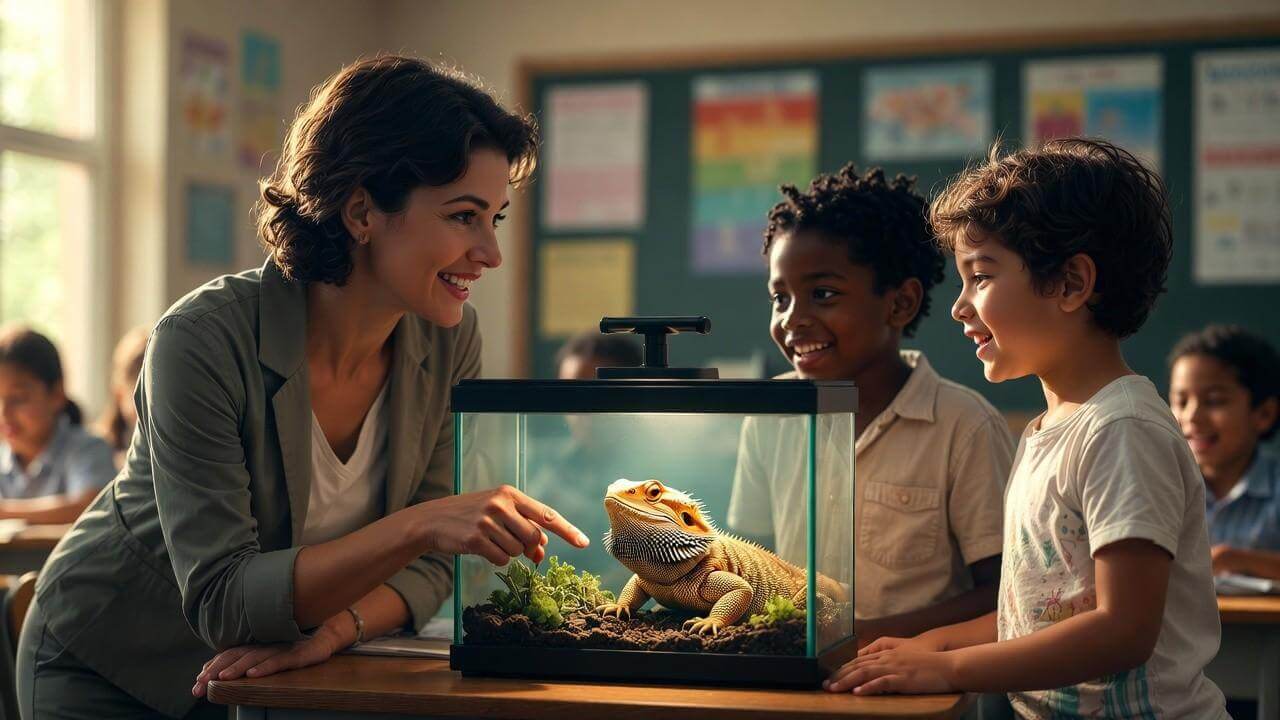
The Pets in the Classroom grant provides funding for small animals like bearded dragons, offering students hands-on STEM learning opportunities.
The Pets in the Classroom program does not just write a single check and walk away. They offer highly structured funding options tailored to whether you are a first-time pet owner or need help feeding an animal you already have.
1. Store Grants (The Easiest Path)
If you are starting from scratch, this is your best option. The Pet Care Trust has partnered with major retail chains like Petco, PetSmart, and Pet Supplies Plus. If approved, you receive specialized coupons or a physical voucher. You take this voucher directly to the participating store, and it covers the cost of the animal (e.g., a hamster, bearded dragon, or fish) and a starter habitat kit.
2. Rebate Grants (The Flexible Path)
If you prefer to support a local, independent pet store or need specialized equipment purchased online, you can apply for a Rebate Grant. You purchase the animal and supplies out-of-pocket, submit your receipts to the program, and they will reimburse you. Maximum reimbursement limits generally range from $75 for small mammals to $125 for reptiles and aquariums.
3. Sustaining Grants (The Maintenance Path)
This is the most critical grant for veteran teachers. If you already received a grant in a previous school year, you cannot get another grant to buy a new animal. However, you are eligible for a Sustaining Grant—a $50 yearly award specifically designed to help you offset the ongoing costs of food, filters, and bedding. To explore broader financial strategies to fund your entire classroom ecosystem, check out our master guide on securing Grants for Teachers in Primary and Secondary Schools.
Pro-Tip: The Official Program Overview:
Before choosing which animal is right for your students, listen directly to the organizers. Watch this official overview from The Pet Care Trust detailing how the grant transforms classrooms and how simple the application process is:
Phase 2: The Eligibility Matrix (Who Can Apply?)
Not every educator qualifies for this funding. The Pet Care Trust has strict parameters to ensure the animals are placed in safe, highly structured educational environments.
Grade Level Restrictions
You must be a teacher in a Pre-Kindergarten through 9th-grade classroom. High school teachers (10th-12th grade) and university professors are explicitly excluded from this specific program.
Critical 2026 Warning for Pre-K: While Pre-K teachers can apply, the CDC strongly advises against reptiles and amphibians in classrooms with children under 5 years old due to the high risk of Salmonella. If you teach Pre-K, select a fish or small mammal to ensure your grant application is not flagged for health code violations.
School Types
Both public and private school teachers are eligible, provided the school is an official, recognized educational facility.
Job Titles
The applicant must be the lead classroom teacher. Principals, administrative staff, or PTA members cannot apply on the school’s behalf. The program wants to ensure the animal has a dedicated, singular caretaker.
Important Compliance Note: Before applying, administrators and teachers must ensure that bringing live animals into the facility complies with their state’s health codes and the official CDC Guidelines for Animals in Schools.
Phase 3: The Application Strategy
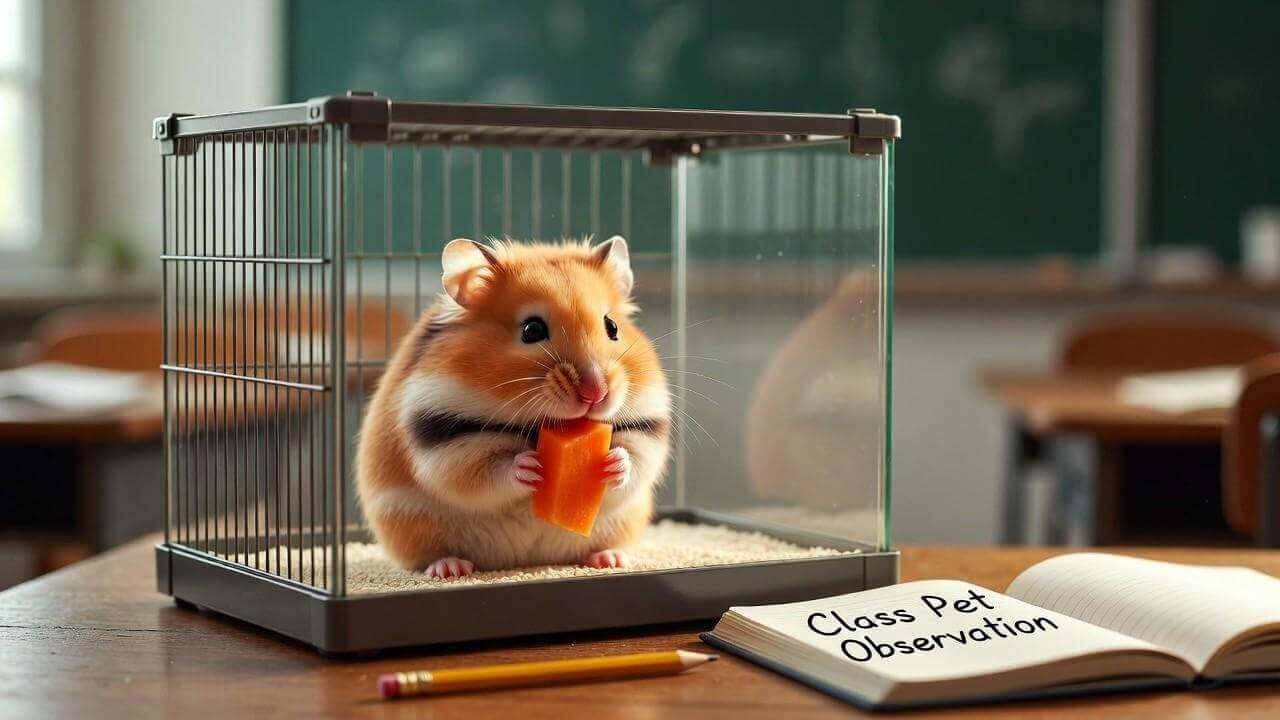
Winning a grant requires tying the pet to your curriculum, such as keeping daily scientific observation logs of the animal’s behavior.
The grant application cycle typically opens on August 1st for the new school year and remains open until June 1st. Funding is awarded on a first-come, first-served basis, so applying in the early fall is highly recommended.
Writing a Winning Proposal
The application requires a brief essay explaining why you want a pet. Do not just say, “It will be fun for the kids.” You must tie the pet to your curriculum.
- STEM Education: Explain how students will observe the animal’s behavior, chart its diet, or study its natural ecosystem. If your classroom lacks the digital devices to document this scientific data, you should simultaneously explore Technology Grants for Teachers or apply for specific Grants for iPads in the Classroom to secure tablets for your students’ daily observation logs.
- Emotional Support: Classroom pets are phenomenal tools for de-escalation. Detail how interacting with a guinea pig or watching an aquarium can calm anxious students and build emotional intelligence.
What is NOT Funded?
The grant does not fund the purchase of cats, dogs, or any venomous animals. Furthermore, it strictly does not cover veterinary care. If the animal gets sick, the teacher or the school assumes full financial responsibility.
Conclusion: Your 4-Step Action Plan
A classroom pet can be a life-changing educational tool for young students, teaching them empathy and responsibility. Through the official Pets in the Classroom portal, the financial barrier has been removed.
Execute this plan today:
- Step 1: Check School Policy: Speak with your principal today to ensure there are no district bans on live animals.
- Step 2: Choose Your Animal Wisely: Research which animal fits your classroom noise level and weekend availability. (Fish are easier to leave over the weekend; mammals require more attention).
- Step 3: Apply Early: Go to the official website and submit your application at the beginning of the fall semester before funds deplete.
- Step 4: Prepare the Curriculum: Draft a lesson plan detailing how the students will safely interact with and learn from their new companion. To further elevate your own science-teaching credentials and build a stronger curriculum, utilize Grants for Teacher Professional Development to fund specialized biology or classroom management workshops.
Frequently Asked Questions (FAQs)
Q1: What is the Pets in the Classroom grant?
A: It is an educational grant program established by The Pet Care Trust that provides financial support to Pre-K through 9th-grade teachers to purchase and maintain small animals in the classroom.
Q2: Who is eligible for the Pets in the Classroom grant?
A: Lead classroom teachers in public or private schools teaching grades Pre-Kindergarten through 9th grade in the US and Canada are eligible. High school teachers and administrative staff are not eligible.
Q3: How much money does the grant provide?
A: The amount depends on the grant type. Rebate grants typically reimburse up to $75 for small mammals/birds and $125 for reptiles/aquariums. Sustaining grants provide $50 yearly for maintenance.
Q4: Can I use the grant to get a dog or a cat for my classroom?
A: No. The grant is specifically for small animals that are kept in habitats or aquariums, such as hamsters, guinea pigs, fish, reptiles, and small birds. Dogs, cats, and venomous animals are strictly prohibited.
Q5: Does the grant cover veterinary bills?
A: No. The grant only covers the initial purchase of the animal, its habitat, and ongoing food and supplies (via the sustaining grant). The teacher or school is fully responsible for any veterinary care the animal may need.
Q6: When does the grant application open?
A: The grant application cycle typically opens on August 1st for the upcoming school year and closes on June 1st of the following year. Funding is first-come, first-served.
Q7: What is a Sustaining Grant?
A: A Sustaining Grant is a $50 yearly award available to teachers who have previously received a Pets in the Classroom grant. It is designed to help pay for the ongoing costs of food, bedding, and filter replacements.
Q8: Can I apply if I already bought the pet?
A: Yes, you can apply for the “Rebate Grant.” You must submit your receipts showing you purchased the animal and its habitat, and the program will reimburse you up to their specified limit.
Important Disclaimer: StartGrants.com is an independent information portal. We are not a government agency and do not provide direct grants or products. Always verify the current status of programs with the providing organization.


