
Last Updated: | Author: Munir Ardi
The Association of Firearm and Tool Mark Examiners offers annual scholarships of up to $2,000 to eligible college students preparing for careers in forensic science. The 2026 application period is closed. AFTE normally accepts application materials from January 1 through April 1, although it extended the 2026 deadline to April 17.
This is a merit-based scholarship, not a government grant, forensic training course, certification, or guaranteed payment. Applicants generally must be entering at least the third year of a bachelor’s program or be enrolled in an advanced-degree program, attend at least half-time, major in a natural, physical, or biological science, intend to pursue a forensic-science career, and hold a minimum 3.0 GPA.
Review the official AFTE Scholarship Program page before preparing an application. For a wider college-funding plan, including federal, state, institutional, and private assistance, use our undergraduate and career-specific scholarship guide.
What Is the AFTE Scholarship?
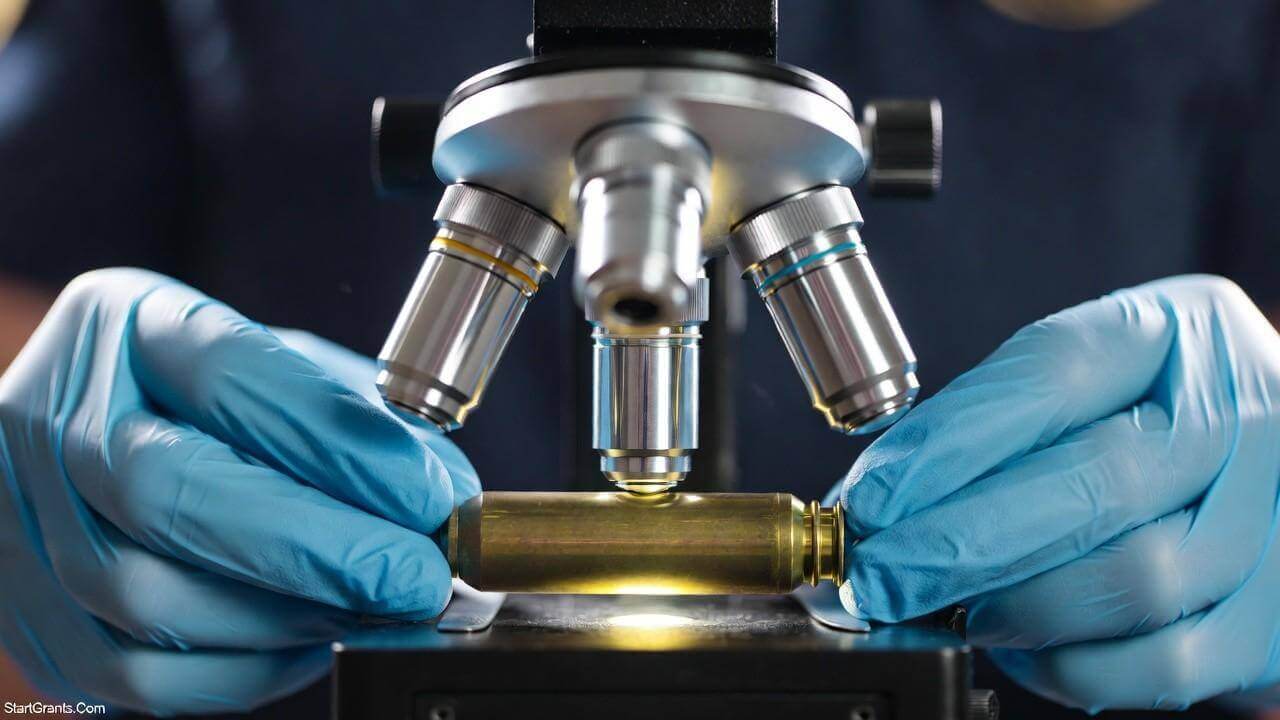
AFTE established the scholarship program to recognize outstanding students and encourage preparation for careers in forensic science, especially firearm and toolmark identification or closely related areas. AFTE may award one or more scholarships annually, with each award worth up to $2,000.
The award is paid directly to the recipient for the academic year beginning on or around the following September. Renewal is not automatic, but eligible students may submit a new application in a later year.
AFTE expressly states that this scholarship is financial assistance only. It does not include forensic-science coursework or an instructional program.
Who Is Eligible?
| Requirement | What AFTE requires |
|---|---|
| Degree level | Entering the third year or higher of a bachelor’s degree, or enrolled in any year of an MS, PhD, MD, or comparable advanced-degree program |
| Enrollment | Half-time or greater for the academic year beginning on or around the following September |
| Major | A natural, physical, or biological science |
| Career intent | Seeking or advancing a career in forensic science |
| Academic standard | Minimum 3.0 GPA on a 4.0 scale or equivalent; the linked instructions also state 75% or higher |
| Location and nationality | Students may attend a college or university in any location, and AFTE encourages applicants of any nationality |
Eligibility and forms may change. Confirm the current requirements on AFTE’s official scholarship page before applying.
Does a criminal justice or forensic psychology major qualify?
Not automatically. AFTE requires the applicant to major in a natural, physical, or biological science. A program title containing the word “forensic” does not by itself establish eligibility. Students in criminal justice, criminology, or psychology should compare their official major and curriculum with AFTE’s rule and ask the Scholarship Committee Chair if eligibility is uncertain.
Students whose primary field is psychology can review our separate guide to scholarships for psychology majors rather than assuming the AFTE award fits their degree.
What Must Be Submitted?
The application packet contains several components, and a missing or incorrectly submitted item can prevent consideration. The current official instructions require:
- a completed AFTE Scholarship Application;
- three AFTE Letter of Recommendation Forms from academic and/or employment references, as applicable; and
- an official transcript from each relevant institution.
All applications must be completed in English. Documents generated in another language, including official transcripts, must be accompanied by an English translation.
Application form and narrative responses
The official application asks about the applicant’s degree, major or minor, school, enrollment year, forensic-science coursework, interest in forensics, research, career goals, and relevant experience. It does not publish a generic essay prompt about “catching criminals” or require applicants to center firearm examination in every response.
The Scholarship Committee considers the quality of the narrative statement and responses, contributions to forensic science when applicable, and recommendations. Preference is given to students moving toward firearm and toolmark identification or working on a related project, but this is a preference rather than a separate universal eligibility requirement.
Recommendation forms
Applicants must use AFTE’s form for all three recommendations. References may be academic and/or employment-related, as applicable. The published instructions do not require one letter specifically from a laboratory professor or a practicing firearm examiner.
The applicant completes Part I and sends the entire form to each recommender. The recommender completes Part II and submits the form directly to the Scholarship Committee Chair during the application period. Applicants should choose people who can accurately discuss qualities such as analytical ability, reliability, initiative, professional behavior, motivation, communication, and perseverance.
Official transcripts
An unofficial scan or courtesy copy is not sufficient. An official transcript must be sent directly by the institution or through a secure credential-delivery service. AFTE may also accept an official transcript previously issued to the student if it remains in an institution-marked envelope with intact security features. Follow the current instructions carefully because email receipt and postal postmark rules differ.
How Selection and Payment Work
The Scholarship Committee usually completes selection by early May and then notifies applicants by email. The program is merit-based and states that awards are made without regard to age, race, sex, religion, or country of origin.
Funds are issued directly to the recipient as a U.S.-dollar check drawn on a U.S. bank. A bank may charge a processing or currency-conversion fee, particularly for an international recipient, and AFTE does not provide additional money to cover that fee.
The recipient is responsible for appropriate tax and financial-aid reporting and recordkeeping. Students should notify their college financial aid office because an outside scholarship may affect the aid package under the school’s policies. For personal tax questions, consult an appropriate tax professional.
How to Prepare for the Next Application Window
- Confirm eligibility early. Verify your degree level, enrollment intensity, major, career intent, and GPA before requesting documents.
- Download fresh forms. Do not reuse a saved application or recommendation form without confirming that AFTE still links to it for the new cycle.
- Plan three recommendations. Ask appropriate academic or employment references whether they can complete AFTE’s form during the submission period.
- Order official transcripts. Confirm processing time and arrange direct or secure delivery that follows AFTE’s instructions.
- Draft accurate responses. Explain coursework, research, experience, forensic interests, and career goals without overstating your record.
- Track each component. AFTE sends receipt confirmations as materials arrive; follow up if an expected confirmation is missing.
- Meet the current deadline. The ordinary date is April 1, but an extension in one year does not guarantee another extension.
Save This AFTE Scholarship Checklist
[ ] Verify third-year-or-higher bachelor status or advanced-degree enrollment.
[ ] Confirm at least half-time enrollment for the coming academic year.
[ ] Confirm a qualifying natural, physical, or biological science major.
[ ] Verify a 3.0 GPA or equivalent.
[ ] Download the current AFTE application and recommendation forms.
[ ] Prepare truthful answers about coursework, research, interests, and goals.
[ ] Arrange three recommendation forms.
[ ] Order official transcripts using an accepted delivery method.
[ ] Obtain English translations where required.
[ ] Confirm receipt of every application component.
A Muslim Perspective
A scholarship paid without a repayment or interest obligation is different from an interest-bearing student loan. Muslim students may view accurate scientific work, impartial analysis, truthful testimony, and responsible handling of evidence as matters of amanah. However, applicants should not assume that describing their faith creates a selection advantage; AFTE states that awards are made without regard to religion.
Applicants should answer the official questions honestly and focus on their documented education, research, experience, and career goals. Families seeking to avoid riba can combine scholarships, grants, savings, institutional aid, and other permissible assistance, then ask a qualified Islamic finance scholar to review any proposed financing agreement. StartGrants.com does not issue religious rulings.
Frequently Asked Questions
Is the 2026 AFTE Scholarship still open?
No. The 2026 deadline was extended to April 17, 2026, and that application period has closed. AFTE normally accepts applications from January 1 through April 1 each year.
How much is the AFTE Scholarship?
AFTE awards annual scholarships of up to $2,000. The wording “up to” means an applicant should not assume that every award will equal exactly $2,000.
Can first-year or second-year undergraduates apply?
No under the current requirements. A bachelor’s applicant must be entering the third year or higher for the upcoming academic year. Students in any year of an eligible advanced-degree program may apply.
Does a criminal justice major automatically qualify?
No. The applicant must major in a natural, physical, or biological science and intend to pursue a forensic-science career. Ask the Scholarship Committee Chair if your interdisciplinary program is difficult to classify.
How many recommendations are required?
Three AFTE Letter of Recommendation Forms are required. They may come from academic and/or employment references, as applicable, and recommenders must follow AFTE’s submission instructions.
Can non-U.S. citizens apply?
Yes. AFTE states that applicants of any nationality are encouraged to apply and that students may attend a college or university regardless of location. Non-English documents must be accompanied by English translations.
Can I email an unofficial transcript?
No. AFTE requires an official transcript delivered through an accepted official or secure method. A scan or courtesy copy sent by the applicant is not accepted.
Important Disclaimer: StartGrants.com is an independent information portal. It is not AFTE, a college, a scholarship provider, a government agency, a tax adviser, or a financial aid office, and it does not award scholarships. Application dates, forms, eligibility rules, award amounts, delivery instructions, and reporting requirements may change. Verify current information with AFTE and notify your school’s financial aid office about outside scholarship funds.