Last Updated: August 2026 | Author: Munir Ardi
After serving their country with honor, millions of military veterans face an unexpected and painful betrayal upon returning to civilian life: enrolling in VA Healthcare does not automatically grant you access to VA dental care.
The Department of Veterans Affairs operates under extremely strict, statutory eligibility criteria. Unless you sustained a documented dental injury during active combat, are classified as 100% service-connected disabled, or were a Prisoner of War (POW), the VA dental clinic will turn you away at the door. Over 85% of enrolled veterans are completely excluded from routine VA dental benefits, leaving them to battle excruciating toothaches, infections, and missing teeth on their own.
If you are searching for “dental grants for veterans,” you do not have to endure dental suffering or deplete your life savings. In this comprehensive 2026 guide, we break down the VA’s classification system and reveal the top national non-profits, state initiatives, and philanthropic grants providing free dental restorations to military veterans.
Before exploring veteran-specific funds, review the full spectrum of free and low-cost clinical solutions in our master guide on dental patient assistance programs.
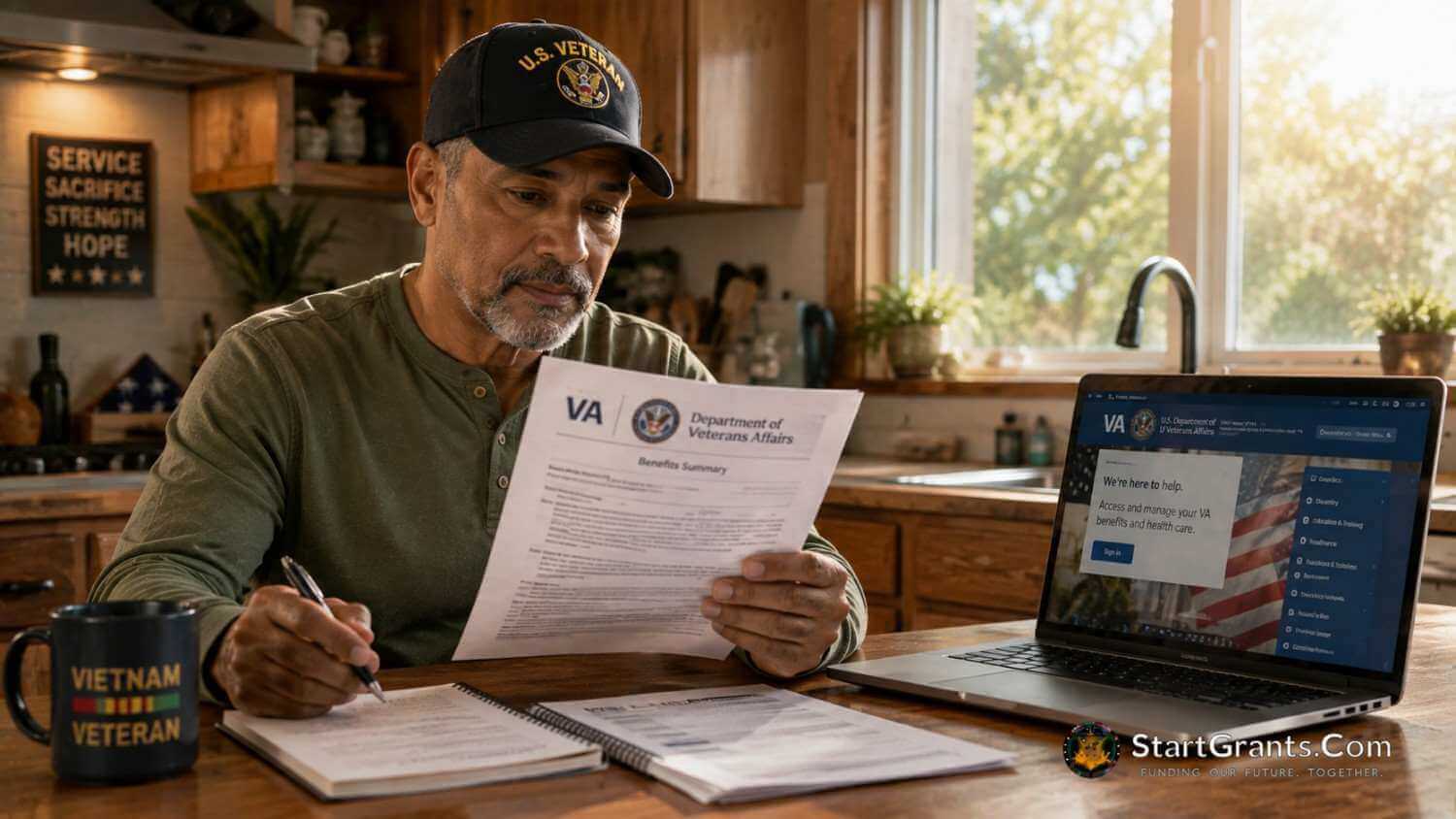
Over 85% of military veterans do not qualify for comprehensive VA dental care. In 2026, specialized non-profit grants and charity networks exist to provide veterans with 100% free dental treatment.
Phase 1: Decoding VA Dental Eligibility (The Strict Classification Tiers)
To determine whether you qualify for government-funded dental care through the VA, you must understand your assigned Dental Benefit Class. The law strictly limits comprehensive care to specific circumstances:
- Class I (100% Service-Connected): You have a service-connected dental condition or disability rated at 100% (or are paid at the 100% rate due to individual unemployability). You are eligible for full, comprehensive dental care.
- Class II (Service-Connected Dental Condition): You have a compensable service-connected dental disability (such as a broken jaw suffered during service). You receive care for that specific condition.
- Class IIa (Post-Discharge 180-Day Window): If you served on active duty for 90 days or more and apply within 180 days of discharge, you are entitled to a one-time course of free dental treatment, provided your military discharge records (DD-214) do not state that you received complete dental treatment prior to separation.
- Class III (POW Status): Former Prisoners of War are eligible for all needed dental services.
- Class IV & V (Vocational Rehab & Inpatient): Veterans participating in the Chapter 31 Veteran Readiness and Employment program or receiving certain VA hospital care can receive dental care to maintain employment or medical stability.
- Class VI (Homeless Veterans): Homeless veterans enrolled in programs such as HUD-VASH or domiciliary care are eligible for a one-time course of comprehensive dental treatment to assist in their community reintegration.
If you fall outside these narrow categories, check the official VA Dental Care Eligibility Portal (VA.gov) to confirm your rating before seeking external assistance.
Pro-Tip: The Official VA Dental Guidelines
Before you assume you do not qualify, you must understand the distinct pathways to VA dental eligibility. Many veterans are denied simply because they are unaware of exceptions like the 180-day post-discharge window, VR&E participation, or specific combat trauma rules.Watch this official breakdown directly from the U.S. Department of Veterans Affairs (theSITREP). They explain the exactly 9 ways veterans can qualify for full dental coverage, and what to do if you fall outside these strict statutory classifications:
Phase 2: Top Non-Profit Dental Grants for Military Veterans
When government programs fall short, private charities and philanthropic foundations step in to serve those who wore the uniform.
1. Everyone for Veterans (E4V) Dental Program
Everyone for Veterans is a dedicated non-profit organization that connects low-income combat veterans with compassionate civilian dentists across the United States.
- The Coverage: Participating dentists provide comprehensive dental care—including cleanings, fillings, root canals, and crowns—at absolutely zero charge to the veteran.
- Eligibility: Veterans who served in combat zones (or deployed areas) with an honorable discharge, whose household income falls below the federal low-income threshold, and who are not eligible for VA dental care. You can apply directly at the official Everyone for Veterans Portal.
2. Dental Lifeline Network (Donated Dental Services)
The Dental Lifeline Network operates the nationwide Donated Dental Services (DDS) program, utilizing a network of over 15,000 volunteer dentists and 3,000 labs.
- Veteran Priority: Many state chapters prioritize military veterans who are elderly, permanently disabled, or medically compromised. The care provided is comprehensive, covering major surgeries and full mouth restorations.
3. Aspen Dental: Healthy Mouth Movement (Day of Service)
Once a year, Aspen Dental practices nationwide host their annual Day of Service, offering free dental care exclusively to military veterans. Services focus on pain relief, surgical extractions, and critical hygiene treatments to eliminate infections.
4. VFW & American Legion Emergency Relief Funds
Local chapters of the Veterans of Foreign Wars (VFW) and the American Legion manage Unmet Needs and Temporary Financial Assistance grants. These funds provide emergency micro-grants of up to $1,500 to $2,500 that can be issued directly to a local dental clinic to settle acute oral surgery bills.
Phase 3: Strategic Integration (Targeted Veteran Pathways)
Depending on your age, financial standing, and immediate oral health requirements, you should link your veteran benefits to these related dental strategies:
- Aging Veterans on Fixed Incomes: If you are a senior veteran receiving Social Security or Medicare, explore dual-coverage grants in our guide on dental grants for seniors on Medicare.
- In Need of Full or Partial Dentures? Replacing lost teeth can cost thousands. Discover specific non-profit denture programs in our guide to grants for dentures.
- Emergency Pain Relief: If you are suffering from an acute tooth abscess and cannot wait months for veteran grant paperwork, read our tactical protocol on how to fix bad teeth with no money immediately.
- Functional vs. Cosmetic Restorations: Charitable veteran grants strictly fund medically necessary treatments. If you are seeking veneers or elective whitening, review the differences in our breakdown of cosmetic dentistry grants.
Phase 4: The Islamic Perspective (Fiqh of Veteran Rights & Avoiding Riba)
For Muslim veterans who served in the armed forces, navigating healthcare financing requires careful attention to Islamic commercial jurisprudence (Fiqh al-Mu’amalat).
When facing costly dental procedures outside the VA, clinics frequently market medical credit cards (such as CareCredit) featuring deferred-interest promotions.
1. The Prohibition of Deferred-Interest Contracts (Riba)
Under classical Islamic financial law, signing a financing contract that contains a clause mandating compound interest upon a missed deadline is impermissible (Haram). Riba (usury) remains strictly forbidden, even if the borrower intends to pay off the balance before the promotional 0% interest period expires. Signing an agreement that stipulates interest if a condition is triggered compromises financial purity.
2. The Halal Status of Veteran Benefits & Community Zakat
Muslim veterans have clear, lawful (Halal) avenues to secure care:
- Veteran Entitlements as Earned Rights (Haqq): Government benefits, VA-negotiated insurance (VADIP), and state-sponsored veteran assistance are not charity; they represent earned contractual rights (Ujrah and Haqq) resulting from employment and service. Accepting these benefits carries full religious legitimacy and zero spiritual compromise.
- Eligibility for Zakat: A veteran experiencing severe economic distress who cannot afford necessary oral healthcare falls squarely under the Quranic categories of Zakat eligibility—specifically Al-Fuqara (the poor) and Al-Masakin (the needy). Local Islamic centers and community Zakat committees are fully authorized to disburse funds to pay for a veteran’s dental extractions, infection control, or prosthetics.
Receiving contractual veteran entitlements or community Zakat for essential dental rehabilitation is completely Halal, safeguarding Muslim veterans from the burden of predatory interest-bearing medical debt.
Conclusion: Your Veteran Dental Action Plan
Securing “dental grants for veterans” requires a methodical, step-by-step approach. Do not let initial VA rejections discourage you from seeking the care you earned.
Your tactical checklist:
- Audit Your VA Rating: Check your official VA disability summary letter. If your service-connected rating has increased to 100%, contact your nearest VA medical center to request immediate dental enrollment.
- Apply to Non-Profit Programs: If you are a combat veteran with low income, submit an application to Everyone for Veterans. If you have chronic medical conditions or disabilities, apply to the Dental Lifeline Network (DDS).
- Contact Veteran Service Organizations (VSOs): Reach out to your local VFW or American Legion post service officer to inquire about emergency unmet-needs dental grants.
- Explore Community Health Centers: Locate your nearest Federally Qualified Health Center (FQHC) for sliding-fee preventative care while your grant applications are under review.
You stood on the front lines to protect your country; you should never have to suffer from untreated dental pain. Utilize these non-profit networks and earned benefits to restore your smile debt-free.
Comprehensive Frequently Asked Questions (FAQs)
Q1: Why doesn’t the VA automatically provide dental care to all enrolled veterans?
A: Federal law (Title 38 of the United States Code) strictly limits VA dental benefits to veterans meeting specific statutory criteria, such as having a 100% service-connected disability rating, having a service-connected dental condition, or being a former POW. Routine dental care is not guaranteed under standard VA health enrollment.
Q2: What is the VA Dental Insurance Program (VADIP)?
A: VADIP is a voluntary program that allows veterans enrolled in VA healthcare and CHAMPVA beneficiaries to purchase discounted private dental insurance through Delta Dental or MetLife. While not a free grant, it provides reduced premiums and copays for veterans who do not qualify for free VA dental care.
Q3: Can a veteran get free emergency dental care at the VA?
A: In cases of severe trauma, hemorrhage, or acute infection threatening the airway, VA emergency rooms will stabilize the patient. However, once the acute emergency is controlled, ongoing restorative dental treatment will not be provided unless the veteran meets standard VA dental eligibility criteria.
Q4: How does the Everyone for Veterans (E4V) program work?
A: Everyone for Veterans partners with civilian dentists who volunteer their time and materials. Eligible low-income combat veterans are matched with a local provider who performs comprehensive dental treatment completely free of charge.
Q5: Can I get free dentures through veteran charity grants?
A: Yes. Programs like Dental Lifeline Network (DDS) frequently collaborate with volunteer dental laboratories to fabricate full and partial dentures at zero cost for eligible low-income, disabled, or elderly veterans.
Q6: What is the 180-day post-discharge dental rule?
A: Under Class IIa eligibility, if you served on active duty for at least 90 days and separate with an honorable discharge, you may receive a one-time course of free VA dental care if you apply within 180 days of discharge, provided your DD-214 does not verify complete dental treatment before separation.
Q7: Do Federally Qualified Health Centers (FQHCs) offer discounts to veterans?
A: Yes. FQHCs receive federal funding to provide healthcare to all individuals regardless of insurance status. They use a sliding-fee scale based strictly on household income, allowing low-income veterans to receive affordable cleanings, fillings, and extractions.
Q8: Is it permissible in Islam for a Muslim veteran to receive VA dental benefits or Zakat?
A: Yes. Government veteran benefits are earned contractual rights (Haqq) associated with service and are entirely Halal. Furthermore, if a veteran experiences severe financial hardship, receiving Zakat assistance for medical necessities is fully permissible and encouraged under Islamic law.
Important Disclaimer: StartGrants.com is an independent information portal. We are not a government agency, the Department of Veterans Affairs, or a direct healthcare provider. Always verify current program rules directly with the respective organization.