
Last Updated: May 2026 | Author: Zee
Every two seconds, someone in the United States needs blood. From emergency trauma victims to patients battling leukemia, the demand for healthy blood donors is endless. However, as the legalization of marijuana (cannabis) continues to expand across various states, millions of potential donors are left wondering if their lifestyle choices disqualify them from saving lives.
The internet is filled with conflicting information. Many people falsely assume that consuming cannabis automatically places them on an FDA blacklist. Navigating the complex world of bodily fluid donation requires strict adherence to medical facts, not rumors. (To see how medical donations fit into the broader scope of charity, review our medical and health donations sub-pillar, or our comprehensive guide to donations and fundraising.)
In this 2026 guide, we will answer the question: Can you donate blood if you smoke weed? We will break down the official American Red Cross policies, the danger of synthetic marijuana, and the nuanced Islamic perspective on donating bodily fluids when intoxicants are involved.
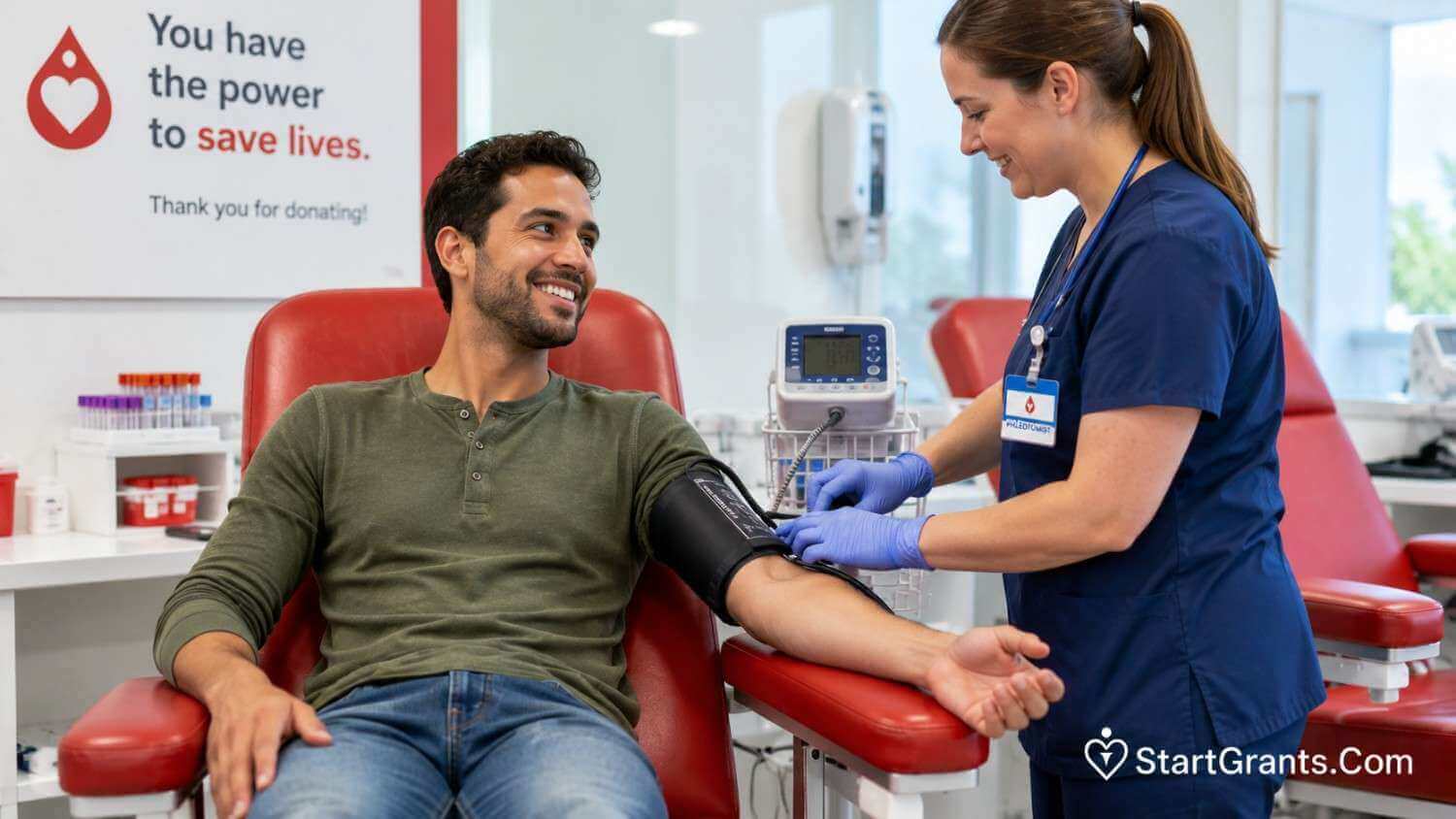
The American Red Cross and the FDA have very specific guidelines regarding THC, prescription medications, and blood donation eligibility.
Phase 1: The Official Stance (FDA & Red Cross)
Let’s cut straight to the medical facts: Yes, you can donate blood if you smoke weed.
Neither the Food and Drug Administration (FDA) nor the American Red Cross bans individuals from donating blood simply because they consume natural marijuana (whether smoked, vaped, or ingested via edibles). The presence of THC (tetrahydrocannabinol) in your bloodstream does not automatically disqualify your blood from being used in life-saving transfusions.
Before you roll up your sleeve, it is vital to understand all the baseline requirements for donating, which you can review in our master guide on the importance of blood donation, requirements, and tips. While THC itself is not a ban-worthy substance, how and when you consume it matters immensely to the phlebotomist taking your blood.
Phase 2: The “Visible Impairment” Rule
While the Red Cross allows cannabis users to donate, they enforce a strict zero-tolerance policy on visible impairment.
You cannot show up to a blood drive high. If a medical professional suspects that you are under the influence of marijuana, alcohol, or any prescription medication at the exact time of your appointment, you will be turned away immediately.
Why does this rule exist?
- Legal Consent: Donating blood is a medical procedure. Legally, you cannot give informed consent to a medical procedure if you are under the influence of mind-altering substances.
- Donor Safety: Donating blood temporarily lowers your blood pressure. Marijuana can also cause fluctuations in heart rate and blood pressure. Combining the two increases the risk of you fainting, vomiting, or suffering an adverse physical reaction in the clinic.
The Golden Rule: If you smoke or consume edibles, you must wait until the psychoactive effects have completely worn off before you attempt to donate blood.
Pro-Tip: Medical Screening
If you are worried about what medications or substances might disqualify you, transparency is key. Watch this official breakdown from medical professionals on exactly what they look for during the blood donation screening process:
Phase 3: The Danger of Synthetic Marijuana (K2/Spice)
While natural cannabis is accepted, there is a massive exception to the rule: Synthetic Marijuana.
If you have consumed synthetic cannabinoids (often sold under street names like K2, Spice, or synthetic weed), you are banned from donating blood. The FDA strictly prohibits blood centers from accepting donations from individuals who use synthetic marijuana because these substances are created in unregulated laboratories. They contain unknown, dangerous, and constantly changing chemicals that can be fatal if transfused into a medically fragile patient.
(Note: The strictness regarding chemical transfer is why different bodily fluids have vastly different donation rules. For example, the FDA’s rules for blood are different from the intense dietary and substance restrictions placed on mothers exploring breast milk donation, as infants are highly susceptible to transferred compounds).
Phase 4: The Muslim Perspective (Halal, Haram, and Medical Necessity)

In Islamic jurisprudence, saving a human life overrides many standard restrictions, but the consumption of intoxicants (Khamr) requires strict spiritual boundaries.
For Muslim donors, the question of donating blood after consuming marijuana crosses directly into Islamic jurisprudence (Fiqh). The intersection of secular medical rules and Islamic ethics requires careful navigation.
1. Marijuana as an Intoxicant (Khamr)
In Islam, consuming natural or synthetic marijuana for recreational purposes is strictly Haram (forbidden). It is classified as an intoxicant (Khamr), which clouds the mind and alters judgment. The Prophet Muhammad (PBUH) stated, “Every intoxicant is Khamr, and every Khamr is Haram.” (Medical marijuana prescribed by a certified physician for a severe, untreatable illness falls under a different ruling of Darurah or necessity, but recreational use is unequivocally banned).
2. Can a Sinner Save a Life?
If a Muslim has fallen into the sin of consuming marijuana recreationally, does that mean their blood is spiritually “impure” and unfit for donation? No.
In Islamic theology, the physical blood of a human being does not become spiritually filthy (Najis) to the point of being medically useless simply because they committed a sin. If a marijuana user is completely sober and wishes to donate blood to save a life, they should do so. In the Qur’an (5:32), Allah states: “And whoever saves one [life] – it is as if he had saved mankind entirely.” The obligation to save a life remains paramount.
3. The Conditions for the Muslim Donor
If a Muslim who has used marijuana wishes to donate blood, they must adhere to two strict conditions:
- Total Sobriety: As the Red Cross dictates, they must not be under the influence. From an Islamic standpoint, approaching a life-saving medical procedure while intoxicated compounds the sin.
- Repentance (Tawbah): The act of donating blood is a noble, charitable deed (Sadaqah). However, it does not erase the sin of consuming Khamr. The donor must perform sincere Tawbah (repentance) for consuming the intoxicant, while hoping Allah accepts their life-saving donation as a good deed.
Phase 5: The Ultimate Impact (Who Gets Your Blood)
When your blood is drawn, it does not just sit in a refrigerator. It is rapidly tested, separated into red cells, platelets, and plasma, and dispatched to hospitals. Your single donation can save up to three lives.
Your blood is critical for accident victims, patients undergoing massive surgical procedures, and specifically, those fighting severe illnesses. For example, children undergoing harsh chemotherapy often require daily blood transfusions to survive. To understand how vital these contributions are to the pediatric oncology ecosystem, you can review how organizations manage Children’s Cancer Research Fund donations.
Furthermore, regular blood and platelet donations are the lifeline for adult oncology patients. Discover exactly how this fluid sustains life in our guide detailing donations to cancer survivors.
Conclusion: Sobriety is the Key
Can you donate blood if you smoke weed? The medical answer is a definitive yes, provided you are using natural cannabis and you are completely sober at the time of your appointment. The FDA and the Red Cross care about the safety of the donor and the purity of the blood, which is why synthetic marijuana is strictly banned.
For the Muslim community, the ethical boundaries are clear: while recreational marijuana is Haram, the noble act of saving a life through blood donation remains a massive spiritual obligation. Wait until you are sober, be entirely honest during your medical screening questionnaire, and roll up your sleeve. Your blood is desperately needed.
Frequently Asked Questions (FAQs)
Q1: Will the Red Cross test my blood for THC?
A: No. Blood donation centers do not test your blood for THC or other recreational drugs. They test your blood for infectious diseases like HIV, Hepatitis B and C, Syphilis, and West Nile Virus. However, you must answer the health questionnaire honestly.
Q2: What happens if I show up to donate blood while high?
A: You will be deferred (turned away). Medical professionals cannot legally accept consent for a medical procedure from someone who is visibly impaired by marijuana, alcohol, or prescription drugs.
Q3: How long should I wait to donate blood after smoking weed?
A: The Red Cross does not have a specific “wait time” for natural marijuana like they do for certain antibiotics. The only requirement is that you are not under the influence at the time of donation. Waiting 24 hours is a safe, recommended baseline to ensure your heart rate and blood pressure have stabilized.
Q4: Can I donate blood if I use synthetic marijuana (K2, Spice)?
A: No. The FDA strictly bans individuals who have used synthetic marijuana from donating blood due to the unknown and highly dangerous chemicals found in those unregulated substances.
Q5: Is it Haram for a Muslim to receive a blood transfusion from a marijuana user?
A: No. In Islamic medical ethics, receiving a blood transfusion is a matter of life and death (Darurah). The life-saving nature of the blood overrides the lifestyle choices of the donor. The recipient bears no sin for receiving screened, medically safe blood.
Important Disclaimer: StartGrants.com is an independent information portal. We are not a medical facility or a blood bank. Donation eligibility guidelines can change. Always verify your specific medical and lifestyle eligibility directly with the American Red Cross or your local blood donation center before attempting to donate.