
Last Updated: June 2026 | Author: Zee
Autism Spectrum Disorder (ASD) is one of the most complex frontiers in modern medical science. Understanding neurodivergence requires a multidisciplinary approach, combining genetics, neurobiology, and behavioral therapies. However, building the clinical infrastructure and conducting longitudinal studies to support autistic individuals is astronomically expensive. For universities and clinical centers, the engine driving this progress is specialized autism research grants.
Before deploying your grant-writing team to target specific ASD foundations, your institution must understand the broader financial ecosystem. We mandate that all administrative personnel report back to our Tier 2 directory on medical research and institutional grants to understand how foundation funding operates alongside massive federal programs.
Whether your laboratory is studying synaptic pathways or your clinic is developing advanced early-intervention behavioral models, here is your 2026 tactical blueprint for securing massive institutional funding.
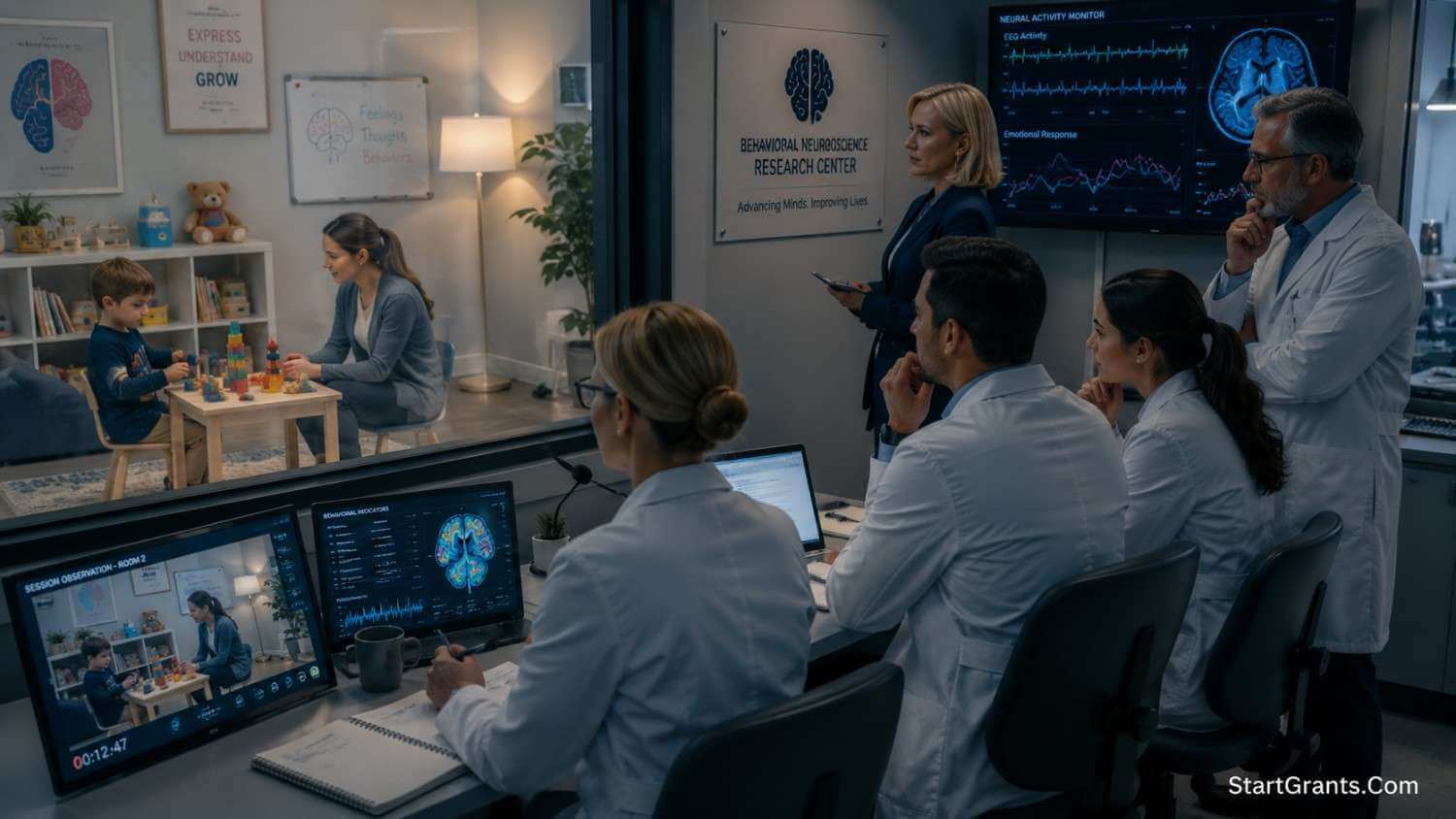
Unlocking the complexities of Autism Spectrum Disorder (ASD) requires massive institutional capital. Federal agencies and private foundations provide vital autism research grants to fund everything from genetic mapping to behavioral intervention studies.
Phase 1: Major Federal and Foundation Targets
Because ASD research spans both biological science and psychology, funding is highly categorized. You must apply to the foundation that matches your exact scientific discipline.
1. SFARI (Simons Foundation Autism Research Initiative)
For laboratories focused strictly on the hard sciences (genetics, molecular biology, and neuroscience), SFARI is the premier private funding target. They offer highly lucrative grants such as the Pilot Award (for exploring novel, untested hypotheses) and the Research Award (for mature projects with solid preliminary data). They are heavily focused on uncovering the biological mechanisms underlying ASD.
2. NIH Autism Centers of Excellence (ACE) Program
The National Institutes of Health (NIH) runs the ACE program, which awards massive, multi-million dollar grants. These are not for individual researchers, but for entire universities or collaborative networks aiming to establish dedicated research centers. This funding requires massive administrative capabilities and a proven track record of significant scientific output.
3. Autism Speaks Science Grants
Autism Speaks offers a variety of grants, including predoctoral and postdoctoral fellowships. They often focus on translational research—meaning science that can be quickly translated into practical clinical therapies, technologies, or community support systems that directly improve the quality of life for autistic individuals.
Horizontal Strategy: The study of autism is deeply intertwined with brain architecture. If your institution is conducting hard neurobiological research, you must cross-reference our guide on how to get a neuroscience research grants to expand your federal funding strategy.
Pro-Tip: Structuring a Winning NIH Proposal
Securing massive federal funding from the NIH requires a proposal that perfectly balances biological inquiry with administrative precision. Watch this comprehensive video series, starting with the 5 Keys to Writing a Successful NIH R01, to guide your research team through the entire highly competitive grant review process:
Phase 2: The Muslim Perspective (Amanah, Rahmah, & Riba)

Caring for neurodivergent individuals is a profound Amanah (trust). Expanding autism clinics and research facilities through Halal grant funding (Hibah) ensures that this sacred work remains free from the spiritual harm of Riba (usury).
For Muslim clinicians, neuroscientists, and institutional leaders, supporting neurodivergent individuals is deeply rooted in the Islamic principles of Amanah (a sacred trust) and Rahmah (mercy). Children and adults with autism are a trust given to the community, and discovering ways to support them is a religious obligation. However, funding the expansion of these clinical and research efforts must be done within the strict boundaries of Islamic finance.
1. The Riba Trap in Clinical Expansion
Building a new behavioral research clinic, hiring specialized ASD therapists, or purchasing neuro-imaging equipment costs millions. When Muslim-led institutions lack capital, they are often tempted to secure commercial business loans from conventional banks. Paying Riba (interest) on these loans is strictly Haram. Building a facility dedicated to Rahmah on a foundation of Riba compromises the spiritual purity and Barakah (blessings) of the entire institution.
2. The Halal Power of Hibah Funding
The only Halal strategy for massive institutional expansion is through the pursuit of federal and foundation grants. Because grants from organizations like SFARI or the NIH do not require repayment and do not accrue interest, they function as pure Hibah (gifts). Securing Hibah allows Muslim researchers to conduct cutting-edge science while remaining financially and spiritually clean.
3. Supporting Muslim Special Needs Initiatives
Research must ultimately serve the community. For Muslim families and researchers navigating the intersection of autism, special needs, and Islamic community life, MUHSEN (Muslims Understanding and Helping Special Education Needs) is the premier organization in North America. They work to certify Mosques as special-needs friendly and provide vital resources, proving that institutional research and community support must walk hand-in-hand.
Conclusion: Funding the Future of Neurodiversity
The key to unlocking better support, therapies, and biological understanding of Autism Spectrum Disorder lies in robust, sustained institutional funding. The money exists, but it is guarded by highly competitive peer-review panels.
Your institutional strategy is to align your specific discipline—whether it is genetics for SFARI or clinical networks for the NIH ACE program—with the right grantor. For Muslim-led institutions, aggressively securing these Halal Hibah grants ensures that your sacred duty of providing Rahmah to the neurodivergent community is fulfilled without the spiritually destructive burden of Riba.
Frequently Asked Questions (FAQs)
Q1: What is the difference between SFARI and Autism Speaks grants?
A: SFARI (Simons Foundation) primarily funds hard biological science, focusing heavily on genetics, molecular mechanisms, and neurobiology underlying autism. Autism Speaks funds a broader spectrum, including biology, but also places a heavy emphasis on behavioral interventions, clinical therapies, and community support research.
Q2: Can a private behavioral clinic apply for NIH autism grants?
A: It is difficult for a standalone private clinic to win massive NIH grants directly. Typically, these grants are awarded to major universities or research hospitals. However, a private clinic can partner with a university as a sub-contractor to conduct clinical trials or behavioral studies as part of a larger NIH-funded project.
Q3: Are there grants specifically for minority or underserved autism research?
A: Yes. Both the NIH and private foundations increasingly issue specific “Calls for Proposals” aimed at studying autism disparities in minority communities, as ASD is often diagnosed much later in minority children. Researchers focusing on health equity have dedicated funding tracks available to them.
Q4: How long does the grant application process take?
A: The institutional grant process is notoriously slow. From submitting the initial Letter of Intent (LOI) to the final disbursement of funds, the cycle for major federal or foundation grants can take anywhere from 6 to 12 months. Institutions must have financial reserves to operate while waiting for grant approvals.
Important Disclaimer: StartGrants.com is an informational directory. We are not affiliated with the NIH, SFARI, Autism Speaks, or any private foundation. Grant guidelines, funding priorities, and application deadlines change constantly. Always consult the official Request for Application (RFA) from the funding agency and coordinate with your institution’s grant administration office before applying.