
Last Updated: May 2026 | Author: Zee
For individuals battling severe obesity, type 2 diabetes, and life-threatening sleep apnea, bariatric surgery is not a shortcut—it is a medically necessary, life-saving intervention. In fact, for many patients suffering from end-stage renal disease, achieving significant weight loss through bariatric procedures is a mandatory requirement before they can even qualify for kidney transplant financial assistance. Unfortunately, the American health insurance system often disagrees. Millions of patients discover that their employer-sponsored health plans contain a strict “Bariatric Exclusion,” meaning the insurance company will not pay a single dollar toward a Gastric Bypass or Gastric Sleeve, regardless of medical necessity.
With out-of-pocket costs ranging from $15,000 to $25,000, patients are often left feeling hopeless. If you are exploring funding options for other types of medical procedures outside of weight loss, please ensure your strategy is anchored by reviewing our master directory on surgery and operation grants. This guide is dedicated exclusively to helping you fund your bariatric journey.
Whether you need to appeal an insurance denial, apply for specialized foundation grants, or navigate the ethical financial considerations of major medical debt, this 2026 guide is your roadmap to the operating room.
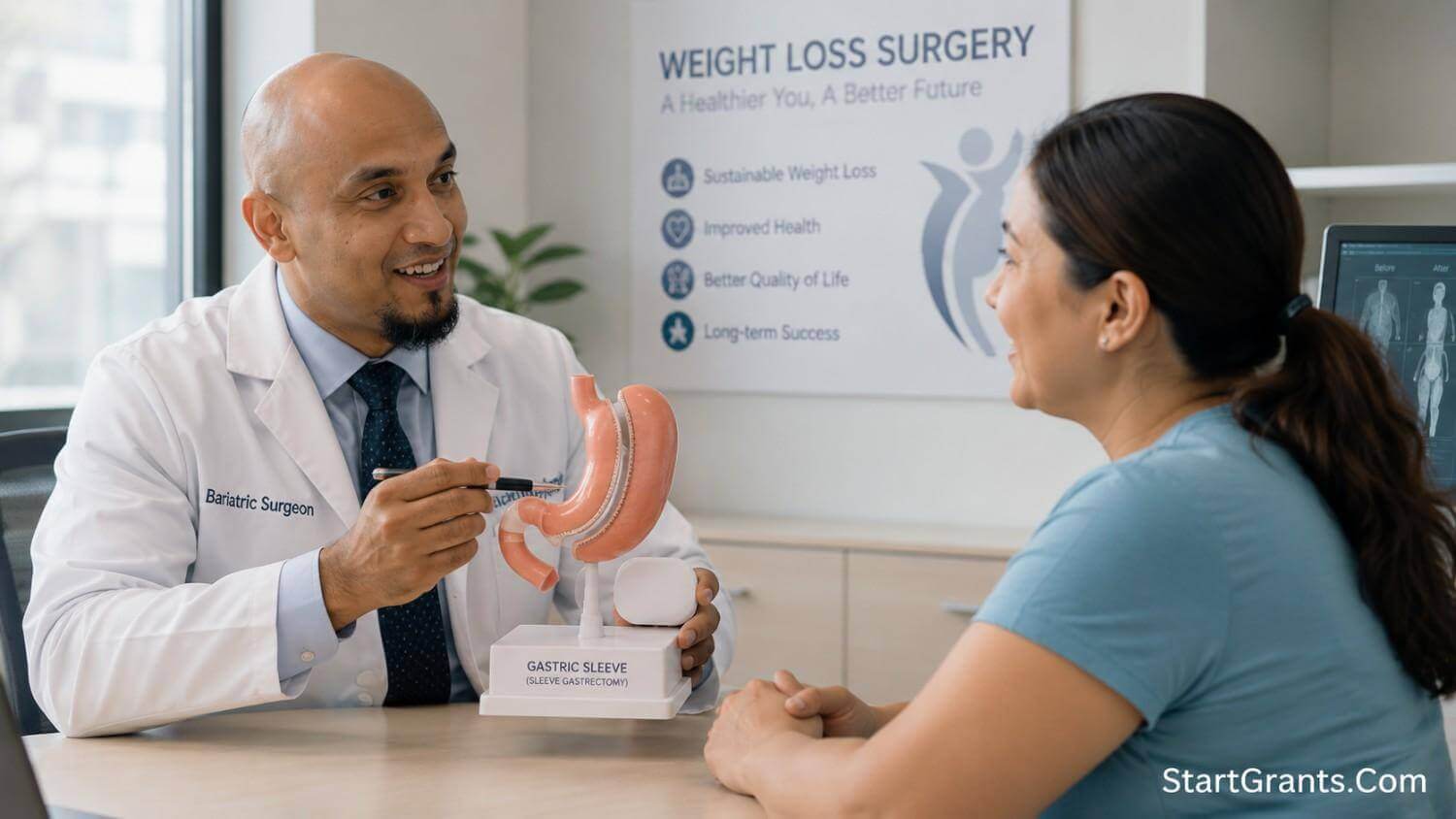
Bariatric surgery is a life-saving medical intervention, not a cosmetic luxury. When insurance refuses to pay, specialized grants and charity care can step in to save your life.
Phase 1: Battling the “Bariatric Exclusion”
Before seeking external grants, you must exhaust your insurance options. There is a massive difference between a Denial and an Exclusion.
- A Denial: The insurance company covers bariatric surgery, but they rejected your specific claim because you did not meet their criteria (e.g., your BMI was 34 instead of 35, or you didn’t finish a 6-month supervised diet). Action: You can appeal a denial. Work with your surgeon to gather letters of medical necessity from your cardiologist or endocrinologist to force the approval.
- An Exclusion: Your employer explicitly chose a health plan that does not cover weight loss surgery under any circumstances. You cannot appeal an exclusion. If you have an exclusion, you must pivot immediately to the grants and strategies below.
Phase 2: The WLSFA (The Premier Bariatric Grant)
Because insurance exclusions are so common, a specific foundation was created to bridge this exact gap. The Weight Loss Surgery Foundation of America (WLSFA) is the largest philanthropic organization in the country dedicated to funding bariatric procedures.
How the WLSFA Grant Works:
- Eligibility: You must prove that you have been approved for surgery by a board-certified bariatric surgeon, but lack the insurance coverage or financial means to pay for it.
- The Catch (The 10% Rule): The WLSFA does not just hand out free money. They require “skin in the game.” Grant recipients are usually required to raise 10% of the funds themselves (often through a foundation-sponsored crowdfunding page), and the WLSFA will cover the remaining 90%.
- What it Covers: They cover the core surgical procedures (Sleeve, Bypass, DS) as well as necessary reconstructive skin removal surgeries following massive weight loss.
Pro-Tip: Winning the WLSFA Grant
This grant is highly competitive. Watch this breakdown of what the foundation looks for in a winning application, emphasizing medical urgency and community commitment:
Phase 3: Hospital Charity Care (The Federal Loophole)
If you cannot secure a grant, your next target is the hospital itself. Under the Affordable Care Act, all non-profit hospitals (which make up over 50% of US hospitals) must maintain a Financial Assistance Policy (FAP), commonly known as Charity Care.
The Strategy:
- Find a Non-Profit Hospital: Ensure your bariatric surgeon has operating privileges at a 501(c)(3) non-profit hospital, not a private surgical center.
- Apply Pre-Surgery: Ask the hospital’s billing department for their Charity Care application before you schedule the surgery.
- The Result: Depending on your income relative to the Federal Poverty Level (FPL), the hospital is legally required to discount your bill by 50%, 80%, or even 100%. If you qualify for 100% forgiveness, the hospital absorbs the cost of the operating room, anesthesia, and nursing staff. You may only have to pay the surgeon’s personal fee.
Phase 4: The Muslim Perspective (Ethical Funding & Health as an Amanah)
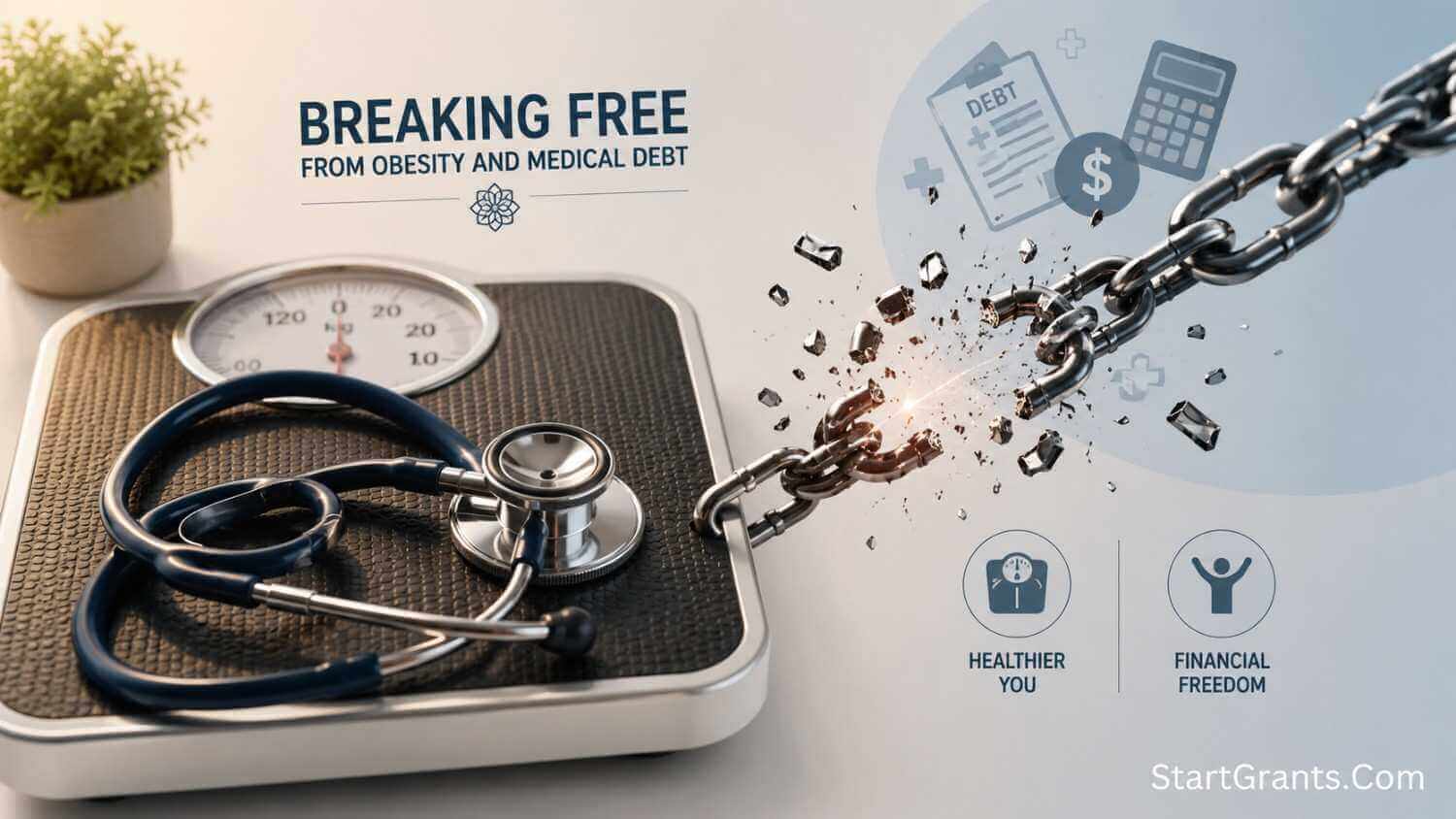
Your body is a sacred trust (Amanah). Seeking life-saving surgical treatment is encouraged, provided you finance it through ethical, interest-free pathways.
For Muslim patients suffering from severe obesity, the pursuit of bariatric surgery involves navigating both medical ethics and strict financial jurisprudence (Fiqh).
1. Is Bariatric Surgery Halal?
Islam strictly prohibits elective cosmetic surgeries meant solely to alter one’s appearance out of vanity (At-Taghyir). However, bariatric surgery is classified as medical treatment (At-Tadawi). When severe obesity leads to life-threatening conditions like heart disease, diabetes, or severe joint deterioration, undergoing surgery to preserve life and restore health is not only permissible but highly encouraged. The human body is an Amanah (a sacred trust from Allah), and protecting it is an obligation.
2. The Trap of Medical Credit Cards
The ethical dilemma arises when paying for the surgery. Bariatric clinics aggressively market medical credit cards (like CareCredit or Alphaeon) to patients who lack insurance. These cards often feature “deferred interest” traps that can skyrocket to 26% if the balance is not paid off in time. Engaging in Riba (usurious interest) is a major sin in Islam.
The Halal Approach: Muslim patients must prioritize Halal financing. This means exhausting the WLSFA grants, leveraging Hospital Charity Care, utilizing interest-free payment plans directly with the surgeon, or seeking community support before ever considering a high-interest medical loan.
Phase 5: Medical Tourism (The Geographically Cheaper Route)
If you have an insurance exclusion, are denied the WLSFA grant, and do not qualify for Charity Care, your final option for affordable surgery is Medical Tourism.
The exact same Gastric Sleeve that costs $18,000 in the United States costs roughly $3,500 to $5,000 in countries like Turkey or Mexico. For Muslim patients specifically, Turkey (Istanbul) has become the premier global hub for bariatric surgery.
- The Advantage: The packages usually cover the surgery, hospital stay, hotel accommodation, and VIP transfers. Furthermore, Turkey offers world-class, JCI-accredited hospitals in a completely Halal-friendly environment, ensuring your dietary needs post-op are easily managed.
- The Warning: Thoroughly vet your surgeon. Ensure they are a member of the International Federation for the Surgery of Obesity (IFSO) to guarantee they meet global safety standards.
Conclusion: Your Health is Worth the Fight
Being denied by your insurance company is devastating, but it is not the end of the road. Bariatric surgery is a critical, life-altering procedure that you deserve access to.
By shifting your focus to specialized foundations like the WLSFA, utilizing federal Charity Care policies at non-profit hospitals, and avoiding predatory medical debt, you can finance your surgery safely. Start gathering your letters of medical necessity today—your path to a healthier life is waiting.
Frequently Asked Questions (FAQs)
Q1: Will Medicaid or Medicare pay for bariatric surgery?
A: Yes, but with strict conditions. Both Medicare and Medicaid will cover bariatric surgery if you meet the medical criteria (usually a BMI over 35 with at least one comorbidity like diabetes or severe sleep apnea). However, they require you to jump through numerous hoops, including documented supervised weight loss attempts and psychological evaluations.
Q2: Can I get a grant for skin removal surgery after weight loss?
A: Yes. The WLSFA (Weight Loss Surgery Foundation of America) occasionally awards grants for reconstructive plastic surgery (like a panniculectomy) for patients who have lost massive amounts of weight, provided the excess skin is causing documented medical issues (like chronic infections), not just cosmetic concerns.
Q3: Is CareCredit a safe way to pay for a Gastric Sleeve?
A: CareCredit is a legitimate financial tool, but it is incredibly risky. They often offer “0% interest for 12 months.” However, if you miss a single payment or have a balance remaining on month 13, you will be hit with retroactive interest (often 26% or higher) on the entire original amount. It should only be used if you are absolutely certain you can pay it off early.
Q4: How do I find a non-profit hospital for Charity Care?
A: You can use the American Hospital Association’s directory or simply ask the hospital’s billing department directly: “Are you a registered 501(c)(3) non-profit facility?” If they are, federal law requires them to have a Financial Assistance Policy accessible to the public.
Important Disclaimer: StartGrants.com is an informational directory and does not provide medical or financial advice. Bariatric surgery carries clinical risks and requires lifelong dietary commitments. Always consult a board-certified bariatric surgeon and a registered dietitian before making medical decisions.




I’m looking for assistance with bypass revisit. My BMI is 40. Would you please instruct me on what to do?