
Last Updated: April 2026 | Author: Zee
A cancer diagnosis brings life to an immediate, terrifying halt. For a teenager or young adult, surviving the physical and emotional toll of chemotherapy, radiation, and surgeries is the ultimate victory. However, the battle rarely ends when remission begins.
The reality of surviving cancer in the United States often includes a devastating side effect known as “financial toxicity.” The astronomical out-of-pocket costs of life-saving treatments, combined with a parent’s lost wages during caregiving, can completely obliterate a family’s college savings.
But the higher education system and a massive network of philanthropic organizations refuse to let cancer steal your academic future. There are millions of dollars in federal overrides, institutional waivers, and private super-grants designed exclusively to fund the education of cancer survivors.
In this comprehensive 2026 guide, we will dismantle the financial aid ecosystem for survivors. We will explore how to force the FAFSA to account for your medical debt, how to secure massive endowments from organizations like Cancer for College, and how to build a debt-free path to your degree.
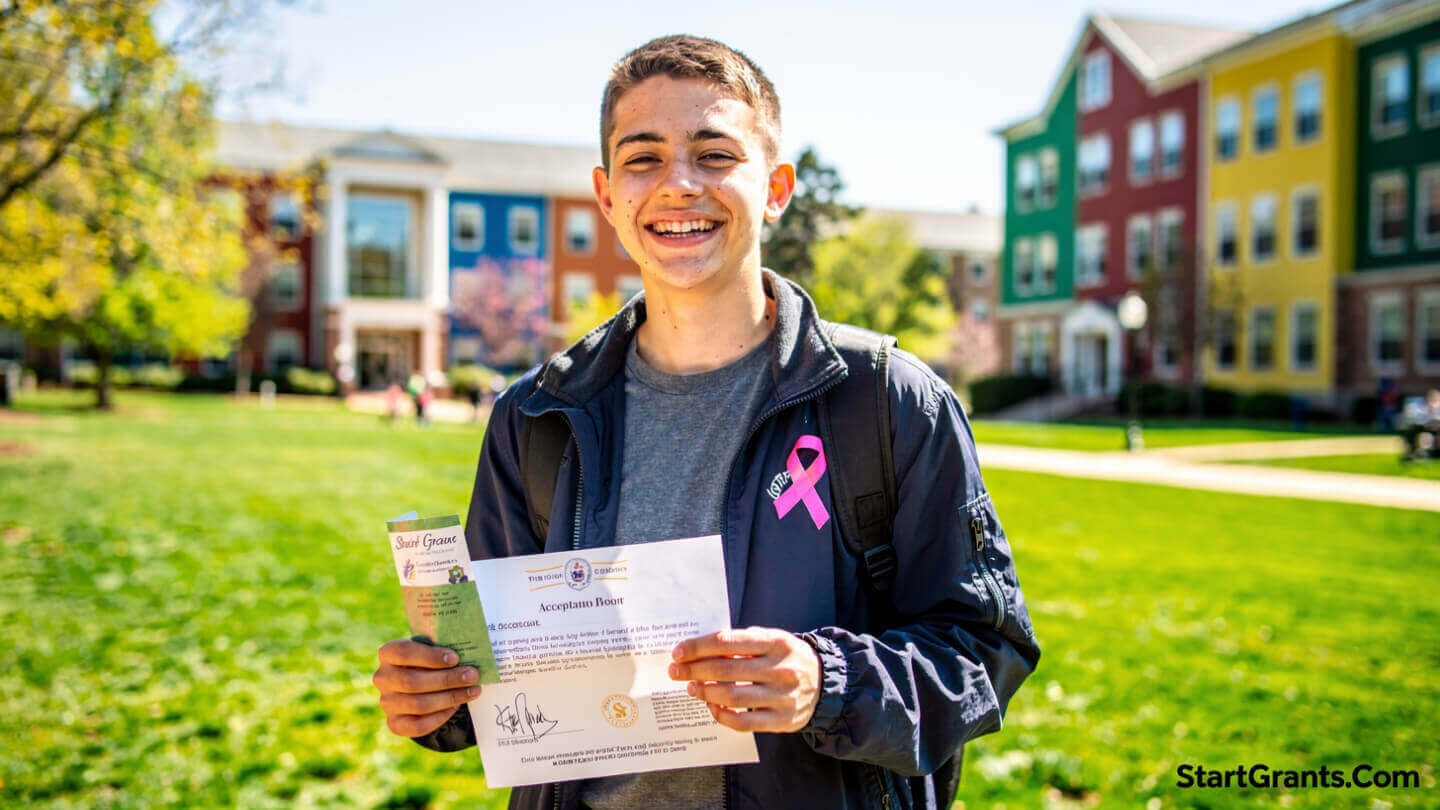
Cancer survivors have access to highly exclusive federal FAFSA appeals and massive private endowments designed to offset the financial toxicity of their medical treatments.
Phase 1: Beating the Algorithm (The FAFSA Medical Override)
Before you write a single essay for a private cancer scholarship, you must fix your federal baseline. The Free Application for Federal Student Aid (FAFSA) is a rigid algorithm, and it is entirely blind to your medical history. It only evaluates your family’s tax data from two years prior.
If your family exhausted their savings paying for oncology treatments, travel expenses to out-of-state specialist hospitals, or expensive medications, you cannot let the university assess your wealth based on an old, inaccurate tax return. To understand how to legally navigate this emergency bureaucracy, immediately review our overarching headquarters guide on college grants for life hardships and medical crises.
The Special Circumstances Medical Appeal
To fix this discrepancy, you must contact your university’s financial aid office and legally demand a Special Circumstances Review (Professional Judgment). You must submit a detailed ledger of every unreimbursed medical expense your family incurred due to your cancer battle.
By federal law, the financial aid officer has the authority to subtract those exact medical costs from your family’s Adjusted Gross Income (AGI). This legal maneuver effectively lowers your family’s income on paper, drastically dropping your Student Aid Index (SAI) and often triggering the maximum Federal Pell Grant.
The “Medical Override” Authority: Hacking the FAFSA
Did you know the initial FAFSA algorithm completely ignores your staggering oncology bills? Do not accept their automated calculation. Financial Aid Officers possess a federal legal authority known as “Professional Judgment.” You have the absolute right to demand a “Special Circumstances” medical appeal. By presenting your out-of-pocket medical, travel, and prescription expenses, the financial aid office can legally erase those costs from your family’s Adjusted Gross Income (AGI). This maneuver will plummet your Student Aid Index (SAI) and can instantly unlock the maximum Federal Pell Grant.
Navigating financial aid after a grueling medical battle can be overwhelming. Watch this incredibly valuable, official workshop hosted by Cancer for College specifically detailing how survivors should handle the FAFSA and apply for exclusive grants:
Phase 2: The National Mega-Endowments
Once your federal baseline is legally adjusted to reflect your medical financial reality, you must pivot to the private sector. The pediatric and young-adult cancer community has built massive, highly funded organizations specifically to pay for your tuition.
Cancer for College
The absolute heavyweight in this arena is Cancer for College. Founded by two-time cancer survivor Craig Pollard (and heavily championed by actor Will Ferrell), this organization provides massive need-based college scholarships and medical debt relief exclusively to cancer survivors. Since its inception, they have awarded millions of dollars. Their application window typically opens in the fall, and they look for survivors who demonstrate immense resilience and a desire to give back to the community.
The National Collegiate Cancer Foundation (NCCF)
Another massive pillar of support is the National Collegiate Cancer Foundation (NCCF). The NCCF specifically targets young adult survivors (ages 18 to 35) whose lives and higher education plans were derailed by a diagnosis. They offer highly competitive awards that can be used for tuition, textbooks, and living expenses. The foundation understands that a young adult diagnosis often means losing your personal income and independence, and their grants are designed to help you get your life and career back on track.
Phase 3: Disease-Specific Scholarships
Targeting the Mega-Endowments
When you are recovering from treatment, your energy is your most valuable asset. Do not waste it writing dozens of essays for $500 micro-scholarships. You must target the mega-endowments. Organizations like Cancer for College and the Leukemia & Lymphoma Society (LLS) manage massive financial vaults specifically designed to fund survivors. These institutions deeply understand the “financial toxicity” of a cancer diagnosis. They award highly lucrative, multi-year scholarships that can help you build a debt-free college package without ever relying on predatory student loans.
Leukemia and Lymphoma Society (LLS)
Blood cancers are among the most common diagnoses for children and young adults. To combat the severe financial disruption these lengthy treatments cause, the Leukemia & Lymphoma Society operates the massive LLS Scholarship for Blood Cancer Survivors. This program provides a highly lucrative, multi-year scholarship (often up to $7,500 per year) to cover tuition for undergraduate students who were diagnosed with blood cancer up to age 25. Because this money is renewable, it provides a stable financial baseline throughout your entire college career.
Pediatric Brain Tumor Foundation
If you survived a pediatric brain or central nervous system tumor, your path to recovery likely involved intense, long-term rehabilitation that delayed your academic progress. The Pediatric Brain Tumor Foundation (PBTF) offers specialized scholarships designed to help survivors access higher education or vocational training, regardless of when they plan to enroll.
The Disability and Hardship Overlap
It is a tragic reality that cancer diagnoses often force parents out of the workforce to act as full-time caregivers, leading to severe economic hardship. If your family’s income was devastated because a parent’s career was derailed by your diagnosis, or if they became permanently disabled during the process, you must immediately cross-reference our tactical guide on grants for students with disabled parents. You have the legal right to stack these situational safety nets to build a debt-free full-ride.

Organizations like the Leukemia & Lymphoma Society provide massive, multi-year scholarships to ensure young adult survivors can graduate college debt-free.
Phase 4: A Tactical Note on Riba (The Muslim Perspective)
For Muslim students, surviving a grueling battle with cancer only to face the crushing reality of a massive tuition bill can trigger a severe religious crisis. When a family’s savings have been drained by chemotherapy and hospital stays, university financial aid offices will swiftly package the student’s award letter with thousands of dollars in federal or private student loans.
Because these traditional loans aggressively accrue compounding interest, they are a direct and severe violation of the Islamic prohibition against Riba. You must not allow the financial aftermath of a medical trauma to force you into a predatory lending contract that compromises your faith.
Securing Halal Emergency Funding
To survive the financial toxicity of cancer without Riba, you must exhaust every legal entitlement first. You must execute the “Special Circumstances” FAFSA medical override (as detailed in Phase 1) to ensure your Pell Grant is maxed out, and you must apply for massive private endowments like Cancer for College.
If a tuition gap still remains, you must reject interest-bearing loans and aggressively seek out zero-interest community endowments designed to rescue Muslim families facing severe medical hardship. National non-profit organizations like A Continuous Charity (ACC) exist to provide 100% interest-free educational funding. For a comprehensive breakdown of handling family tragedies and worst-case scenarios, you must immediately study our tactical guide on grants for students with deceased parents.
CRITICAL WARNING: The S.A.P. Trap (Satisfactory Academic Progress)
If you are diagnosed mid-semester and forced to drop classes, withdraw, or fail due to chemotherapy exhaustion, the university’s automated system will ruthlessly revoke your financial aid. This is the SAP (Satisfactory Academic Progress) Trap, which requires students to complete 67% of their attempted credits.
Do not panic, and do not drop out in silence. A cancer diagnosis is a federally protected medical crisis. You must immediately file an “SAP Appeal” with your financial aid office. By submitting a formal letter from your oncologist detailing your treatment timeline, the financial aid committee can legally override the automated suspension and instantly reinstate your Pell Grants, state aid, and institutional scholarships.
Conclusion: Your Survivor Funding Action Plan
You have already won the hardest battle of your life. Paying for college should not be a second fight for survival. The financial aid ecosystem has millions of dollars waiting for you, provided you know how to claim it.
Execute this tactical checklist to secure your educational funding:
- Demand a FAFSA Medical Override: Do not accept your current award letter if your family paid massive out-of-pocket medical bills. Contact your financial aid office immediately to legally deduct those costs from your FAFSA.
- Target Mega-Endowments: Apply for massive, national survivor grants through organizations like Cancer for College and the National Collegiate Cancer Foundation.
- Hunt Disease-Specific Grants: If you survived a specific cancer, such as Leukemia or a pediatric brain tumor, apply for multi-year scholarships from specialized foundations (like the LLS).
- Stack Low-Income Aid: If your family is facing severe economic hardship due to the diagnosis, legally stack your FAFSA entitlements (Pell and FSEOG) with your private survivor grants.
- Protect Your Faith: If you are a Muslim student facing a sudden family financial crisis, refuse Riba-based loans and apply for zero-interest hardship funding through organizations like ACC.
You have already conquered the hardest physical battle of your life; do not let the university bureaucracy defeat your future. Gather your medical bills, demand your FAFSA recalculation this week, and force the higher education system to fund the life you fought so hard to keep.
Frequently Asked Questions (FAQs)
Q1: How do medical bills from cancer treatment affect the FAFSA?
A: The initial FAFSA application does not account for high medical bills. However, through a “Special Circumstances” or “Professional Judgment” appeal, a financial aid officer can legally subtract your family’s unreimbursed oncology, travel, and medication expenses from your Adjusted Gross Income (AGI). This lowers your Student Aid Index (SAI) and drastically increases your eligibility for the federal Pell Grant.
Q2: Are there full-ride scholarships for cancer survivors?
A: While guaranteed full-ride “super-grants” for survivors are rare, many students effectively build a full-ride package by stacking their federal Pell Grants (maximized through a medical FAFSA appeal) with massive private endowments from organizations like Cancer for College and the Leukemia & Lymphoma Society.
Q3: What is the Cancer for College scholarship?
A: Cancer for College is one of the largest national non-profits providing educational grants specifically to cancer survivors. They award massive, need-based scholarships to high-achieving survivors who demonstrate resilience and a desire to give back to their communities.
Q4: Do childhood cancer survivors get free college?
A: There is no automatic federal law granting free college strictly for surviving childhood cancer. However, survivors have access to an elite ecosystem of highly funded private scholarships (like those from the Pediatric Brain Tumor Foundation) and can easily manipulate the FAFSA through medical appeals to secure maximum federal and state grant money.
Q5: Can I get a scholarship if my parent had cancer?
A: Yes. If your family’s finances were devastated because a parent battled cancer, you are often eligible for the exact same FAFSA medical overrides as a survivor. Furthermore, many organizations offer specific “young caregiver” grants or familial support scholarships for students whose parents were diagnosed with the disease.
Q6: Are there interest-free hardship loans for Muslim college students?
A: Yes. When the financial toxicity of a cancer battle creates a massive tuition gap, Muslim students should not resort to interest-bearing student loans (Riba). Organizations like A Continuous Charity (ACC) provide 100% interest-free educational funding for American Muslim students facing financial hardship, ensuring they can graduate debt-free and within Islamic principles.
Q7: Will I lose my financial aid if cancer treatment forces me to drop classes?
A: You might, but you can fight it. Withdrawing from classes or failing due to chemotherapy can cause you to violate the federal Satisfactory Academic Progress (SAP) requirements, resulting in an automatic suspension of your financial aid. However, a cancer diagnosis is a federally protected reason for an SAP Appeal. By submitting a letter from your oncologist, your grants will be reinstated.
Q8: Does a cancer diagnosis automatically classify me as an “independent student” on the FAFSA?
A: No. A medical diagnosis, regardless of its severity, does not automatically change your federal dependency status. If you are under 24, unmarried, and have no dependents, you must still provide your parents’ financial information on the FAFSA. This is exactly why utilizing the “Special Circumstances” medical override is absolutely critical to accurately lower your Student Aid Index.
Important Disclaimer: StartGrants.com is an independent information portal. We are not a government agency and do not provide direct grants or products. Always verify the current status of programs with the providing organization.