
Last Updated: | Author: Munir Ardi
For free groceries for low-income families, start with a nearby food pantry if you need food today, then apply for SNAP and any other benefits your household may qualify for. Call 211 for local referrals and confirm pickup hours before traveling. If you also need somewhere safe to stay, our guide to emergency housing and shelter options explains where to start.
Food assistance can reduce pressure on your budget, but it may not cover every grocery expense. SNAP and WIC are nutrition benefits, while pantries and meal sites provide food directly. They are not personal cash grants for rent or unrestricted spending. You can ask about several programs while each provider checks its own eligibility rules.
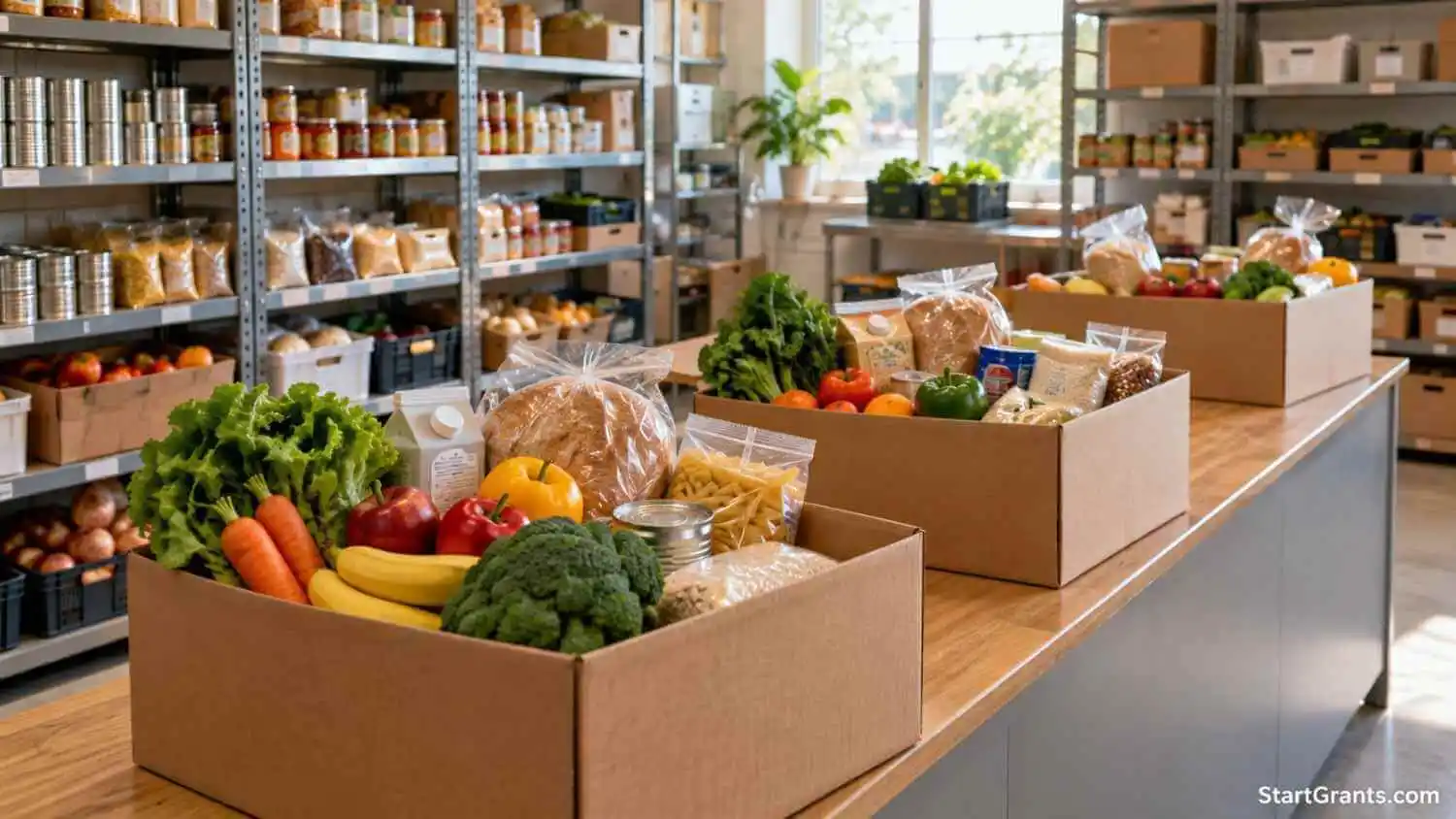
Need Food Today? Start With Local Pickup or a Meal Site
Do not wait for a benefit application to be approved before seeking emergency food. USAGov’s emergency food guidance lists 211, community organizations, and the National Hunger Hotline as starting points.
- Call 211: Give your current city or ZIP code and ask for food pantries or prepared meals available today.
- Call the National Hunger Hotline: Dial 1-866-348-6479 for English or 1-877-842-6273 for Spanish, Monday through Friday, 8 a.m. to 8 p.m. Eastern Time.
- Confirm with the provider: Ask whether you need an appointment, referral, identification, or proof of residence and what alternatives it accepts if documents are missing.
Tell staff how many people need food, children’s ages, and whether you have transportation, a refrigerator, or a way to cook. A directory listing does not guarantee that a site is open or has supplies remaining.
Choose the Food Assistance That Fits Your Household
| Option | What it provides | What to check |
|---|---|---|
| Food pantry or mobile distribution | Groceries or food boxes | Hours, location, intake rules, and food you can store and prepare |
| Community meal site | Prepared meals | Serving times, eligibility, and dine-in or takeout arrangements |
| SNAP | EBT benefits for eligible food purchases | State application, household eligibility, and expedited screening |
| WIC | Specific supplemental foods and nutrition services | Pregnancy or postpartum status, child’s age, income, and nutrition assessment |
| School and summer food programs | Meals or seasonal grocery benefits, depending on the program | School participation, eligibility, enrollment, and operating dates |
Local supplies, schedules, and program rules change. Confirm current details directly with the provider; no option guarantees a full household grocery budget or same-day enrollment.
Food Pantries, Food Banks, and Mobile Distributions
Use the Feeding America food bank locator to find local contacts. A food bank generally stores and distributes food to partner organizations. A food pantry is usually where households receive groceries. Check the actual pickup location rather than going directly to a warehouse.
Some pantries let you choose items; others provide a prepared box. Ask about service-area limits, appointments, visit frequency, and whether someone can collect food for you. If you lack identification or proof of address, describe your situation and ask what alternatives are accepted. Do not assume every pantry requires the same paperwork or accepts walk-ins.
Mobile pantries distribute food at scheduled locations. They may provide produce, refrigerated items, or shelf-stable groceries; a mobile distribution is not necessarily a ready-to-eat meal service. Confirm the next date, whether registration is required, and whether the pickup is accessible without a car.
Ask whether the site distributes USDA foods through The Emergency Food Assistance Program (TEFAP). This is a food-distribution route, not a cash grant. Your local provider or state agency can explain applicable eligibility and intake requirements.
SNAP: Apply for Ongoing Grocery Benefits
SNAP helps eligible households buy food through an Electronic Benefit Transfer card. Apply in the state where you currently live using the state contacts linked from USAGov’s SNAP application guide. There is no single national application that approves benefits for everyone.
Eligibility depends on household circumstances, including income and other applicable rules. Employment does not automatically make you ineligible. Be ready to provide the information your state requests about household members, income, expenses, and identity, and complete any required interview.
Check current rules: USDA’s SNAP eligibility page identifies the current annual limits and warns that work requirements and noncitizen eligibility changed under the 2025 law. Ask your state to assess current rules and any applicable exceptions rather than relying on an older eligibility chart.
Ask About Expedited SNAP When Food Is Running Out
Regular applications are generally processed within 30 days. Eligible households entitled to expedited service must have access to benefits within seven days of applying. This is not a promise that everyone who requests urgent help qualifies.
Under the federal expedited-service guidance, relevant screening situations include:
- Monthly gross household income below $150 and liquid resources of $100 or less.
- Combined monthly gross income and liquid resources below the household’s monthly rent or mortgage and utilities.
- Certain destitute migrant or seasonal farmworker households, subject to the applicable special rules.
A bank balance below $100 alone is not the complete test. Ask the state office to screen your application for expedited service. Explain your actual income, cash, bank balances, and housing expenses accurately. Ask how to complete verification and receive or activate your EBT card. Seek pantry food while the application is being processed.
Know What SNAP Can Buy
SNAP generally covers eligible groceries such as produce, meat, dairy, bread, and cereals at authorized retailers. It generally does not cover hot food at the point of sale, alcohol, tobacco, vitamins, cleaning products, or other nonfood purchases. See USDA’s eligible-food guidance.
Some states have additional purchase restrictions. Effective dates and legal status differ, so check your state’s current notices and USDA’s food-restriction waiver updates before assuming an item is covered. EBT acceptance also depends on the retailer; a card is not usable at every store.
WIC: Food Support During Pregnancy and Early Childhood
WIC serves eligible pregnant people, breastfeeding participants through the baby’s first birthday, postpartum participants up to six months after a pregnancy ends, infants, and children younger than five. Income, residency, and nutritional-risk requirements also apply. Start with USAGov’s WIC eligibility and application guide and contact your local WIC agency.
WIC provides a prescribed food package rather than unrestricted grocery money. Depending on the participant’s needs and category, benefits may include approved produce, milk, eggs, whole grains, infant foods, or formula. The allowed products, sizes, substitutions, and quantities come from your state’s food list and your assigned package. WIC also offers nutrition education, breastfeeding support, and referrals, as explained in USDA’s WIC questions and answers.
Tell the WIC office if your household receives SNAP, Medicaid, or TANF; this may establish income eligibility, while other WIC requirements still apply. Ask about both programs rather than assuming a SNAP application also enrolls you in WIC. If you are running out of infant formula, contact WIC and your child’s healthcare provider promptly for appropriate next steps.
If You Have No Kitchen, Refrigerator, or Permanent Address
Ask for prepared meals or foods you can eat without cooking. Describe your storage limits before accepting a box. Single-serving shelf-stable foods, pull-tab containers, and utensils may be more useful than frozen meat or dry ingredients that require cooking. Tell staff about allergies and dietary restrictions; suitable substitutions depend on what is available.
Ask 211 or the local food bank for community meal sites, soup kitchens, and any available delivery or authorized pickup options. Confirm serving times and whether meals must be eaten on site. Do not assume meals are offered every day or that delivery is available.
You can apply for SNAP without a permanent address. USDA’s guidance on access for people experiencing homelessness explains address and identity-verification flexibility. Ask your state office about receiving notices or a card through a shelter, authorized representative, or local office. Other eligibility requirements still apply.
The SNAP Restaurant Meals Program is available only in participating states for qualifying households and approved restaurants. Homelessness may be a qualifying category, but it does not make every restaurant eligible or automatically activate this option on your card.
School Meals and Seasonal Help for Children
Ask your child’s school nutrition office about free or reduced-price breakfast and lunch, any schoolwide free-meal program, and how to apply after a change in income. Also ask about weekend food bags or a school pantry where available. USAGov’s school meal guide explains the main application routes.
During summer, open meal sites generally serve children and teens age 18 and younger without a household income application. Site types, dates, and meal arrangements vary. SUN Bucks provides separate summer grocery benefits for eligible children in participating jurisdictions. Check local participation and deadlines; summer programs are not a year-round source of meals.
If your family is staying in a motel, shelter, vehicle, or temporarily with others because of housing loss, tell the school’s homeless education liaison. For the broader housing and school-support steps, see our guide to help for families with children experiencing homelessness.
Protect Your Budget, Benefits, and Personal Information
Do not assume food assistance will immediately free up a fixed amount for rent. Keep necessary food and medical needs in your budget while requesting help with overdue bills. If you have received a notice, our guide to rent assistance and next steps before eviction addresses that separate problem.
SNAP and WIC are public benefits, not loans. However, that does not mean an incorrect payment can never be recovered. For example, Washington’s SNAP overpayment guidance covers repayment claims involving agency or household errors. Follow your program’s reporting rules and ask about review or appeal options if you receive a notice you do not understand.
Use your state’s official benefits portal and the provider’s verified contact details. Do not give your EBT PIN to someone promising to unlock free groceries. Before paying for any grocery subscription or membership, check the total cost, actual contents, delivery area, renewal terms, and cancellation policy. A paid discount club is different from food assistance.
If you are concerned about immigration eligibility or what information an application requires, ask the relevant program or qualified legal aid for guidance. Pantry intake and federal benefit eligibility are different processes. Do not assume every organization has the same documentation or privacy policy.
A Muslim Perspective
Muslim households can ask providers about halal meat, vegetarian options, ingredients, and preparation practices. ICNA Relief’s pantry locator offers a direct way to find its local food services. Call ahead about halal options, quantities, opening hours, and eligibility; a directory listing does not guarantee a particular item.
A pantry’s religious affiliation does not tell you the ingredients of every food it distributes. Check labels and ask about unfamiliar products. For religious questions about accepting or using a specific donation, consult a qualified scholar rather than assuming every item or arrangement has the same ruling.
If you are concerned about riba, explore available food benefits, sadaqah, and local charitable support before taking on expensive debt. Ask a mosque or charity how it assesses zakat eligibility; financial difficulty alone does not establish eligibility in every case. An interest-free loan, or qard hasan, still requires a clear repayment agreement. Public food benefits should not be described as having one universal religious classification.
Frequently Asked Questions
Where can I get free groceries today?
Call 211 and contact a nearby food pantry or community food organization. Confirm hours, pickup requirements, and current availability before traveling. If you cannot cook or refrigerate food, ask specifically for prepared meals or shelf-stable items.
How quickly can I receive SNAP benefits?
Regular applications are generally processed within 30 days. Eligible households entitled to expedited service must have access to benefits within seven days of applying. Ask your state office to screen your circumstances and explain how to receive or activate your EBT card.
Can I visit a food pantry if I am not a U.S. citizen?
Contact the pantry and ask about its intake requirements. Community food assistance and SNAP have different eligibility rules. Do not assume that SNAP ineligibility rules you out of local food help or that every pantry requests the same documents.
What can I buy with WIC benefits?
You can obtain the approved foods assigned to your WIC package. Products, quantities, sizes, and substitutions depend on your category and state food list. Check your benefit balance and approved list before shopping.
Can I apply for SNAP without a permanent address?
Yes. A permanent address is not required. Ask the state SNAP office about acceptable identity verification and arrangements for receiving mail and your EBT card. You must still meet the other applicable eligibility requirements.
Can a Muslim family request food from a non-Muslim pantry?
You can contact any local pantry to ask about available food and intake rules. Check ingredients and request suitable alternatives when needed. Consult a qualified scholar about any specific religious concern rather than judging the food solely by the provider's affiliation.