
Last Updated: | Author: Munir Ardi
If a gang-related or unwanted visible tattoo creates a safety concern or makes a fresh start harder, a community tattoo-removal program may help. Programs differ by location: some are free, some charge a reduced fee, and some serve only people referred through a reentry or survivor-support organization. A grant to an individual is not normally the application route.
This page focuses on finding tattoo-removal services, checking eligibility, and preparing for treatment. For other kinds of healthcare bills, see our broader Medical Bills and Prescription Assistance guide.
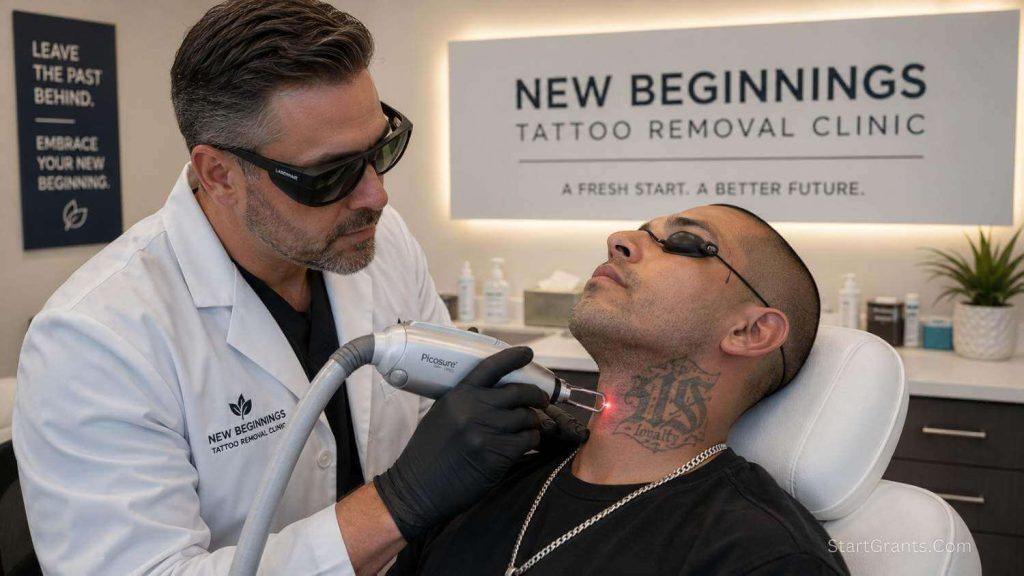
Ask each provider which tattoos qualify, whether there is a fee, and how to schedule a consultation.
Where to Find Free or Low-Cost Tattoo Removal
| Route | What it offers | First action |
|---|---|---|
| Homeboy Industries | Free removal for eligible participants and members of the Los Angeles community | Read the current eligibility and appointment instructions |
| Jails to Jobs directory | Listings of free and reduced-cost programs in multiple locations | Search by ZIP code, then verify directly with each provider |
| Local reentry or survivor organization | Possible referral or partnership with a clinic | Ask a case manager about currently available services |
| Clinic or dermatology practice | Possible charity day, donated treatment, or discounted rate | Request written terms and a clinical consultation |
Homeboy Industries in Los Angeles
Homeboy Industries says its tattoo-removal service is free for its trainees, members of the Los Angeles community, and minors with gang-related or visible tattoos on the hands, neck, or face. Its current page says appointments are being accepted and lists how to contact the team. Demand is high, so contact the organization for current screening, availability, and wait times before traveling.
Search the Jails to Jobs Directory
The nonprofit Jails to Jobs tattoo-removal directory maps free and low-cost programs. Enter your city or ZIP code, widen the radius if necessary, and contact a listed provider to confirm it still operates. The directory explicitly says some programs charge, requirements vary, and its listings are incomplete.
Ask Local Reentry and Survivor Services
A case manager, community violence-intervention group, public defender’s reentry office, youth organization, or trafficking survivor advocate may know a local referral program. Ask whether the service covers gang-related tattoos, trafficking marks, or other visible tattoos; whether proof of referral is required; and whether treatment is free. These are possible local pathways, not a guaranteed nationwide benefit.
How to Check a Program Before Applying
- Confirm service area and eligibility. Ask which tattoo locations, designs, ages, and referral categories the provider accepts.
- Ask about the total cost. Verify whether the consultation and all sessions are free, whether supplies have a fee, and what happens if additional sessions are needed.
- Ask what documents are needed. A provider may request identification, a referral, proof of residence, or a guardian’s consent for a minor. Do not send sensitive records through an unverified form.
- Discuss medical safety. Tell the clinician about relevant medical history and ask who performs the treatment, the type of device used, possible adverse effects, and aftercare.
- Plan for follow-up. Several appointments may be required; complete removal cannot be promised.
Some local programs ask for participation in counseling, education, or community service; others do not. There is no universal requirement of community-service hours, a clean arrest record for six months, or enrollment in a particular reentry program. Obtain the actual provider’s written rules.
Does Insurance or a Federal Grant Pay?
Do not assume Medicare, Medicaid, or private insurance will cover elective tattoo removal. Coverage depends on the plan, state rules, procedure, and clinical circumstances. Ask for a written coverage determination if a clinician believes there is a medical reason for treatment. A community charity program can be relevant even when insurance does not pay.
The federal Second Chance Act funds reentry initiatives through eligible organizations and governments. Its existence does not establish a national individual tattoo-removal grant. Ask local reentry providers about services they actually operate rather than applying to a federal grant portal as a patient.
If a separate hospital encounter produces a bill, our Hospital Bill Financial Assistance guide explains how to ask that provider about its financial assistance policy. A hospital charity-care application does not automatically pay for an elective tattoo-removal clinic.
What to Expect From Laser Removal
The FDA’s tattoo-removal guidance explains that removal can take multiple treatments and that results vary with the tattoo and treatment method. The American Academy of Dermatology also describes possible side effects and the importance of consultation with an appropriately trained professional. Ask about scarring, pigment changes, pain management, and aftercare, particularly for tattoos on the face, neck, or hands.
Do not attempt to remove a tattoo with acids, burning, or unverified home products. If you need a discreet referral because a tattoo creates a safety risk, tell the case manager or clinic before sharing photos publicly.
A Muslim Perspective
People seeking to leave a difficult past deserve dignity and practical help. A Muslim with an old tattoo may wish to discuss repentance and removal with a qualified scholar without assuming that removal is medically safe, affordable, or religiously required in every circumstance.
If treatment is not available through a free program, read any financing agreement carefully, including interest, fees, and deferred-interest conditions. Ask a local mosque or charity about its assistance policy and whether an interest-free community loan or donated service is available. Decisions about zakat eligibility depend on the person’s circumstances and the charity’s religious guidance; this article cannot make that determination.
Tayba Foundation describes reentry support for people affected by incarceration, including connections to services such as housing and job training. It does not advertise a tattoo-removal grant on that page; contact it for its actual services rather than treating it as a guaranteed treatment fund.
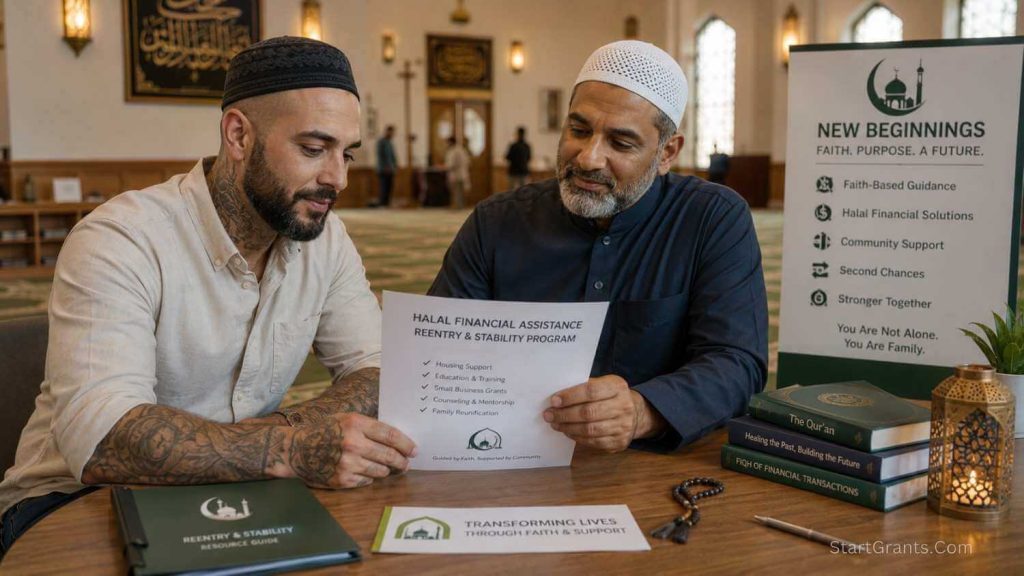
Community support can help someone explore safe and affordable removal without presuming eligibility for any particular fund.
Frequently Asked Questions
Where can I find free gang tattoo removal?
Check Homeboy Industries if you are eligible in the Los Angeles area, search the Jails to Jobs directory by location, and ask local reentry or survivor-support organizations about referrals. Confirm each provider’s current rules and capacity.
Does Homeboy Industries charge for tattoo removal?
Its official page describes free tattoo removal for eligible trainees, Los Angeles community members, and certain minors with gang-related or visible tattoos. Contact Homeboy Industries about appointments and current screening.
Is the Jails to Jobs directory a list of free clinics?
It includes both free and low-cost programs. The list is incomplete, programs can change, and some providers have additional requirements. Contact a provider before relying on a listing.
Must I complete community service to qualify?
There is no universal requirement. Some local programs may request participation in other services, while others do not. Ask the specific provider for its current rules.
Can a formerly incarcerated person apply?
Possibly. Eligibility is determined by the local provider and may depend on tattoo type, location, age, residence, referral, and available appointments. A criminal record is not an automatic nationwide qualification or disqualification.
Will insurance cover tattoo removal?
Elective tattoo removal may be excluded. Coverage depends on the plan and clinical circumstances. Ask your insurer for a written determination if a clinician documents a medical reason.
Can I apply directly for a Second Chance Act tattoo-removal grant?
The Second Chance Act is not a national individual tattoo-removal benefit. Ask local reentry organizations what services they currently provide and how participants are referred.
How many laser sessions will I need?
There is no reliable universal number. Tattoo size, color, ink, location, skin characteristics, and treatment response affect the number of sessions and results. Discuss a realistic plan with the treating clinician.
Does Tayba Foundation pay for tattoo removal?
Its reentry page describes support and referrals but does not advertise a tattoo-removal grant. Ask the organization directly about services currently available to you.
Disclaimer: StartGrants.com is an independent information portal, not a tattoo-removal provider, grant administrator, healthcare provider, insurer, legal adviser, or religious authority. Services, appointment capacity, coverage, and eligibility may change. Check directly with each organization and consult a qualified clinician about treatment risks.